
Text Neck Syndrome: Due to bending over and looking at the mobile screen for a long time, there is constant pressure on the neck, due to which such a problem is increasing rapidly.
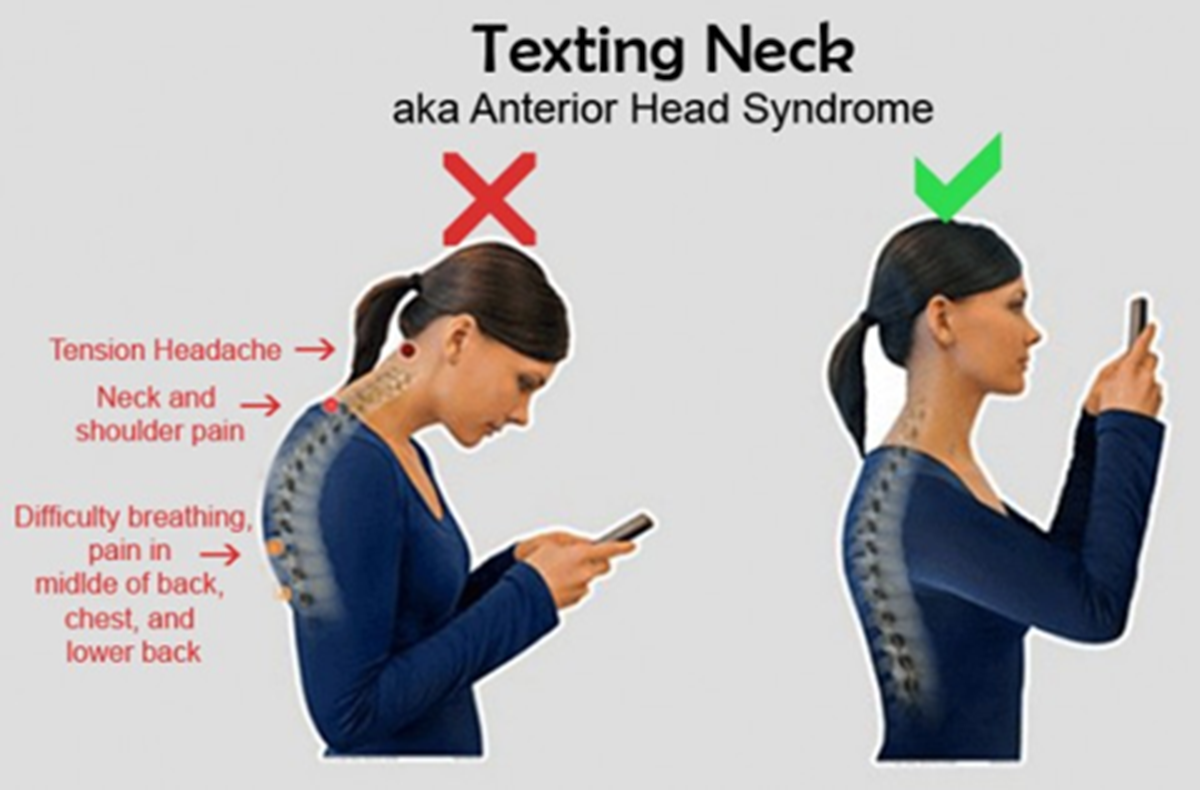
Neck pain from mobile use
Text Neck Syndrome: Nowadays, there's hardly anyone who doesn't have a mobile phone in their hand throughout the day. Checking your phone as soon as you wake up, browsing social media for hours, working online, watching videos, and chatting have become a daily routine. These habits are gradually taking a toll on our health.
Hunching over to look at a mobile screen for long periods of time puts constant strain on the neck, leading to a rapidly increasing problem called text neck syndrome. Experts consider it a digital age problem that can prematurely weaken the neck and spine. So, let's explore how mobile addiction is aging the neck, what text neck syndrome is, and its symptoms.
What is text neck syndrome?
Text neck syndrome is a neck and cervical spine condition caused by prolonged head tilting to view a mobile phone, tablet, or laptop screen. This persistent poor posture puts excessive pressure on the neck muscles, spine, and shoulders. Normally, a human head weighs approximately 10 to 12 pounds, but as the head tilts forward, the pressure on the neck increases rapidly. Tilting just 15 degrees can increase this pressure to approximately 27 pounds, while tilting the head to 60 degrees can cause the neck to feel a weight of up to 60 pounds. If this condition persists for a long time, it can impact the body structure and spine.
How is mobile addiction making the neck old?
Due to the habit of constantly looking at mobile phones, people sit with their necks bent for hours. This puts the neck muscles under constant strain and gradually weakens them. Over time, this pressure can also affect the normal condition of the spine. For this reason, many experts consider it a problem of digital aging or premature aging of the neck.
What are the symptoms of text neck syndrome?
A person with text neck syndrome may experience a variety of symptoms, including persistent neck pain and stiffness, shoulder pain or stiffness, upper back pain, headaches, difficulty moving the neck, muscle strains or cramps, numbness in the hands and fingers, and changes in body posture, such as hunched shoulders or a protruding neck. If these symptoms are ignored for a long time, the problem can become more serious.
Why does text neck syndrome occur?
According to experts, the main reason for this is the modern lifestyle. Prolonged use of mobile phones or tablets, working on laptops for hours in an inappropriate posture, staring at a screen without breaks, and sitting in the same position for long periods of time are considered the main causes of this problem. Poor ergonomics, or improper seating, also puts additional strain on the neck.
What to do to avoid text neck syndrome?
To avoid this problem, it's important to limit your mobile phone use. When using a mobile phone or tablet, try to keep the screen at eye level. When sitting, keep your spine straight and your shoulders back. Take a break for a few seconds every 20 minutes. Light exercises and stretching to strengthen your neck and upper back muscles can also be beneficial.