LIFESTYLE
Sweater Lint Removal: Lint has appeared on the sweater kept in the cupboard; remove it with this trick.
Lint Removal Tips: A lint brush or roller is usually used to remove lint from clothing. However, if you don't have either of these items at home, you can still do the trick.
How to remove lint from a sweater
How to Remove Fuzz From Clothes: A mild chill has begun to set in the evenings and mornings across North India. As such, sweaters and warm clothes that have been stored in the closet for a long time are once again being brought out. But sometimes, before wearing them, a problem arises: tiny hairs and fabric fibers cling to the sweaters. Especially if you see these hairs on your favorite sweater, you don't feel like wearing it.
A lint brush or roller is typically used to remove this lint from clothing. However, if you don't have either of these items at home, you can still do the trick. Laundry and cleaning experts have shared some easy ways to remove lint and lint from sweaters and other clothing.
A fabric shaver will come in handy.
If your sweater has excessive lint or pilling, a fabric shaver can be useful. This is an electronic device used to remove lint, lint, and fuzz from clothing. It can be used on a variety of fabrics, including cotton, wool, and polyester.
It should be gently rubbed in circular motions over the fabric. However, before using it on delicate fabrics, test it on a small area to ensure it won't damage the fabric.
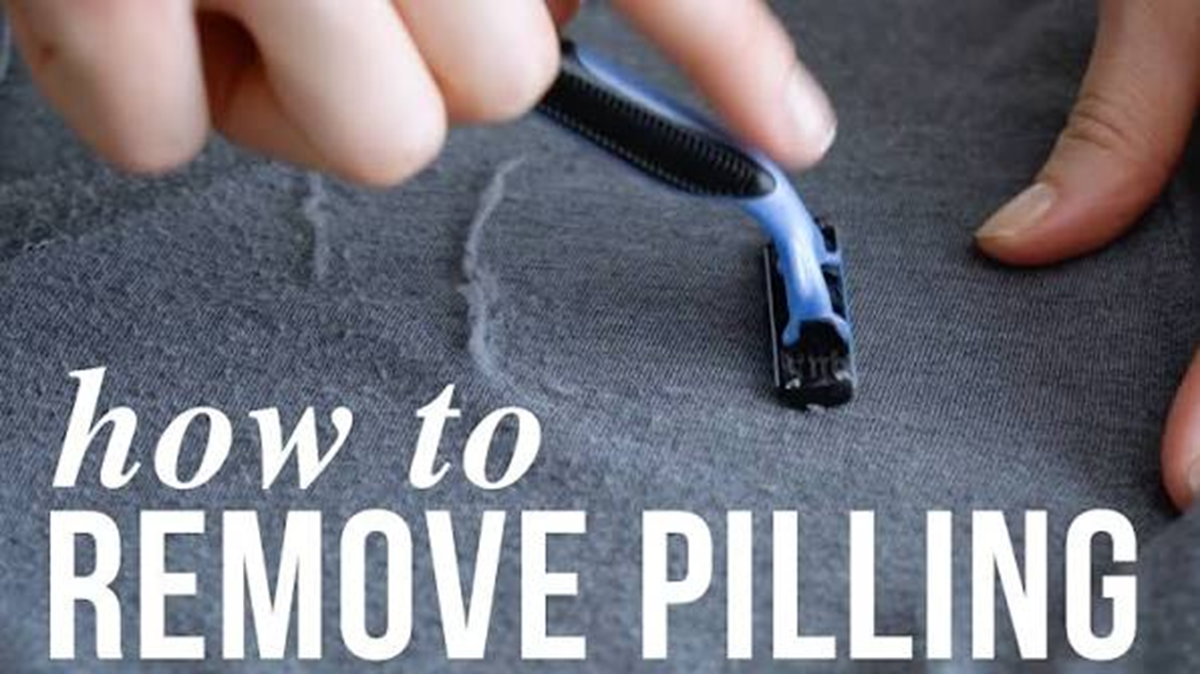
Hair can also be removed with a razor.
If you don't have a fabric shaver at home, a regular razor can also work. Just like you would for shaving, you can carefully move it over the fabric surface. However, avoid applying too much pressure or repeatedly stroking the razor. It should not be used on delicate fabrics.
Clean your sweater with duct tape.
Duct tape or wide packing tape can also be used to remove lint. Wrap the tape around your hand with the sticky side facing out. Now, gently apply it to the areas of the fabric where the lint is stuck. Use clean tape each time to prevent the removed lint from sticking back to the fabric. For better results, you can also place the tape in the freezer for a while before using it. The cold tape may help it capture the lint more effectively.
White vinegar can also help.
Using white vinegar while washing clothes can also help reduce lint. It's recommended to add half a cup of distilled white vinegar to the fabric softener dispenser during the washing machine's rinse cycle.
It acts as a natural fabric softener and can help remove lint from clothes. This method is especially useful for lint-prone garments like towels and sweaters.
Don't dry your sweater in the dryer every time
The method of drying clothes can also affect lint and static. When possible, hang clothes to dry. If using a dryer, remove clothes just before they are completely dry and allow them to air dry. The friction caused by washing, drying, and wearing clothes separates tiny fibers from the fabric. These fibers later appear as lint and fluff. Hang drying can help reduce static buildup, which can also reduce the problem of lint sticking to clothes.
Remove lint with a wet sponge.
To do this, lightly dampen a clean sponge and wring it out well. Gently move the soft side of the sponge over the surface of the fabric. Avoid wetting the fabric too much. Moving the sponge in one direction will yield better results. Avoid using the rough side of the sponge on delicate fabrics.
Use anti-static spray
Static electricity in clothing can also cause fibers to stick together. In such cases, an anti-static spray can be used. Applying it to clothing can help reduce lint adhesion and static cling. However, always use the spray according to the package instructions and avoid overspraying, as this can leave residue on the fabric.
Also try dryer sheets and rubber gloves.
Dryer sheets can be rubbed on clothes in the same way as a lint roller. Moving them in one direction can help remove lint from the fabric. This is especially useful for fabrics like polyester and synthetics.