NEWS
Supreme Court to Centre: Don’t Demoralise Women Military Officers, Stay Their Release Amid Permanent Commission Dispute
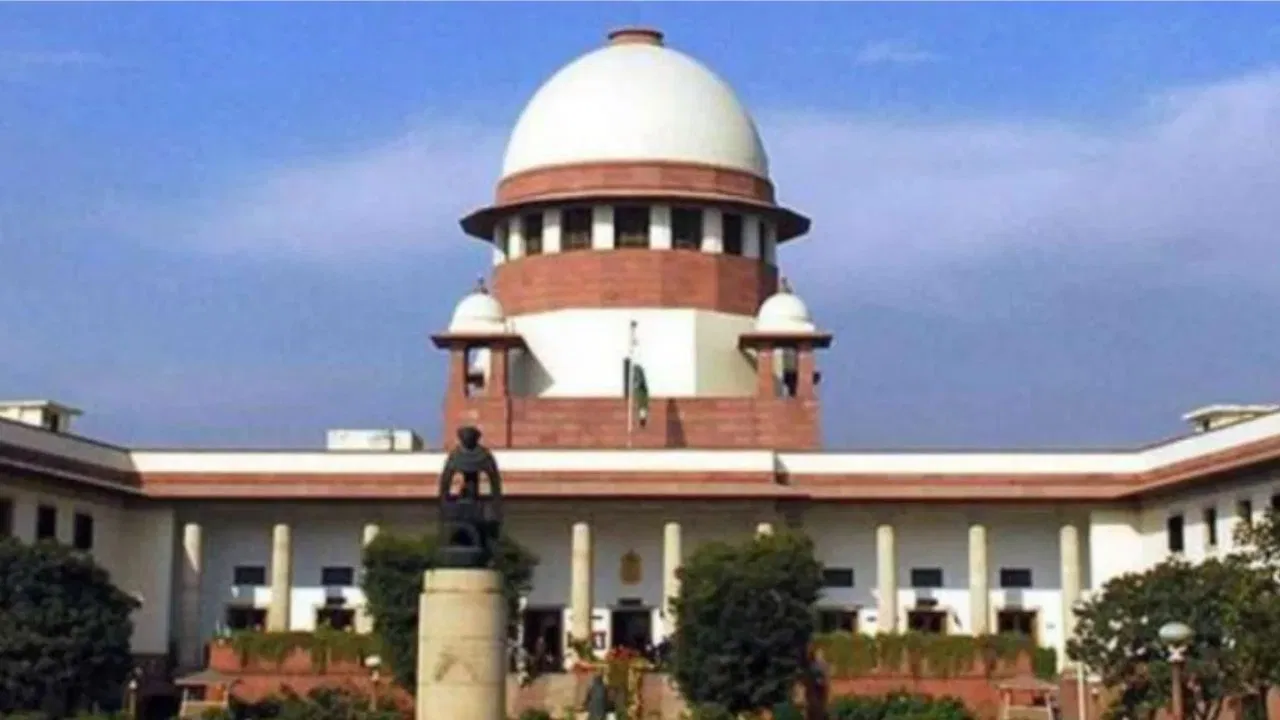
The Supreme Court on Friday directed the Centre not to release Short Service Commission (SSC) women military officers who have challenged the denial of Permanent Commission (PC), stressing that they must not be demoralized during this crucial time.
A bench comprising Justice Suryakant and Justice N. Kotishwar Singh heard the petitions filed by 69 women officers and listed the matter for hearing in August, instructing the Centre to refrain from releasing them from service until the next hearing.
“Don’t Demoralise Them in This Situation”: Supreme Court
Justice Suryakant emphasized during the hearing:
“In the current situation, we must not demoralize these brilliant officers. Their services can be utilized in other ways. This is not the time to ask them to run around the Supreme Court; they deserve a better place to live and serve the country.”
Centre Defends Decision, Cites Youth Policy
Additional Solicitor General Aishwarya Bhati, appearing for the Union government, argued that the move was an administrative decision aimed at keeping the armed forces young. She stated that only 250 officers are granted permanent commission each year, and urged the Court not to stay the release orders.
Officers Like Col. Sofia Qureshi Cited as Role Models
Senior advocate Menaka Guruswamy, representing Colonel Geeta Sharma, referred to the recent example of Colonel Sofia Qureshi, one of the women officers who briefed the media during Operation Sindoor on May 7–8. Guruswamy noted that Col. Qureshi had also approached the apex court for PC relief and has since brought pride to the nation.
However, the bench clarified that:
“The case before us is purely legal and does not concern the personal achievements of the officers involved.”
Background
The issue of granting Permanent Commission to women officers has long been a contentious one. The Supreme Court had earlier directed the Indian Army to ensure gender equality in command roles and career progression. However, many women officers continue to face challenges in receiving PC, leading to continued legal battles.