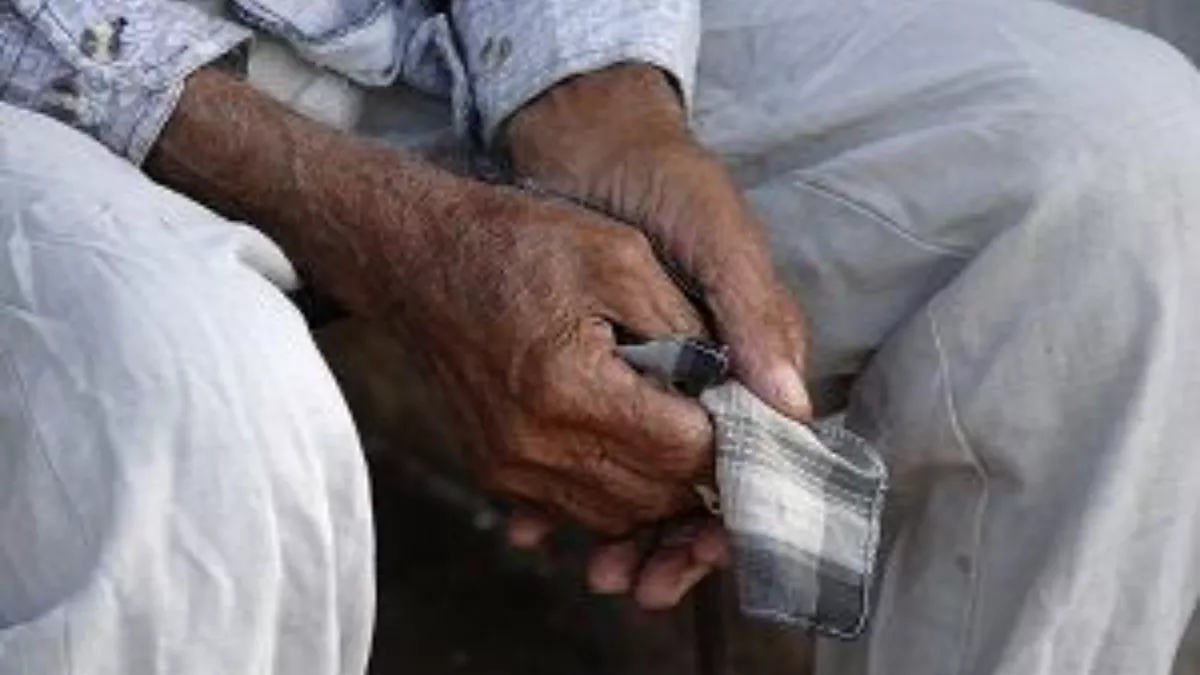
The Supreme Court of India has issued notices to the Centre and 18 state governments, including Uttar Pradesh and Bihar, seeking their response on the issue of granting bail to seriously ill and elderly prisoners.
This action follows a petition filed by the National Legal Services Authority (NALSA), which emphasized the need to release prisoners over 70 years of age or those with severe health conditions, especially when many of them have been denied relief by lower courts and lack the means to approach the apex court.
🧓🏻 Petition Focus: The Plight of Sick and Elderly Behind Bars
- Key Concern: Overcrowded jails are unable to provide proper medical care for inmates with severe illnesses or disabilities.
- Petition Claim: Many such prisoners have pending bail applications in district and high courts but continue to languish in jail due to delays and lack of legal aid.
- Special Mention: Those who are physically disabled or suffering from chronic conditions face even harsher conditions behind bars.
📜 States Named in the Petition
The Supreme Court has asked for responses from these 18 states:
- Uttar Pradesh
- Bihar
- Haryana
- Punjab
- Himachal Pradesh
- Jharkhand
- Madhya Pradesh
- Chhattisgarh
- Rajasthan
- Odisha
- Maharashtra
- Telangana
(and others as per the court's notice)
⚖️ About NALSA
The National Legal Services Authority (NALSA), established under the Legal Services Authorities Act, 1987, works to ensure access to justice for the weaker sections of society. It conducts legal awareness campaigns and organizes Lok Adalats for dispute resolution.
In this case, NALSA has taken up the cause of vulnerable prisoners, arguing that their continued incarceration without timely relief amounts to a denial of their fundamental rights.
👨⚖️ What’s Next?
A bench of Justice Vikram Nath and Justice Sandeep Mehta is overseeing the case. The states have been directed to submit their responses regarding the status and treatment of elderly and ill prisoners, and how they intend to implement the recommendations made by NALSA.