LIFESTYLE
Summer Fever Causes: Are you also getting a fever this summer? Ignoring it could be fatal!
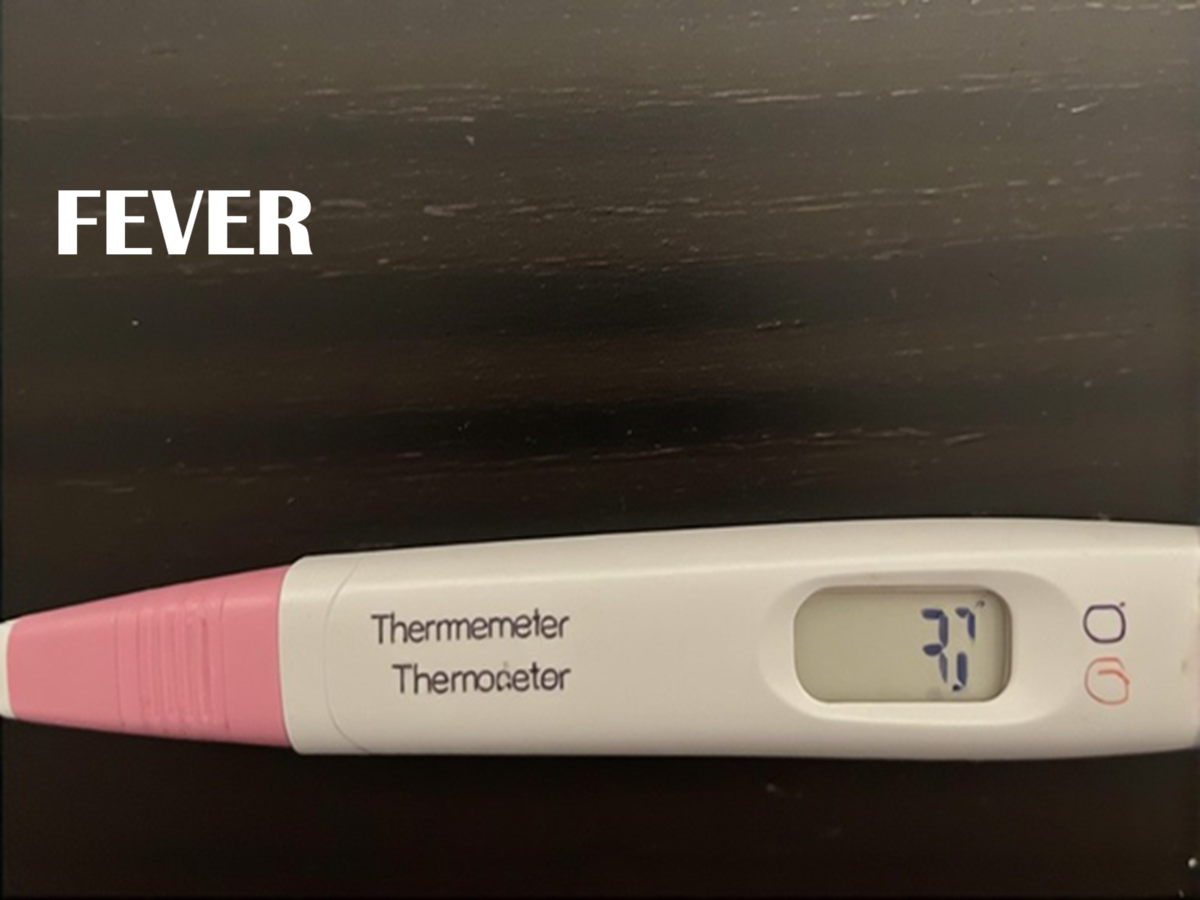
Seasonal Infectious Diseases: Summer brings many cases that are mistaken for viral infections, but they may be hiding something more serious. This is where the real concern begins.
How to differentiate between viral fever and malaria?
How to Identify Malaria Symptoms Early: Summer fevers are often dismissed as a common viral infection. The same pattern is seen every year in homes and clinics: fever, body aches, and fatigue, and then dismissed as mild. This is true in most cases, but not always. Let's find out what doctors have to say about this.
What do experts say?
Dr. Sandeep Reddy Koppula told TOI that many cases in the summer are mistaken for viral infections, when they may be hidden behind something more serious. This is where the real concern begins. Because when infections like malaria are mistaken for a simple fever, treatment is delayed and the condition can gradually worsen. A normal fever usually resolves within three to four days with rest, fluids, and basic care, but not every fever does.
What should you pay attention to?
He explains that some fevers last longer, some are intermittent, and some are accompanied by severe chills. These are not normal changes, but rather signs. According to the Indian government's Center for Vector-Borne Disease Control, malaria symptoms may be mild initially, but if not treated promptly, they can become severe. People often associate fever with just body temperature, while the body provides other signals as well. A sudden chill, followed by a high fever, and then sweating is a typical sequence. Dr. Sandeep explains that chills and sweating are not just a part of a fever, but can be an important sign.
Fatigue is also an important sign
Fatigue is also a key indicator. There's a difference between normal fatigue and this type of weakness. Sometimes it's so severe that even simple tasks seem difficult. According to the World Health Organization, malaria affects the body's red blood cells, impacting energy levels and increasing fatigue. Many people wait, hoping the fever will subside on its own in two or three days. This may be effective in mild cases, but if the fever persists longer than that, testing becomes necessary. Infections like malaria can be detected early with a simple blood test.
How do these diseases spread?
During the summer and rainy seasons , many infections like malaria, dengue, and typhoid spread simultaneously. The initial symptoms are often similar: mild fever, headache, and body aches. This similarity creates confusion, making it easy to assume every fever is viral, but this can be risky. To prevent this, it's important to pay attention to the fever's behavior, not just the temperature. If the fever persists for more than two or three days, a pattern of chills and sweating is observed, or unusual fatigue occurs, one should get tested immediately. Additionally, avoid waterlogging, adopt mosquito repellent measures, and maintain good hygiene.