LIFESTYLE
Stroke Symptoms: If you notice these symptoms early in the morning, understand that a stroke is coming!
Early Stroke Warning Signs: A stroke is a medical emergency that occurs when blood flow to the brain suddenly stops. Let us explain what its symptoms look like.
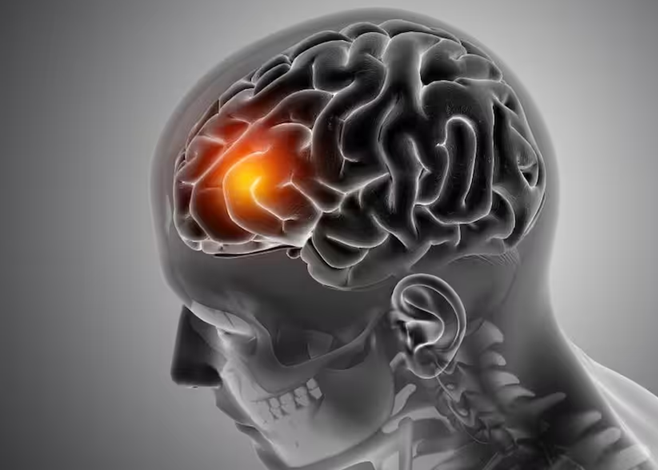
Stroke Symptoms in Elderly People: A stroke is a medical emergency that occurs when blood flow to the brain suddenly stops or decreases. This deprives the brain of oxygen and essential nutrients. If not treated promptly, it can lead to brain damage, paralysis, and even life-threatening complications. Doctors say that early symptoms of a stroke are often overlooked, especially when they appear upon waking in the morning.
Why does a stroke occur?
There are two main types of stroke. The first is an ischemic stroke, in which a blood clot forms in a vein in the brain. The second is a hemorrhagic stroke, in which a vein ruptures or leaks. There is also a mini-stroke, or TTA, which is considered a warning sign of a major stroke in the future. High blood pressure, diabetes, high cholesterol, smoking, obesity, heart disease, lack of physical activity, and excessive alcohol consumption are the major causes.
Early morning stroke symptoms
According to doctors, sometimes the signs of a stroke become apparent as soon as you wake up in the morning. If one side of your face feels loose or crooked, or if your face appears uneven when you smile, be cautious. Sudden weakness, numbness, or tingling in your arms or legs, especially on one side of the body, can be a major sign of a stroke.
Sudden difficulty speaking is also a dangerous sign. Speech problems, incomprehension, or difficulty repeating simple sentences should not be taken lightly. Sudden vision loss, double vision, or complete loss of vision in one eye can also indicate a stroke.
Some people may also experience sudden confusion in the morning, difficulty understanding speech, loss of balance, or staggering while walking. In older adults, these symptoms may be milder, such as sudden fatigue, quietness, changes in behavior, or difficulty performing daily tasks.
Detect stroke with the FAST test
Doctors recommend the FAST test, which includes:
F – Face – Does your face appear crooked?
A – Arm – Is there weakness in raising one arm?
S – Speech – Difficulty speaking or slurred speech?
T – Time – If you notice even one symptom, call emergency services immediately.
Why is immediate action necessary?
In a stroke, every second is precious. The sooner the patient is taken to the hospital, the more brain damage can be prevented. Doctors say that ignoring these morning symptoms, thinking they are fatigue, lack of sleep, or general weakness, can be costly. If you or someone in your family experiences these symptoms upon waking, don't delay. Seek medical help immediately, as timely action can save lives.