Salt and Iodine: Iodine is essential for children's growth, as well as for the development of their brain and nervous system. The thyroid gland produces T4 and T3 hormones with the help of iodine.
Symptoms and Harm of Iodine Deficiency in Salt
Why Rock Salt Lacks Iodine: Salt used in the kitchen isn't just for enhancing the flavor of food, it also plays a vital role in providing the body with essential iodine. Iodine deficiency can lead to a variety of health problems, especially thyroid-related issues. This is why, when purchasing salt, it's not enough to simply look at its color, taste, or how natural it is claimed to be. The most important thing is whether the salt is iodized or not.
On the occasion of World Iodine Deficiency Day, Dr. Tushar Tayal, Associate Director, Internal Medicine, CK Birla Hospital, Gurugram, explained that the body cannot produce iodine on its own. Therefore, its needs must be met through food. Therefore, including iodized salt in your daily diet can be an easy way to prevent iodine deficiency.
Why is iodine important for the body?
Iodine is essential for children's growth, as well as for the development of their brain and nervous system. The thyroid gland produces T4 and T3 hormones with the help of iodine. These hormones help regulate the body's metabolism, maintain body temperature, and help various organs function properly. This requirement becomes even more crucial during pregnancy and the child's early years. Iodine deficiency in the mother during pregnancy can affect the child's development. Long-term iodine deficiency can lead to problems like an underactive thyroid or a swelling in the front of the neck, or goiter, in adults.
Iodized table salt is the most reliable option.
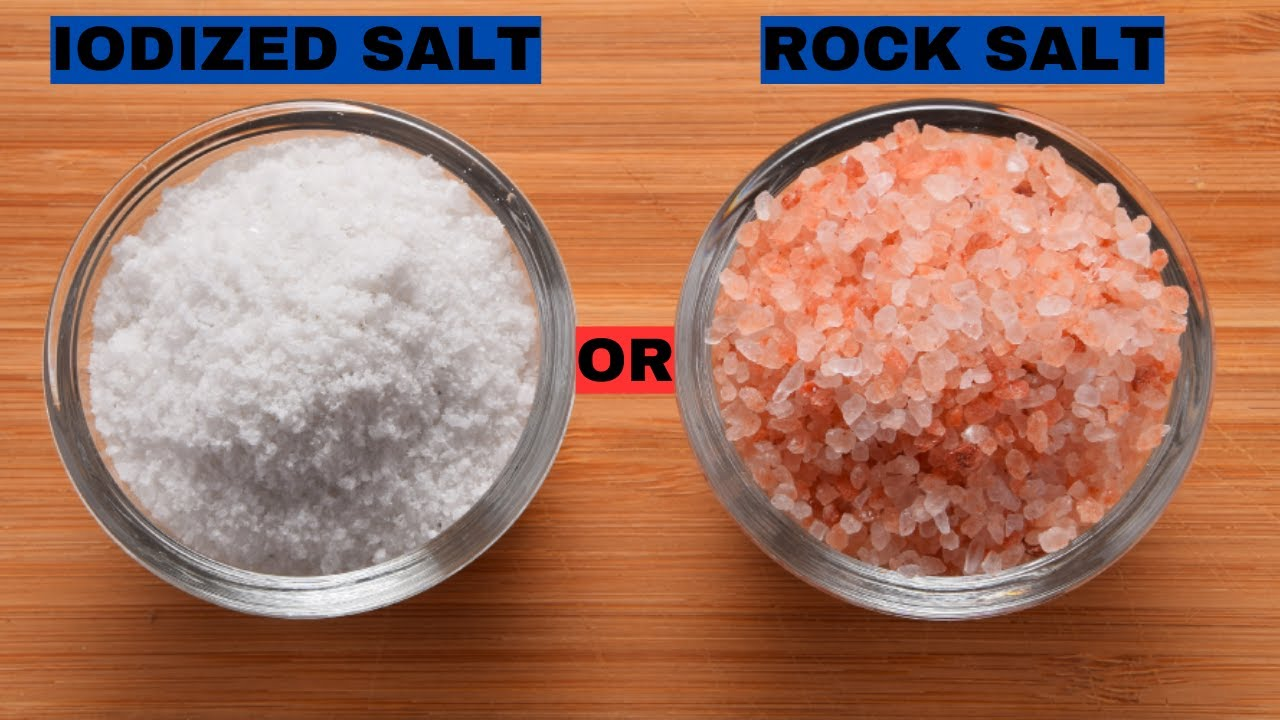
When it comes to pink salt, rock salt, and table salt, regular table salt is the most reliable choice for iodine, but with one condition: it must clearly state "iodized" on the package. Iodized salt has a controlled amount of iodine added during processing. Therefore, the body can get a good portion of iodine through daily diet. However, the actual amount of iodine a person receives depends on the amount added to the salt, how it is stored, and how it is used in cooking.
Therefore, it's important to check the label when purchasing salt, as not all table salt is iodized. Importantly, taste alone cannot determine whether salt contains iodine.
Pink Himalayan salt is different in appearance, but not for iodine.
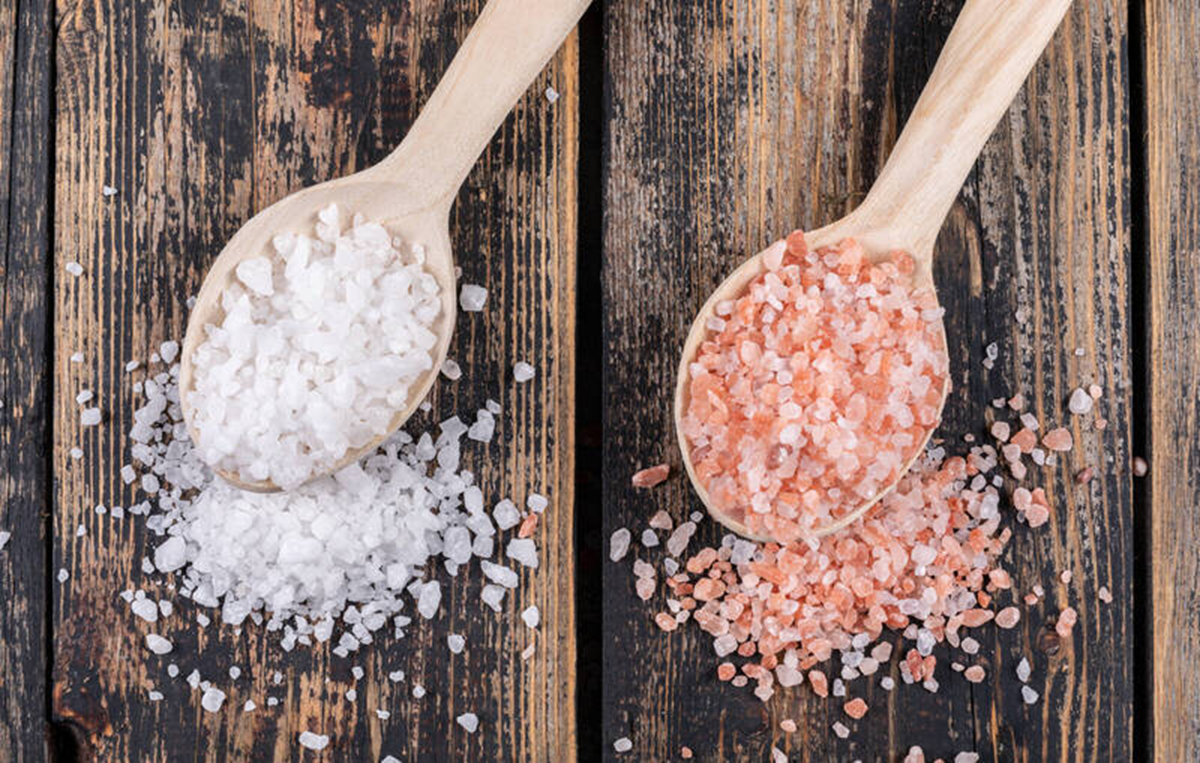
Pink Himalayan salt is often touted as a more natural and pure option. Its pink color is due to trace minerals, not iodine. If the packaging doesn't state it's iodized, the iodine content may be so low and inconsistent that it can't be relied upon to meet daily iodine needs. Furthermore, the perception that pink salt is healthier is also completely untrue. It contains very few trace minerals and is primarily sodium chloride. Therefore, like other salts, it increases sodium in the body.
Do not consider rock salt a good source of iodine.
Rock salt is used during fasting and in many traditional dishes. It is typically mined and is not typically iodized unless the manufacturer adds iodine. The mineral content may vary depending on the source, but this does not necessarily mean it contains a useful amount of iodine. Replacing regular iodized salt with rock salt in everyday meals can lead to an undetected iodine intake, especially for those whose diets are low in other iodine-rich foods.
How much iodine is needed daily and how to store salt?
Most adults need about 150 micrograms of iodine daily. This requirement increases during pregnancy and breastfeeding. The World Health Organization recommends limiting total salt intake to less than 5 grams per day, including pre-existing salt in packaged and processed foods. Iodine isn't just obtained from salt. Milk, yogurt, eggs, seafood, and some fortified foods are also sources. However, the iodine content of these can vary. Especially for those who avoid dairy and eggs, special attention should be paid to the sources of iodine in their diet.
Iodized salt should be stored in a cool, dry place in a covered container. When cooking, it's best to add it last, where possible. Prolonged cooking may reduce some iodine, although the amount depends on the cooking method. Therefore, whether the salt is pink, white, or highly refined doesn't determine iodine availability. The most important thing is whether the salt is iodized or not. Using iodized salt in moderation is an easy way to meet iodine needs, and it's also important to keep total salt intake within the recommended limits.