NEWS
Still Using the Same Password Everywhere? This Common Mistake Could Put Your Online Accounts at Serious Risk
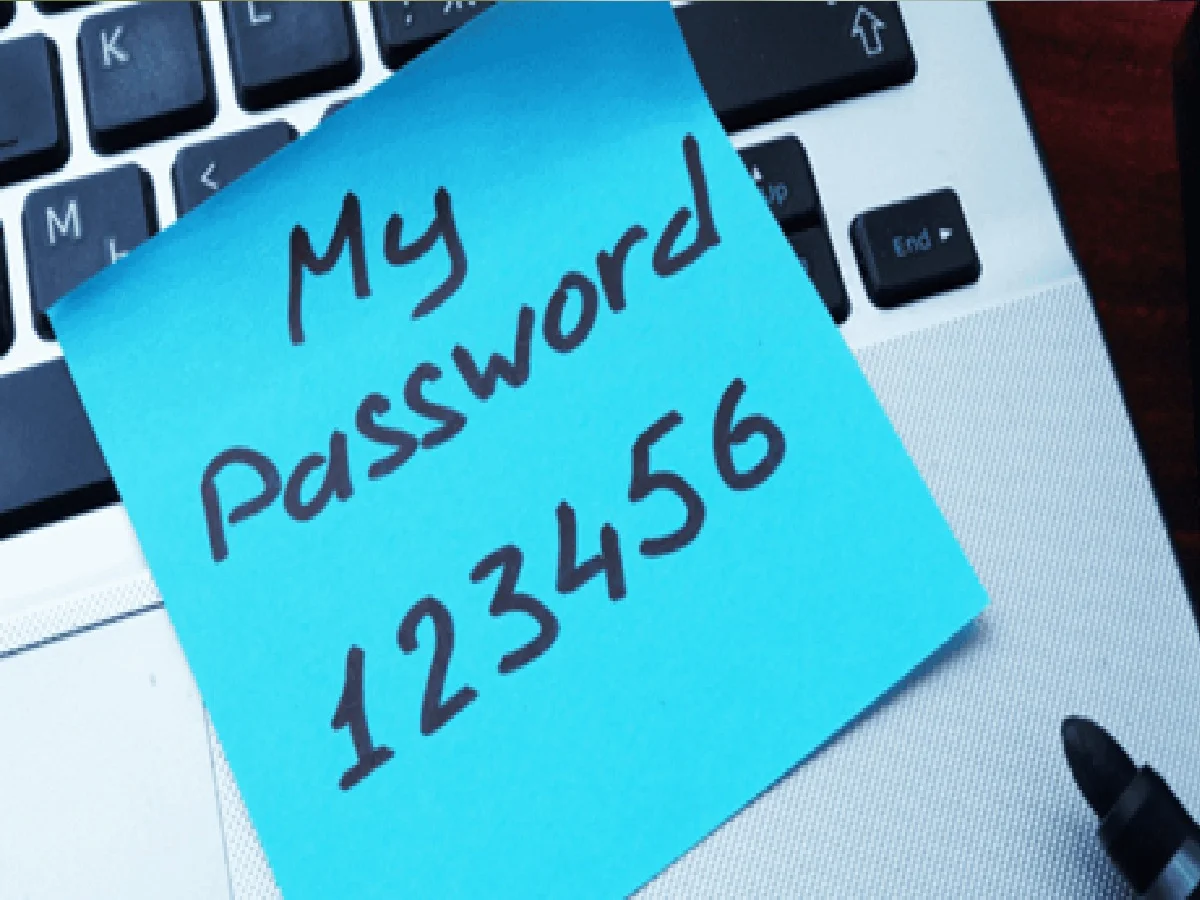
In today’s digital world, almost every part of life depends on online accounts. From social media and banking apps to shopping websites and email platforms, people store a huge amount of personal and financial information online. However, despite increasing cyber threats, many users still ignore one of the most important aspects of online safety — password security.
Cybersecurity experts continue warning that weak or outdated passwords remain one of the biggest reasons behind hacking incidents, account theft, and online fraud. Many people either use simple passwords that are easy to guess or continue using the same password for years without updating it. This small mistake can create a major security risk and make personal accounts vulnerable to cyberattacks.
Why Passwords Are So Important
A password acts like the main security lock for your digital identity. It protects:
- Personal data
- Private chats
- Banking details
- Social media accounts
- Emails
- Cloud storage
- Photos and documents
If a hacker gains access to your password, they may be able to take control of your accounts, misuse your information, or even commit financial fraud.
That is why cybersecurity professionals consider passwords the first and most important line of defense in online security.
The Biggest Password Mistakes People Still Make
Many internet users continue making common security mistakes such as:
- Using the same password everywhere
- Choosing easy-to-guess passwords
- Using birth dates or names
- Reusing old passwords repeatedly
- Never updating passwords regularly
Hackers often use automated software that can quickly guess simple passwords using publicly available information such as:
- Names
- Mobile numbers
- Birthdays
- Pet names
- Common words
Using such predictable passwords makes accounts extremely easy to compromise.
How to Create a Truly Strong Password
Cybersecurity experts recommend creating passwords that are difficult to guess but unique for every account.
A strong password should include a combination of:
- Uppercase letters
- Lowercase letters
- Numbers
- Special symbols
- Spaces or long phrases where supported
For example, passwords become much stronger when users mix multiple character types instead of using simple words or number sequences.
While complex passwords may feel harder to remember, they provide much better protection against hacking attempts and automated password attacks.
Never Use Personal Information in Passwords
One of the most dangerous habits is using personal details as passwords. Users should avoid:
- Their own name
- Family member names
- Date of birth
- Mobile numbers
- Vehicle numbers
- Simple patterns like “123456”
Hackers can often gather this information easily through social media profiles or public records.
Even adding a few numbers to a common word usually does not make a password secure enough.
Why Changing Passwords Regularly Matters
Creating a strong password is important, but cybersecurity experts say that regularly updating passwords is equally necessary.
Even strong passwords can become unsafe if:
- A website suffers a data breach
- Passwords leak online
- Devices get infected with malware
- Someone unknowingly shares login details
Regularly changing passwords helps reduce the risk of long-term unauthorized access.
Experts generally recommend updating important passwords periodically, especially for:
- Banking accounts
- Email accounts
- Social media profiles
- Office systems
- Cloud storage platforms
Additional Tips to Improve Online Security
Apart from creating stronger passwords, users can also improve account safety by following these practices:
Use Different Passwords for Different Accounts
If one account gets hacked, other accounts remain protected.
Enable Two-Factor Authentication (2FA)
This adds an extra verification layer during login attempts.
Use a Password Manager
Password manager apps can safely store and generate strong passwords.
Avoid Saving Passwords on Public Devices
Never save login credentials on shared computers or cyber cafés.
Be Careful of Phishing Links
Hackers often steal passwords through fake emails, messages, or websites.
Why Cybersecurity Awareness Is Becoming More Important
As digital services continue expanding rapidly, cybercrime cases are also increasing worldwide. Hackers now target:
- Social media accounts
- Banking apps
- E-commerce accounts
- Work emails
- Messaging platforms
A weak password can sometimes expose years of personal information within minutes.
That is why cybersecurity experts repeatedly stress that even small efforts from users — such as choosing stronger passwords and updating them regularly — can significantly improve online safety.
Strong Passwords Are No Longer Optional
With so much personal and financial information now connected to online accounts, password security is no longer something users can ignore. A single weak password can lead to account hacking, identity theft, financial loss, or privacy breaches.
By creating stronger passwords, avoiding predictable information, and updating login credentials regularly, users can greatly reduce their chances of becoming victims of cybercrime in today’s increasingly connected digital world.