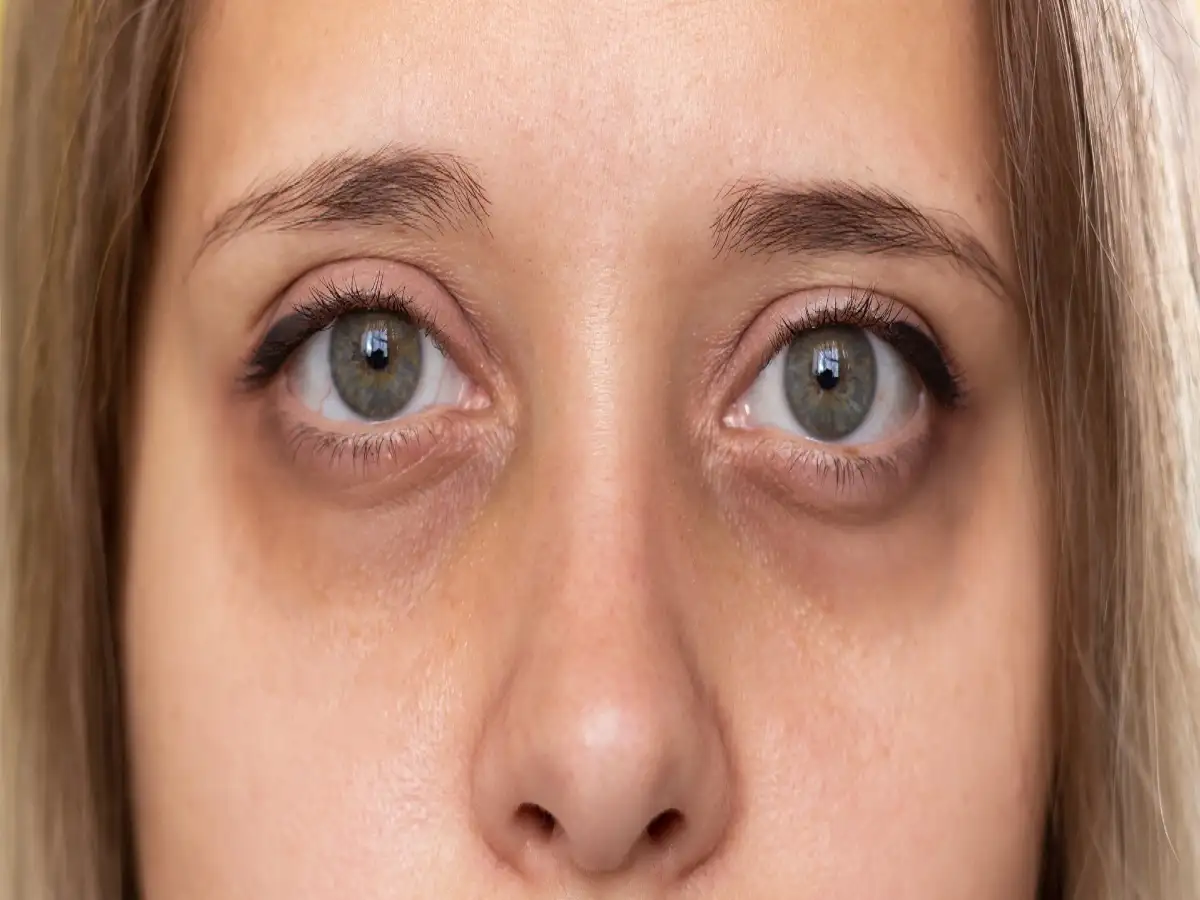
Constant Fatigue Causes: Getting seven or eight hours of sleep should leave you feeling refreshed, but that isn't always the case. Some people wake up tired despite spending enough time in bed, while others experience low energy, weakness or sleepiness throughout the day even after resting.
The reason may not simply be the number of hours you sleep. Sleep quality, physical activity, hydration, eating habits, nutritional deficiencies and underlying health conditions can all influence energy levels.
Occasional tiredness after a busy day is normal. However, persistent or unexplained fatigue deserves attention, particularly when it starts interfering with work, concentration or everyday activities.
Here are some common reasons you may continue to feel tired despite getting what appears to be adequate sleep.
1. You May Be Sleeping Enough Hours but Not Getting Quality Sleep
Sleep duration and sleep quality are two different things.
You might remain in bed for eight hours but still wake up exhausted if your sleep is repeatedly interrupted. Noise, uncomfortable room temperature, stress, alcohol, late-night screen use or other factors may affect sleep continuity.
Certain sleep disorders can also prevent restorative sleep. For example, obstructive sleep apnea can cause repeated interruptions in breathing during sleep. A person may not fully remember waking up but can still feel extremely tired the next day.
Loud snoring, gasping during sleep, morning headaches or significant daytime sleepiness are reasons to discuss sleep quality with a healthcare professional.
2. Too Little Physical Activity Can Make You Feel Sluggish
When you're already tired, spending the entire day resting can seem like the logical solution. Surprisingly, prolonged inactivity can sometimes make you feel even more sluggish.
People who spend long periods sitting at a desk, driving or lying down may get very little regular physical activity.
Appropriate exercise supports cardiovascular health, muscle strength and general well-being. Even relatively simple activities such as walking can help people become more physically active.
You don't have to begin with an intense workout. If you have been inactive, start gradually and choose activity appropriate for your health and fitness level.
People with medical conditions should consult their healthcare provider before making significant changes to their exercise routine.
3. Dehydration May Contribute to Tiredness
Not getting enough fluids can contribute to symptoms such as tiredness, headache, dizziness and difficulty concentrating.
Fluid requirements vary according to body size, physical activity, climate, diet, pregnancy and medical conditions, so there is no single amount of water that is perfect for everyone.
Rather than forcing yourself to consume excessive amounts, drink regularly throughout the day and increase fluid intake when appropriate, such as during hot weather or exercise.
People with certain heart, kidney or other medical conditions may have specific fluid recommendations and should follow their doctor's advice.
4. Irregular Eating Can Leave You Low on Energy
Skipping meals or going for long periods without eating may leave some people feeling weak, irritable or low on energy.
Your body needs adequate energy and nutrients to function throughout the day.
A balanced eating pattern that includes appropriate sources of protein, complex carbohydrates, healthy fats, vegetables and fruits can help support general health.
Relying heavily on highly processed foods and sugary snacks may not provide the same nutritional quality as balanced meals.
If your schedule regularly causes you to miss meals, planning simple meals or snacks in advance may help.
5. Iron, Vitamin B12 or Vitamin D Deficiency May Be Involved
Persistent fatigue can sometimes be associated with nutritional deficiencies.
Iron deficiency can lead to iron-deficiency anemia, which reduces the blood's ability to carry oxygen efficiently. Symptoms may include tiredness, weakness, shortness of breath, dizziness or paleness.
Vitamin B12 deficiency can also cause fatigue and weakness and, in some cases, neurological symptoms such as numbness or tingling.
Low vitamin D levels may occur without obvious symptoms but can sometimes be associated with muscle weakness, bone problems or nonspecific tiredness.
The important point is not to diagnose yourself based on fatigue alone. These deficiencies require appropriate assessment, often including blood tests.
Avoid taking high-dose supplements simply because you're tired. A healthcare professional can determine whether a deficiency is actually present and recommend the appropriate treatment.
6. Sitting or Lying Down for Too Long May Affect How Active You Feel
Long periods of sedentary behaviour have become increasingly common, especially among people working on computers.
You might sit for several hours while working, spend more time sitting during your commute and then relax on a sofa in the evening.
Breaking up long periods of sitting with brief movement can be a practical way to increase daily activity.
Try standing up periodically, walking around the room, stretching gently or taking short walking breaks when possible.
The objective isn't to remain active every minute of the day, but to avoid spending almost the entire waking period sitting or lying down.
Stress and Mental Health Can Also Affect Energy
Physical causes aren't the only reasons for persistent fatigue.
Long-term stress can affect sleep and leave a person feeling mentally and physically exhausted. Anxiety and depression can also be associated with changes in sleep, motivation, concentration and energy.
These symptoms deserve the same attention as physical health concerns.
If tiredness is accompanied by persistent low mood, loss of interest in usual activities, significant anxiety or other emotional difficulties, consider discussing the symptoms with a qualified healthcare professional.
Other Medical Conditions Can Cause Persistent Fatigue
Ongoing tiredness can sometimes be related to an underlying medical condition.
Thyroid disorders, anemia, diabetes, infections, sleep disorders and various other conditions can cause fatigue. Certain medicines may also contribute to daytime sleepiness or low energy.
This is why persistent fatigue should not automatically be blamed on laziness, lack of motivation or insufficient sleep.
A healthcare professional can review your symptoms, medical history, medicines and lifestyle before deciding whether further testing is necessary.
How Can You Improve Your Daily Energy?
Start with the basics.
Maintain a reasonably consistent sleep and wake schedule, and create a sleeping environment that is dark, quiet and comfortable. Limit habits that interfere with sleep, particularly late at night.
Include regular physical activity in your routine, drink fluids according to your needs and eat balanced meals at appropriate intervals.
It can also help to track when your fatigue occurs. Note whether you feel tired immediately after waking, after meals, during particular times of day or following certain activities.
This information can be useful if you eventually need to discuss the problem with a doctor.
When Should You See a Doctor About Fatigue?
Seek medical advice if fatigue persists for several weeks, becomes progressively worse or significantly interferes with normal activities.
You should also consider medical evaluation if tiredness is accompanied by symptoms such as unexplained weight changes, persistent fever, shortness of breath, dizziness, unusual bleeding, severe weakness, palpitations or other concerning changes.
Sudden severe symptoms may require more urgent assessment.
The Bottom Line
Feeling tired after getting seven or eight hours of sleep does not necessarily mean you simply need to spend more time in bed.
Poor-quality sleep, inactivity, dehydration, irregular meals and nutritional deficiencies are among the possible explanations. Stress, medicines, sleep disorders and underlying medical conditions can also contribute.
If improving basic lifestyle habits doesn't help and fatigue continues, don't rely on supplements or self-diagnosis. A healthcare professional can help identify the underlying reason and determine whether any tests or treatment are needed.
Disclaimer: This article is intended for general information and does not replace professional medical advice, diagnosis or treatment.