LIFESTYLE
Spider Veins: Spider-like webs visible on your father's legs- how serious is this problem?

Spider Veins on Legs: Many changes begin to appear in the parents' bodies. If your father suddenly begins to notice very thin veins of red, blue, or purple color on his legs, it's a good idea.
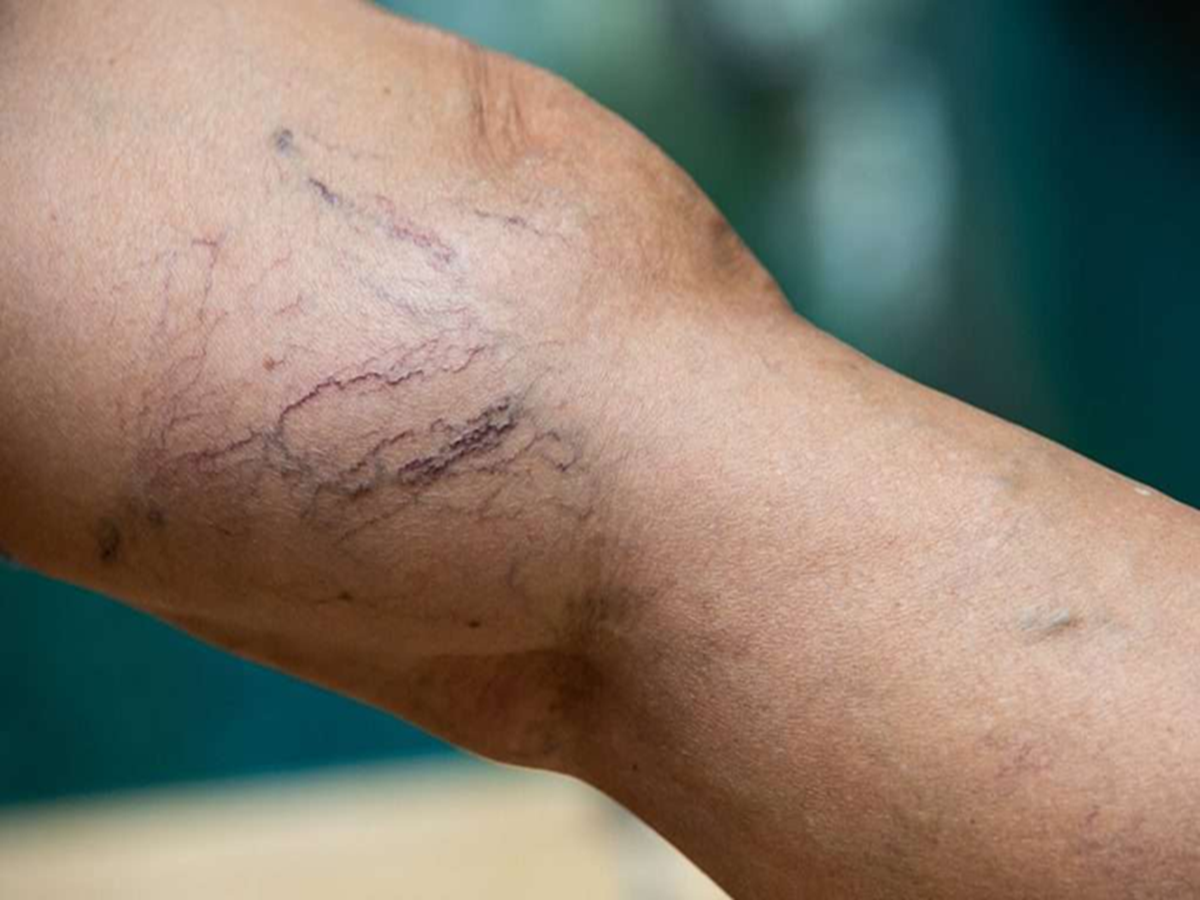
Symptoms of Spider Veins
Spider Veins on Legs Causes and Symptoms: As parents age, many changes begin to appear in their bodies. If your father suddenly notices very thin, red, blue, or purple veins on his legs, resembling spider webs or tree branches, don't ignore them. Medically, this condition is called spider veins or telangiectasia. Spider veins are generally not dangerous in themselves, but in some cases, they can be an early sign of a problem related to blood flow in the legs.
What are spider veins?
According to the health information website Cleveland Clinic, spider veins appear due to damage to small blood vessels just beneath the skin's surface. They can be red, blue, or purple in color. They often appear in clusters of thin lines, giving them a spiderweb-like appearance. Despite the word "vein," they are not normal veins. They are extremely small blood vessels connected to the body's veins and arteries, including capillaries, venules, and arterioles. Spider veins can occur in various parts of the body, but they are more common on the legs, arms, and face.
Is it dangerous to see spider webs on your feet?
In most cases, spider veins do not cause any serious health problems. For many, they are simply a problem related to skin texture or appearance. However, in some cases, spider veins can be an early sign of chronic venous insufficiency (CVI). This condition causes the veins in the legs to have difficulty returning blood to the heart. This problem can worsen over time and lead to other complications. Therefore, it is best to inform your doctor if you suddenly notice spider veins on your legs, especially if they are accompanied by other symptoms.
These symptoms may appear with spider veins.
Spider veins alone don't usually cause pain or other symptoms. People often notice them by looking at their legs. However, if spider veins are accompanied by varicose veins or other blood flow problems, standing for long periods can worsen the problem. People with these symptoms may experience burning, cramping, itching, and pain in their legs. They may also feel heavy or tired. A varicose vein close to the skin may rupture and cause bleeding. In such cases, treating the visible spider veins alone isn't enough. Doctors can treat the underlying blood flow problem.
Why do spider veins start forming?
Spider veins form when small blood vessels beneath the skin weaken and dilate. The exact cause isn't known for every individual. However, hormonal changes, certain genetic disorders, connective tissue diseases, and injury may be factors. Some people are at higher risk. Sitting or standing in one place for long periods of time, a family history of spider or varicose veins, and obesity can increase the risk. Pregnancy, hormonal birth control, hormone therapy for menopause, prolonged sun exposure, and smoking are also risk factors.
When should one see a doctor?
If your father only sees thin spider veins on his leg and there are no other problems, there's usually no need to worry. However, certain changes require immediate attention. If a visible blood vessel swells, changes color, or feels hot or painful to the touch, you should consult a doctor. These could be signs of a blood clot. Similarly, sores, rashes, or discoloration on the skin of the legs, along with persistent burning, pain, or cramping, may also indicate the need for a medical examination.