LIFESTYLE
Spices Getting Clumpy: How to Prevent Spices from Getting Clumpy and Lumpy? Learn 4 Secret Kitchen Tips
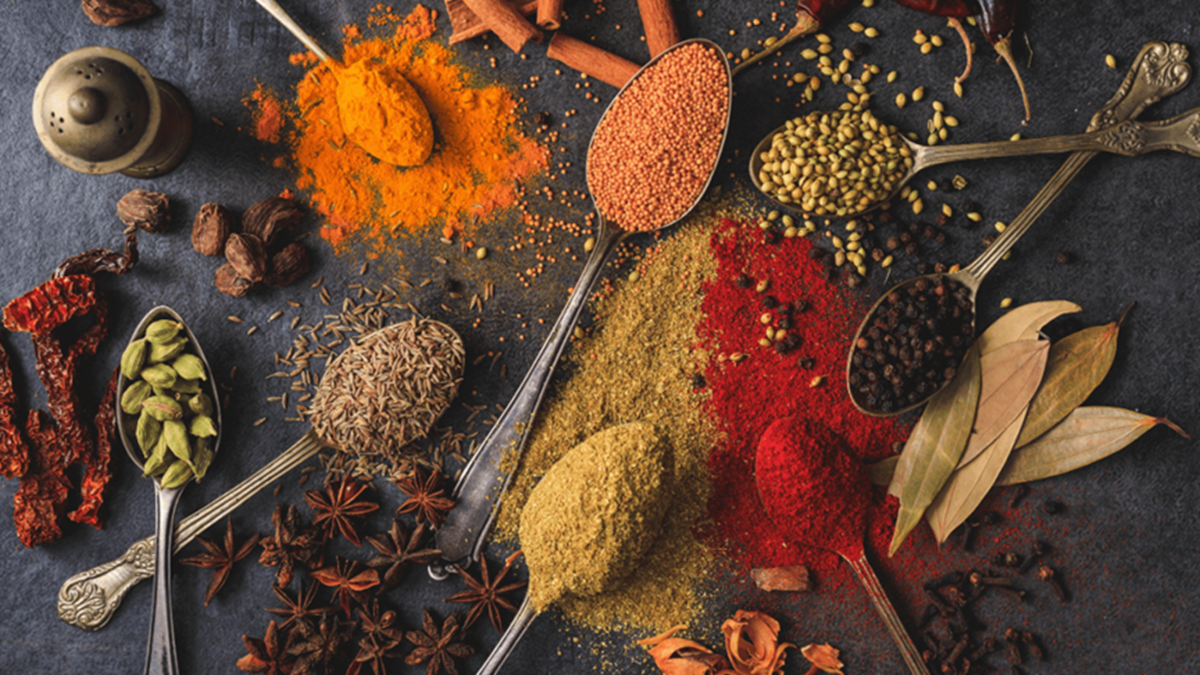
How to Keep Masala Dry: Even a little moisture in the spice container can cause the fine powder particles to stick together. Steam generated during cooking in the kitchen can also be a major cause.
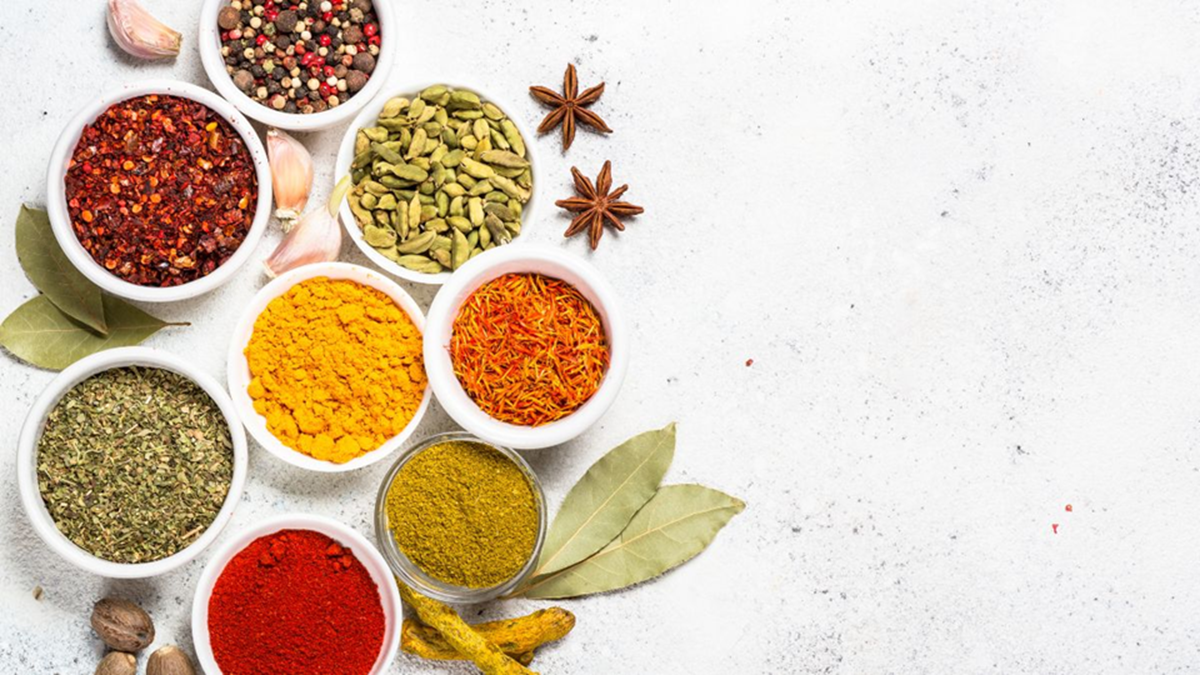
Why do spices form lumps?
How To Prevent Lumps In Ground Spices: While using the spices kept in the kitchen, if small lumps start appearing in them, then there is no need to panic. This problem is often seen in turmeric, red chili, coriander powder, cinnamon, garlic powder or other finely ground spices. In most cases, it is not due to spoilage of the spice, but due to moisture entering it. However, lumps should not be completely ignored. If the aroma, color or taste of the spice has changed or mold is visible in it, then it should be avoided using it. Let us know why lumps appear in spices and what should be done to keep them dry and safe for a long time.
Lumps start forming as soon as moisture reaches
Even a small amount of moisture can cause the fine powder particles to clump together. Steam generated during cooking in the kitchen can also be a major cause. Many people open the spice container and pour it directly onto a hot pan or boiling food. This can cause steam to enter the container and gradually cause the spices to clump.
This problem can worsen during rainy or humid weather . Condensation caused by temperature changes can also affect spices. Therefore, spices should always be stored in a place where moisture and steam are minimal.
Does the presence of lumps mean that the spices have gone bad?
Just because a spice has formed lumps doesn't always mean it's spoiled. If the spice's aroma and color are normal, and there's no visible mold or other unusual changes, it's still safe to use. However, if the spice begins to develop a strange or rancid odor, changes color significantly, tastes different, or shows signs of mold, it's best to discard it. Similarly, if the entire spice has hardened excessively due to moisture, becoming a solid lump, caution should be exercised.
Lumps can make it difficult to measure and mix evenly into the food. This can sometimes result in too much or too little spice. Large pieces can also ruin the taste if they go directly into the food.
If there are small lumps, then do it like this
If the spices have formed only a few small lumps and show no signs of spoilage, they can be easily separated. Gently break up the lumps with the back of a clean, completely dry spoon.
If too many lumps form, transfer the spices to a clean, dry plate or container and strain them through a fine sieve. This will remove any large pieces and allow the spices to become fine again. Then, store them in a clean, completely dry, airtight container. It's important to ensure that the spoon used to break up lumps or remove the spices is completely dry. Even slight moisture can cause problems again.
Some spices have a higher risk of lump formation.
Finely ground spices absorb moisture quickly. Therefore, spices like garlic powder, onion powder, cinnamon powder, chili powder, and paprika can form lumps easily. Some spices also contain natural oils. Spices like cumin, turmeric, and nutmeg can clump together over time. Whole spices and dried herbs, on the other hand, typically have less of this problem because they don't absorb moisture as easily as finely ground spices.
Keep in an airtight container.
The easiest way to preserve spices is to store them in a tightly sealed, airtight container. If the lid is not properly sealed, air and moisture can slowly seep in. If the spices are stored in plastic or paper packets and the packets are frequently opened, it may be best to transfer them to an airtight jar. Before filling the container with spices, make sure it is completely clean and dry.