LIFESTYLE
Soft Roti Making Tips: Roti not rising on the pan? This magical hack to make it balloon-like
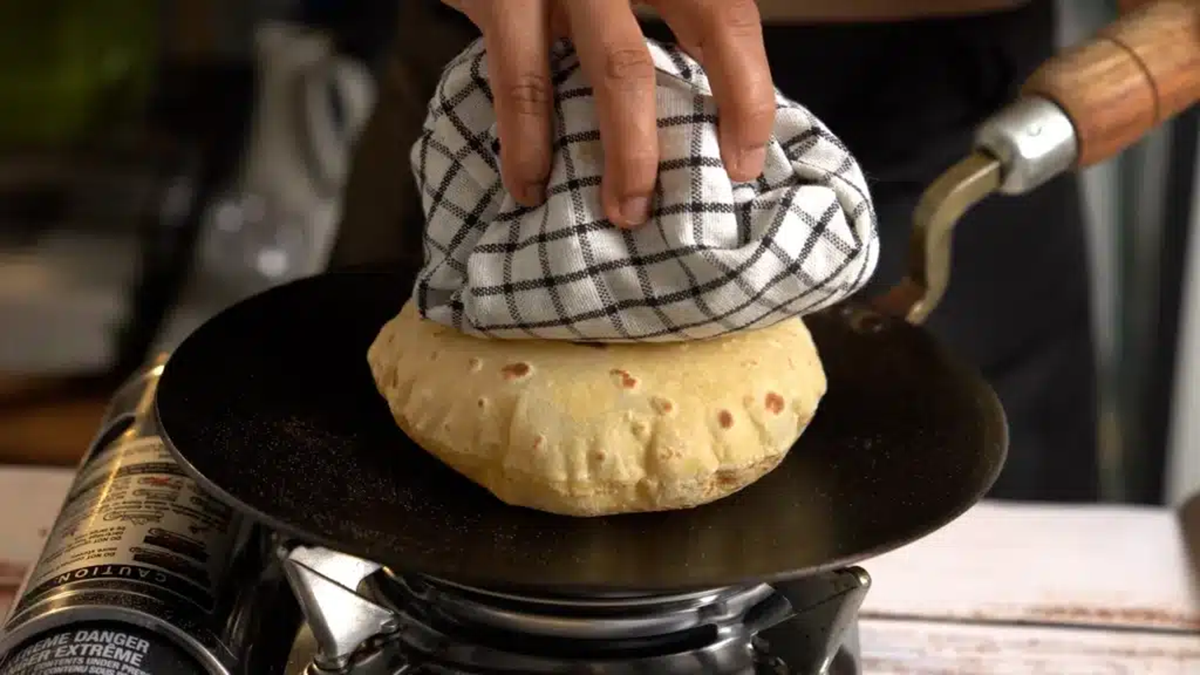
Tips for Making Puffy Roti: Whether the roti turns out well depends largely on the method of kneading the dough. If the dough is kneaded too hard, it may crack when rolling out the roti.
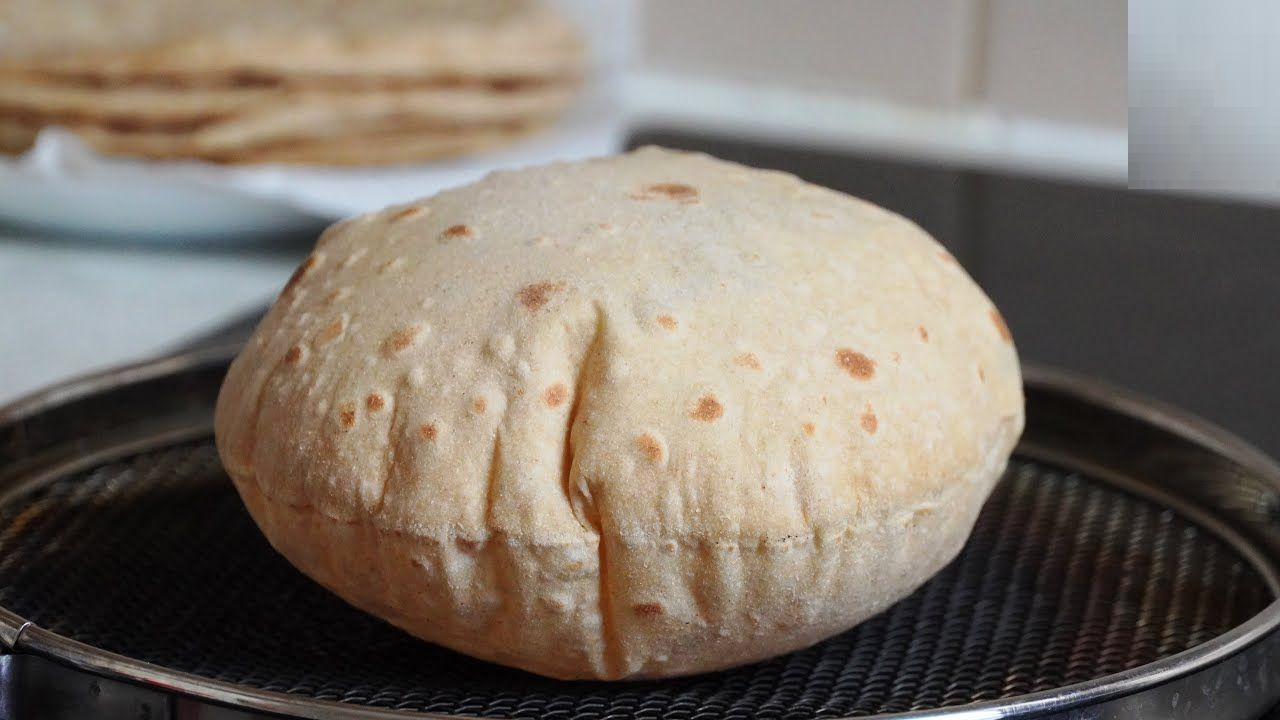
How to make fluffy and soft roti on a griddle
How To Make Soft And Puffy Roti: While making roti at home, it often happens that the roti gets cooked on the pan but does not puff up. Sometimes the roti remains thick on one side, and sometimes it becomes hard. In such situations, people often think that perhaps the dough has not been kneaded properly or the method of making the roti is wrong. In fact, there are many reasons behind the proper puffing of the roti, such as the softness of the dough, the way of rolling it, and the right flame during baking. If these small things are taken care of, soft and puffy rotis can be made even on gas.
Keep this in mind while kneading the dough.
Whether or not a roti turns out well depends largely on the method used to knead the dough. If the dough is too stiff, it may crack when rolled out and won't rise properly when baked. Dough that's too wet can also cause problems with rolling. To prevent this, first knead the wheat flour by adding water little by little. Adding too much water at once can make the dough too soft. Knead the dough until it's soft and smooth. Ensure the dough isn't so stiff that it requires force to roll, nor so sticky that it sticks to your hands.
Do not roll the dough immediately after kneading it.
Many people start rolling out rotis as soon as they knead the dough. However, it's important to let the dough rest for a while. After kneading, cover it and let it rest for 20 to 30 minutes. This allows the dough to set properly and makes it easier to roll. If the dough feels a little stiff after being placed, you can add a little water and knead it again. Keep in mind that leaving the dough uncovered can cause the top layer to dry out. Therefore, always keep it covered. This keeps the dough soft and reduces hassle when rolling out rotis.
Do not make this mistake while rolling roti
One reason for roti not rising may be improper rolling. If the roti is thick in some places and thin in others, it will not cook evenly on the pan. This can cause some parts to cook quickly, while others may remain uncooked. When rolling the roti, try to ensure equal thickness throughout. To do this, keep rotating the roti slightly while using the rolling pin. This will also help in maintaining its round shape. Avoid using too much dry flour for rolling the roti. Add flour only as needed, as too much dry flour can make the surface of the roti dry. Do not leave the roti open for too long after rolling it. Doing so can dry it out and make it less tender when baked.
Add the roti only after the pan is heated well.
If the pan isn't heated properly, the roti may have trouble rising. Placing the roti on a cold pan will cause it to dry out quickly. On the other hand, a very high heat can cause the roti to burn quickly on the outside and not cook properly on the inside. Therefore, before baking the roti, heat the pan over medium to medium-high heat. Then, place the roti on the pan. There's no need to repeatedly turn it over once it's been placed on the pan. Turn it over when small bubbles appear on the top surface.
Flip the roti at the right time.
How long to bake the roti and when to flip it also affect its texture. First, place the roti on a hot pan. When small bubbles begin to form, flip it over. When light brown marks appear on the other side, you can flip it again. Then, using a clean cloth or a suitable spatula, gently press the roti. Applying gentle pressure, especially around the edges, can help it rise. If the roti still doesn't rise, check the thickness of the dough and the heat of the pan. Sometimes, errors in both of these can result in flat roti.
Pay attention to the gas flame as well.
Placing a half-baked roti directly on the gas flame on a pan can make it rise quickly. However, it is essential to roll the roti properly and cook it sufficiently on the pan. If you use this method, keep a constant eye on the roti to prevent it from burning. Use proper tongs instead of handling the hot roti with your hands. After the roti is ready, do not leave it on an open plate for long. Keeping it covered helps maintain its moisture and prevents it from hardening quickly. If making rotis one after the other, you can store them in a vessel covered with a clean cloth.