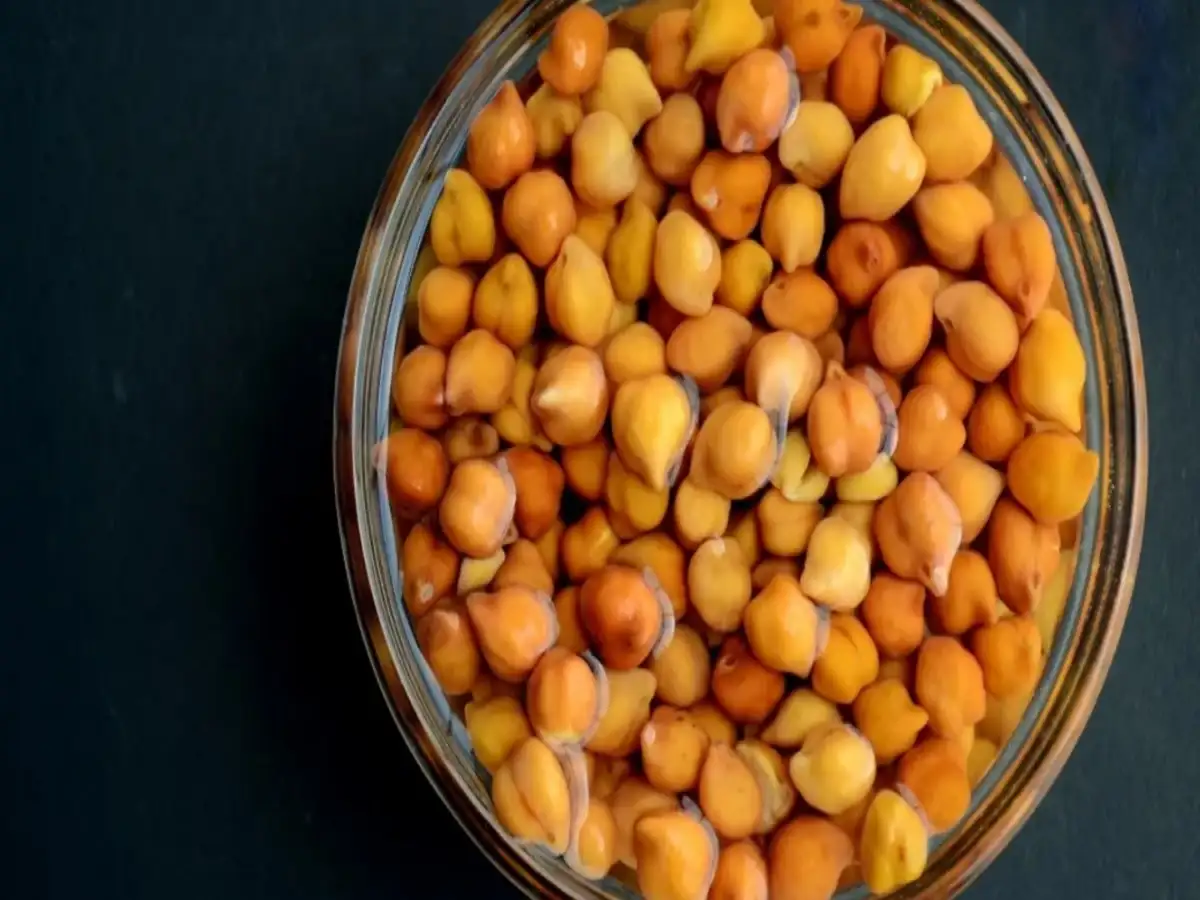
A nutritious diet plays an important role in maintaining overall health, and simple everyday foods can contribute significantly to a balanced eating pattern. One such food is black chickpeas, commonly known as kala chana.
Black chickpeas provide plant-based protein, dietary fibre and several important micronutrients. Many people soak them overnight and eat them in the morning as part of breakfast. Soaking makes the chickpeas softer, although people who have difficulty digesting raw soaked legumes may prefer properly cooked chickpeas.
Adding black chickpeas to a balanced diet may support digestive health, provide protein and help with satiety. However, eating them specifically on an empty stomach is not proven to provide unique health benefits compared with consuming them at another time of day.
Here is what you should know before making soaked kala chana part of your morning routine.
Black Chickpeas Provide Several Important Nutrients
Kala chana can be a nutritious addition to everyday meals because it contains a combination of protein, fibre, iron, folate and magnesium, along with carbohydrates that provide energy.
Its plant-based protein content makes it particularly useful for people following vegetarian diets, although a varied diet remains important for obtaining a full range of nutrients.
The combination of protein and fibre can also help meals feel more satisfying. This is one reason chickpeas are commonly included in diets aimed at maintaining a healthy body weight.
1. Fibre Can Support Healthy Digestion
One of the major nutritional advantages of black chickpeas is their fibre content.
Dietary fibre supports normal bowel function and can help promote regular bowel movements. A fibre-rich diet may also be useful for people who frequently experience constipation.
However, suddenly eating a large amount of chickpeas can cause discomfort in some people. Gas, bloating or abdominal discomfort may occur, particularly in those who are not accustomed to eating legumes regularly.
Starting with a smaller serving and gradually increasing fibre intake may be more comfortable. Drinking enough water throughout the day is also important when increasing dietary fibre.
2. Protein Supports Muscles and Normal Body Functions
Protein is essential for maintaining and repairing body tissues, including muscles. Black chickpeas provide plant-based protein and can contribute to daily protein intake when eaten as part of a varied diet.
They can be paired with other foods such as whole grains, vegetables, curd or other protein sources to create a more balanced meal.
People with particularly high protein requirements should not depend on kala chana alone. Total protein needs vary according to factors such as age, body size, activity level and overall health.
3. Kala Chana Is a Source of Iron
Black chickpeas also contain iron, a mineral needed for several important functions in the body, including the formation of haemoglobin.
However, the iron present in plant foods is non-heme iron, which is generally absorbed less efficiently than the heme iron found in animal foods.
Combining chickpeas with a source of vitamin C—such as lemon, amla, tomatoes, guava or other vitamin C-rich foods—can help improve the absorption of non-heme iron.
People who have iron deficiency or anaemia should not rely solely on chickpeas as treatment. Appropriate medical evaluation and treatment may be necessary.
4. Protein and Fibre May Help You Feel Full for Longer
People trying to manage their weight often include legumes such as chickpeas in their diet because protein and fibre can improve satiety.
Eating a filling breakfast may reduce the urge to snack soon afterward. Replacing highly processed, calorie-dense breakfast foods with a balanced meal containing legumes may therefore support an overall weight-management plan.
Still, kala chana is not a weight-loss remedy on its own. Changes in body weight depend on overall calorie intake, dietary quality, physical activity, sleep and several individual factors.
5. Chickpeas Can Be Part of a Heart-Friendly Eating Pattern
Legumes are commonly included in balanced dietary patterns because they provide fibre, plant protein and minerals while naturally containing relatively little saturated fat.
Regularly choosing legumes in place of foods high in saturated fat can contribute to a more heart-friendly diet.
The benefit, however, comes from the overall dietary pattern rather than from eating soaked black chickpeas every morning as a standalone remedy.
Is Eating Kala Chana on an Empty Stomach Necessary?
There is no requirement to consume black chickpeas on an empty stomach to obtain their nutrients.
If eating them first thing in the morning suits your digestion, they can be included in breakfast. But someone who experiences bloating, acidity or digestive discomfort does not need to force themselves to eat kala chana before other foods.
The amount consumed and the person's overall diet are generally more relevant than whether the chickpeas are eaten on an empty stomach.
How to Prepare Black Chickpeas Safely
Wash the dried black chickpeas thoroughly and soak them in plenty of clean water overnight. Drain the soaking water and rinse the chickpeas again before consumption.
While some people eat chickpeas after soaking, cooking them thoroughly is the safer and more digestible option, especially for people with sensitive digestion. Cooking also improves texture and reduces certain naturally occurring compounds in raw legumes that can interfere with digestion.
Kala chana can then be combined with vegetables, lemon and other nutritious ingredients rather than adding excessive salt or high-calorie dressings.
Who Should Be Careful?
People who frequently experience gas, bloating or digestive problems may need to start with a small serving and assess their tolerance.
Anyone with a medical condition requiring dietary restrictions—particularly kidney disease or another condition affecting nutrient intake—should discuss major dietary changes with a doctor or qualified dietitian.
Black chickpeas can certainly be a nutritious addition to the diet, but their benefits should be viewed as part of an overall balanced eating pattern rather than as a cure or quick health solution.
Disclaimer: This article is for general health information only and is not a substitute for medical advice, diagnosis or treatment. Individual nutritional needs can vary depending on health conditions, medications and other factors.