LIFESTYLE
Simple Habits to Lower Blood Clot Risk: Expert-Backed Tips to Protect Your Heart and Health
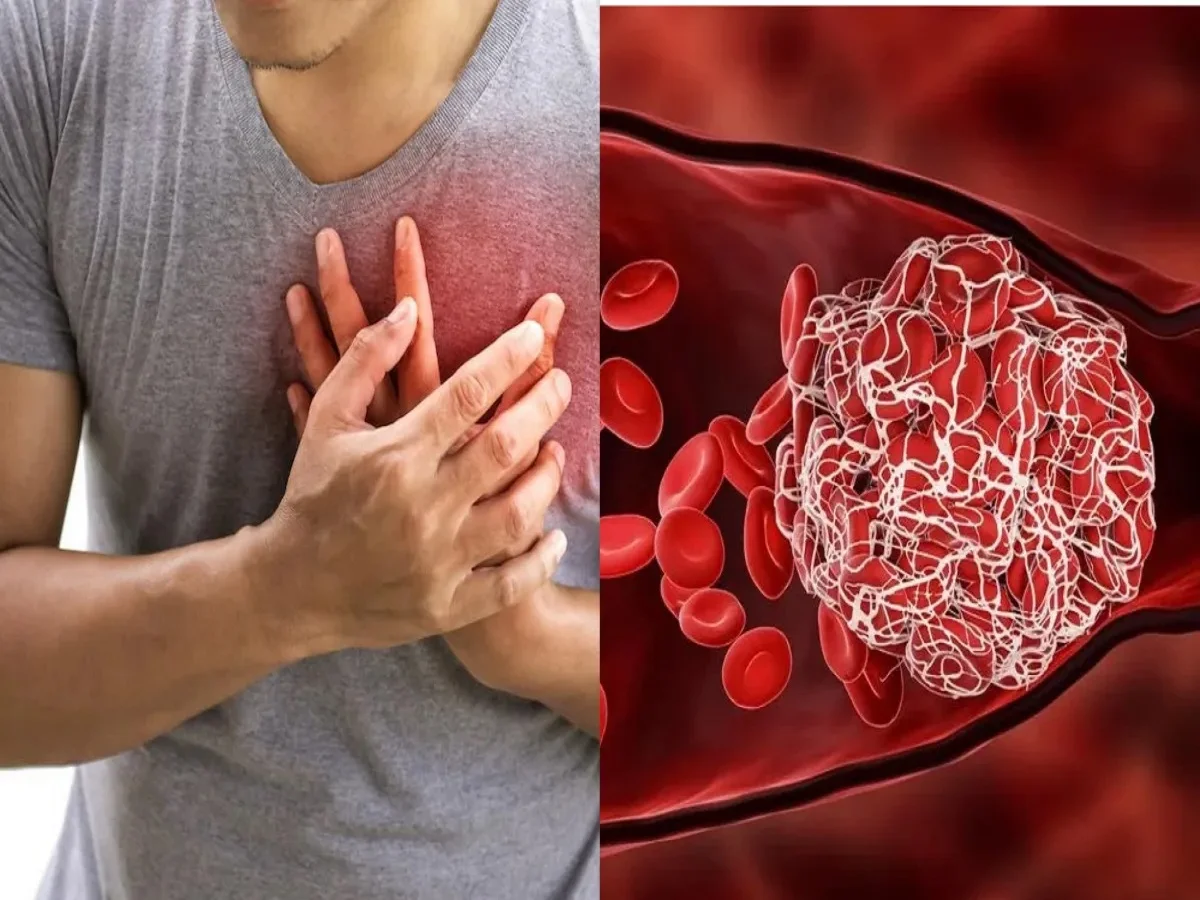
Blood clotting is a natural and essential function of the human body that helps prevent excessive bleeding when we get injured. However, when clots form unnecessarily inside the body, they can turn into a serious health concern. Uncontrolled blood clotting can block blood vessels, restrict oxygen flow, and in severe cases, lead to life-threatening conditions such as heart attack, stroke, or deep vein thrombosis.
Understanding the causes behind abnormal clot formation and adopting simple lifestyle changes can significantly reduce these risks. Here’s a detailed guide to help you protect yourself and maintain better overall health.
Why Blood Clots Can Become Dangerous
While clotting is necessary for healing, problems arise when clots develop without injury. These clots can travel through the bloodstream and block vital arteries. This disruption in circulation can affect major organs like the heart, brain, and lungs, making prevention extremely important.
Avoid Sitting for Long Periods
One of the most common reasons behind poor blood circulation is prolonged sitting. Whether you are working at a desk, traveling, or resting for long hours, staying in the same position for too long can slow down blood flow—especially in the legs.
This increases the chances of clot formation in the veins. To reduce this risk, make it a habit to stand up, stretch, or walk around every 30–60 minutes.
Stay Physically Active Every Day
Regular physical activity plays a crucial role in maintaining healthy blood circulation. Simple exercises like walking, cycling, or light stretching can improve blood flow and prevent stagnation in the veins.
Health experts recommend at least 30 minutes of moderate activity daily. Even a brisk walk can go a long way in lowering the chances of clot formation while also boosting heart health.
Keep Yourself Well Hydrated
Water is essential for maintaining the right consistency of blood. When your body lacks fluids, blood can become thicker, which increases the likelihood of clotting.
Drinking enough water throughout the day helps keep blood flowing smoothly. Make sure to stay hydrated, especially during hot weather or when engaging in physical activities.
Say No to Smoking
Smoking is one of the major risk factors associated with blood clots. It damages the lining of blood vessels, making them more prone to blockages. Additionally, smoking affects oxygen levels in the blood and increases the risk of heart-related complications.
Quitting smoking not only reduces clotting risk but also improves overall cardiovascular health.
Follow a Heart-Healthy Diet
Your eating habits directly influence your blood health. Consuming foods high in trans fats, excessive oil, and processed ingredients can lead to plaque buildup in arteries. This narrows blood vessels and increases the chances of blockages.
Instead, focus on a balanced diet rich in fruits, vegetables, whole grains, and healthy fats. Foods containing omega-3 fatty acids, such as nuts and seeds, can also support better circulation.
Manage Existing Health Conditions
Certain medical conditions like high blood pressure, diabetes, and high cholesterol significantly raise the risk of blood clot formation. If you are dealing with any of these issues, regular monitoring and proper treatment are essential.
Routine health check-ups, medication adherence, and lifestyle adjustments can help keep these conditions under control and reduce complications.
Final Thoughts
Preventing blood clots doesn’t always require drastic changes—it often comes down to simple, consistent habits. Staying active, drinking enough water, avoiding smoking, and maintaining a balanced diet can collectively make a big difference.
By taking proactive steps today, you can protect your heart, improve circulation, and reduce the risk of serious health complications in the future.