LIFESTYLE
Heat and Blood Pressure: Heat affects not only the body but also the blood pressure. Know what warning the expert has given?
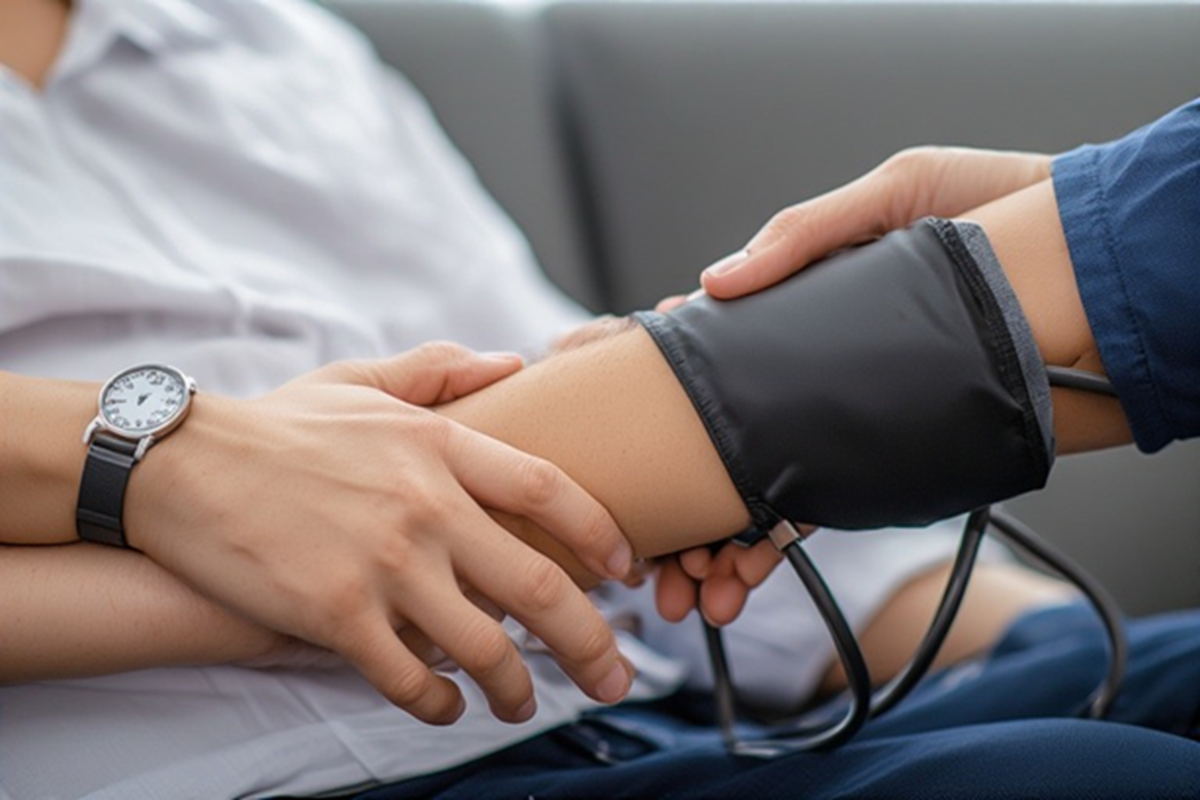
In extreme heat, the body undergoes several reactions to regulate temperature, which directly affect blood pressure. First, excessive sweating leads to dehydration.
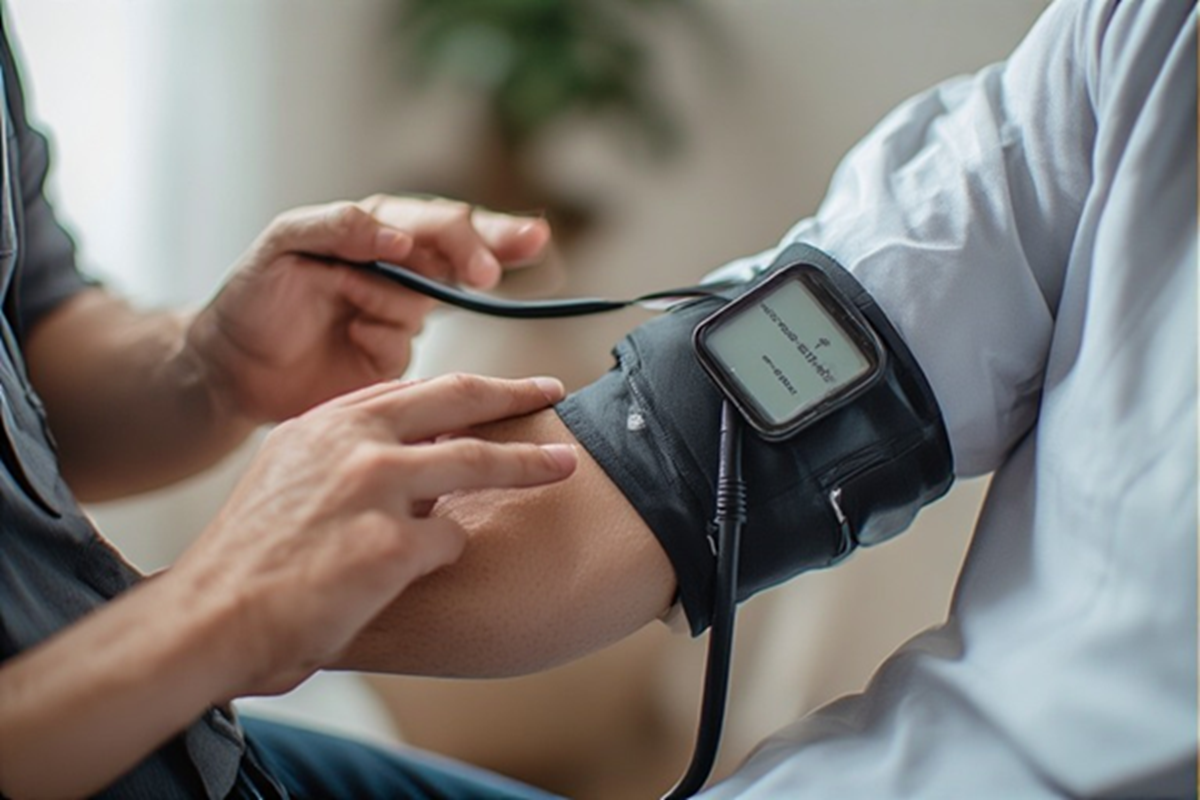
Heat and Blood Pressure: Temperatures are rising steadily in many parts of the country, and this is impacting people's health. Heat is often associated with problems like fatigue, sweating, and dehydration. However, experts say that extreme heat can also directly impact blood pressure. Rising temperatures force the body to work harder to keep itself cool, which alters many bodily processes, affecting blood pressure levels. Experts say that blood pressure typically decreases in summer, but in some cases, it can also suddenly increase, creating a dangerous situation. Therefore, it's crucial to understand these changes and take timely precautions.
How does heat affect blood pressure?
dehydration
In extreme heat, the body undergoes several reactions to regulate temperature, which directly impact blood pressure. First, excessive sweating causes dehydration. When fluids in the body decrease, blood volume also decreases, which can cause blood pressure to drop. In this situation, dizziness or weakness is common.
vasodilation
Additionally, the body's blood cells expand in the heat, which helps keep the body cool. However, this process can also lower blood pressure, especially in people who already have high blood pressure.
Increased heart rate
To maintain proper blood circulation throughout the body, the heart has to beat faster. This puts extra strain on the heart and, if continued for a long time, can lead to heart problems.
stress response
At the same time, in some conditions, extreme heat can also increase stress hormones, which can temporarily increase blood pressure. This is why both high and low blood pressure are often seen in the summer.
Do not ignore these symptoms.
If blood pressure drops during the summer, symptoms like dizziness, weakness, or fainting may appear. Meanwhile, if blood pressure suddenly rises, symptoms like difficulty breathing, chest pain, fatigue, nausea, or blurred vision may appear. Experts say that if you notice these symptoms, you should immediately be alert.