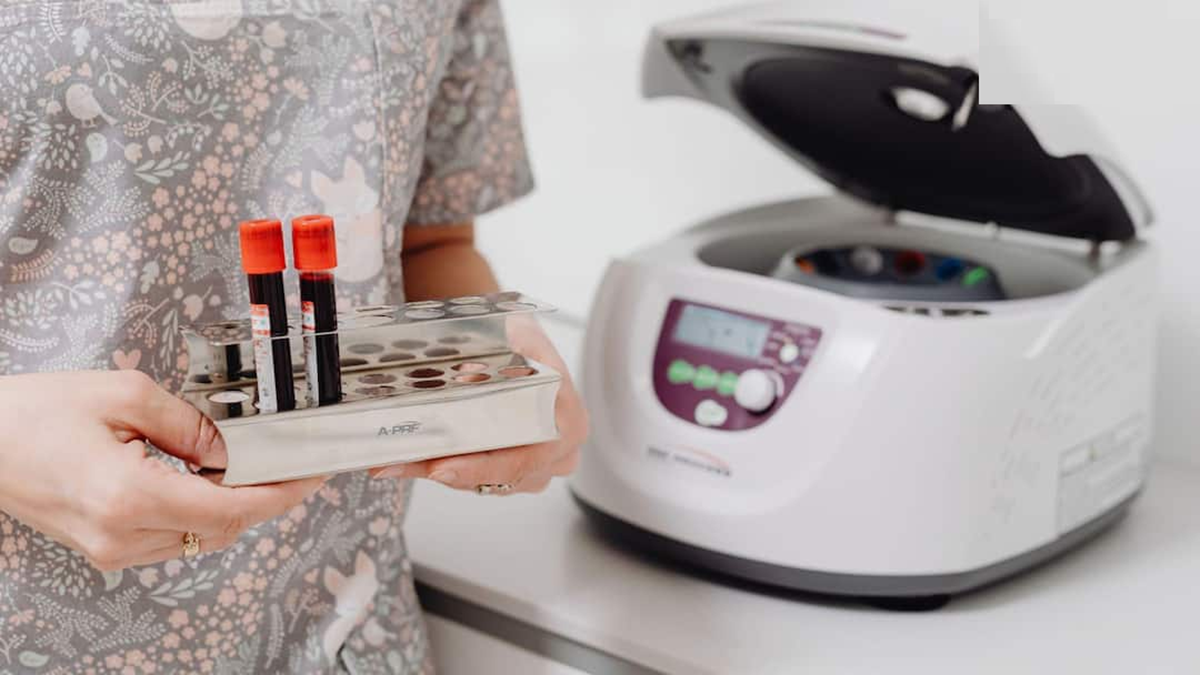
Scientists have identified a new blood group in humans, named "Jama." This discovery is considered significant for blood transfusions and patient treatment.
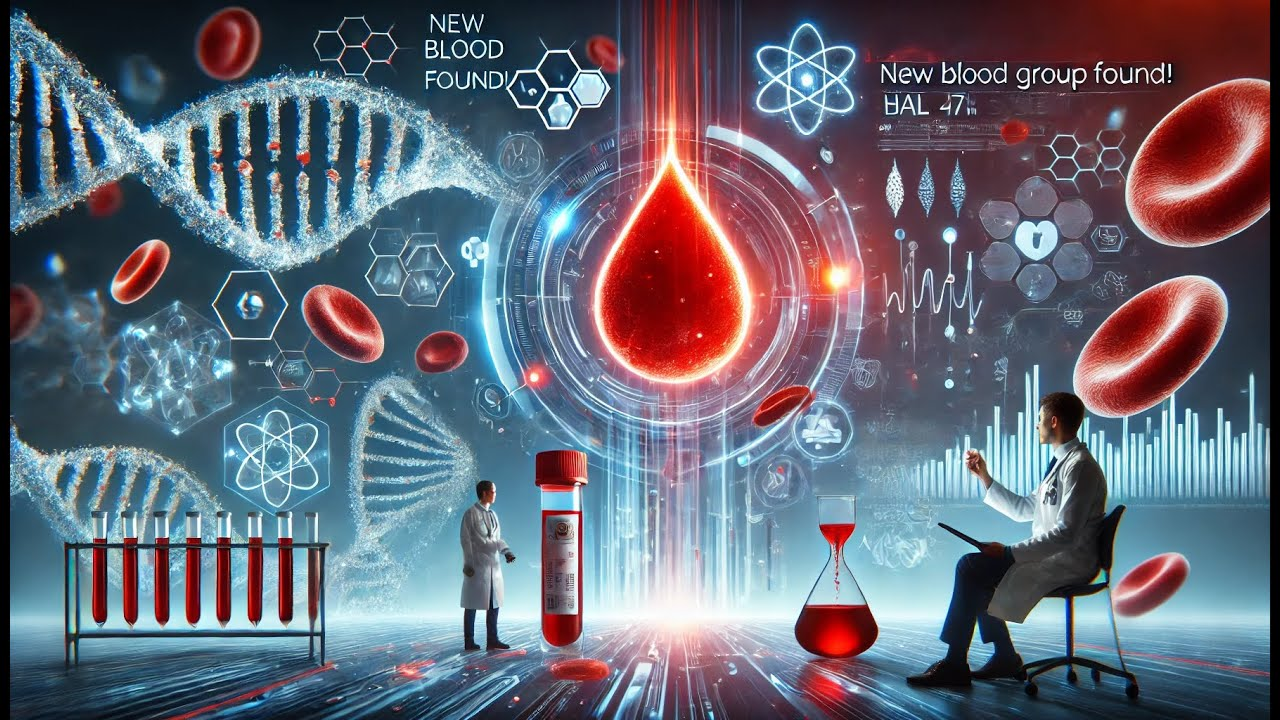
New Jama blood group
The function of blood in our body isn't just to transport oxygen from one part to another. It also helps deliver essential nutrients to cells. When it comes to donating blood, we typically hear about blood types A, B, AB, and O. But human blood is no longer limited to these four blood types. Scientists have identified a new blood group system, named JAMA. The International Society of Blood Transfusion (ISBT) has recognized it as the 49th blood group system. Let's learn more about the JAMA blood group.
How was JAMA blood group discovered?
The JAMA blood group was discovered by a joint team from Britain and Israel. It began by examining the blood of an Israeli female patient and her brother. The woman's body revealed antibodies that reacted with the red blood cells of most people, but this did not happen with the red blood cells of the woman and her brother. This was quite surprising to the scientists, as the antibodies found did not match any previously identified blood group antigens. Following this, the scientists began to investigate the matter in more detail.
Evidence from genetic testing
To understand the whole matter, the DNA of the woman and her brother was also examined. The investigation revealed a specific mutation in a gene called F11R. This gene is involved in the production of a protein called JAM-A in the body. Further investigation by scientists revealed that this protein is normally present on the surface of red blood cells. However, the woman and her brother had a different mutation. This information helped scientists discover a new blood group system.
Is JAMA like common blood types?
It's not correct to think of JAMA as a common blood group like A, B, AB, or O. It's a distinct blood group system. It involves a specific antigen found on most people's red blood cells. However, the woman and her brother tested did not have this antigen on their red blood cells. Consequently, a specific antibody associated with it was found in their blood.
Why is this discovery important in blood transfusion?
This discovery could be of greatest importance during blood transfusions. If a person does not have a specific antigen in their body but has developed antibodies against it, transfusion of the wrong blood can cause a reaction in the body. In such cases, information from the JAMA system could help doctors and blood banks identify the right blood type. This information could be especially important for people with rare blood types.
Why is JAMA special for scientists?
JAMA's discovery is also significant because it reveals how complex human blood group systems are. We typically know of blood groups such as A, B, AB, and O, but there are many different antigens present on the surface of red blood cells. Identifying these antigens could be crucial for safe blood transfusions in specific cases. JAMA is now recognized as the 49th blood group system in the world.