LIFESTYLE
Sanitary Pads Banned Under Kim Jong Un’s Rule — What North Korean Women Use Instead During Periods
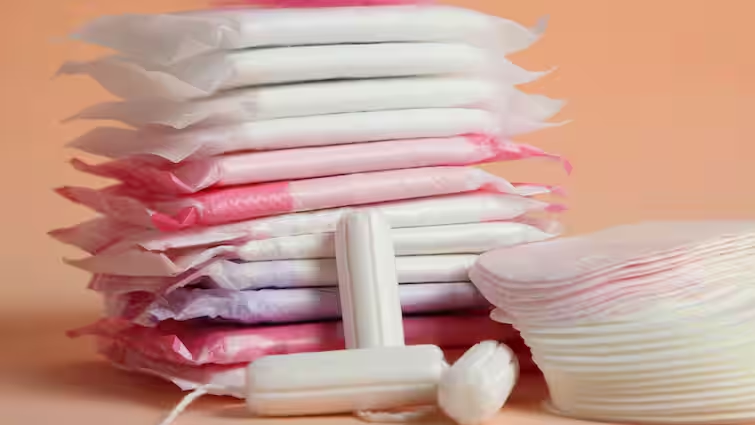
When it comes to bizarre and extreme laws, North Korea consistently tops the list. Governed by authoritarian leader Kim Jong Un, the country is known for its strict, often controversial regulations that impact nearly every aspect of daily life — including women’s menstrual hygiene. In a surprising and disturbing reality, sanitary pads and tampons are banned in North Korea, forcing women to rely on outdated and less hygienic alternatives.
What Women Use Instead of Sanitary Pads
In most parts of the world, women can choose from a variety of menstrual hygiene products like sanitary napkins, tampons, menstrual cups, and period underwear — all designed to make menstruation manageable and hygienic. But in North Korea, none of these modern options are legally available.
Due to government restrictions, sanitary pads are not sold in stores, and importing them is also strictly prohibited. As a result, North Korean women are left to use reusable cloth pads or washable rags, similar to what was commonly used decades ago. These must be cleaned and reused each month — a method that is less hygienic, less convenient, and often leads to infections or health complications, especially without proper sanitation.
Not Just Pads — Condoms and Clothes Are Also Regulated
This is just one of many repressive rules enforced in the country. Condoms are also banned, and there is little to no access to sexual health education or products. Additionally, a strict dress code governs women’s clothing. While skirts and trousers are allowed, they must not go above the knees. Blue jeans are completely banned, as are freely chosen hairstyles.
Controlled Media and Religious Persecution
The government’s control doesn’t stop at personal hygiene or fashion. There are only three government-run TV channels in North Korea, and all media is strictly censored. Religious texts like the Bible are banned, and practicing religion publicly can lead to execution. Freedom of speech, choice, and expression are virtually nonexistent.
A Stark Contrast to the Rest of the World
From an Indian or global perspective, where menstrual health is slowly becoming less taboo and more openly discussed, this situation highlights a massive gap in gender rights and healthcare access. While much of the world is advocating for free and accessible menstrual products, North Korean women are stuck in conditions reminiscent of the past, deprived of basic rights and choices.