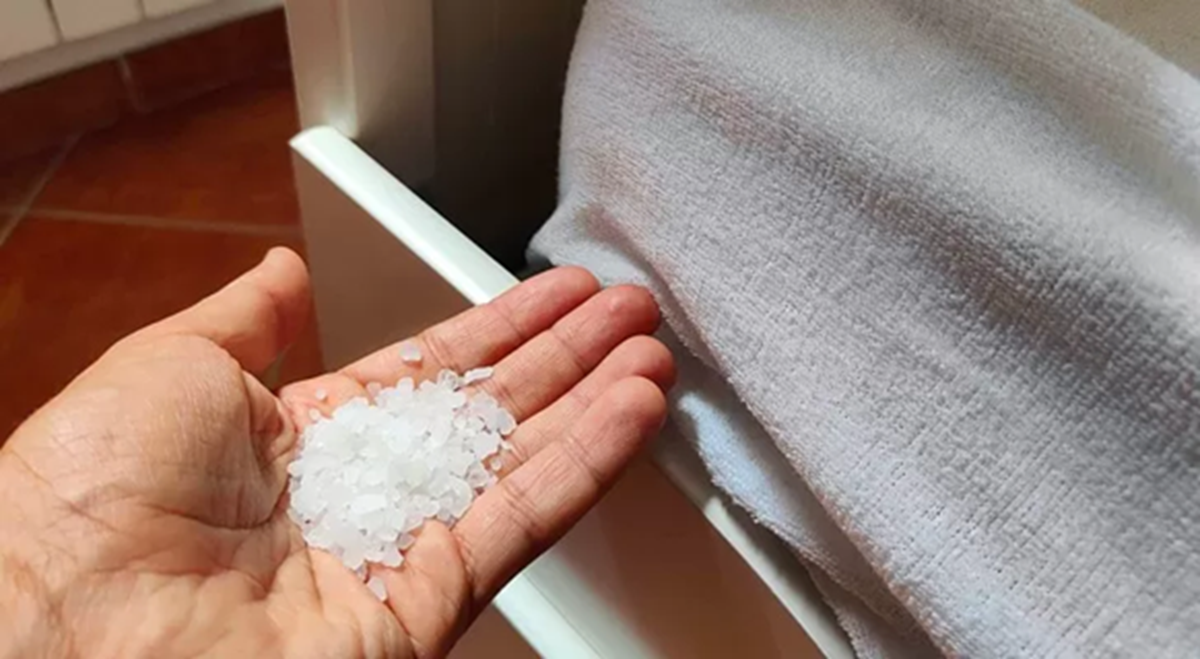
Humidity and Salt: A common kitchen problem in almost every household. Upon opening the salt and sugar containers, we discover that both are filled with moisture. Sometimes, the salt becomes so clumpy.
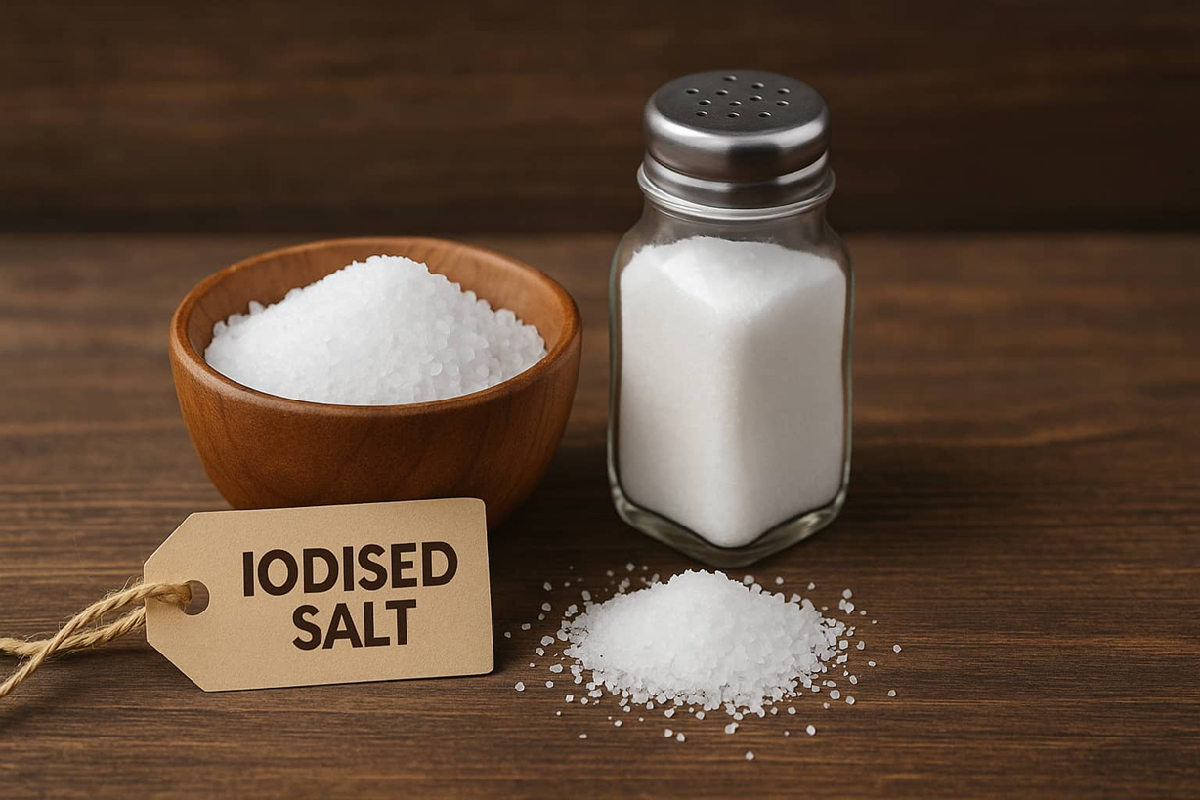
Why does salt get wet in the rain?
How to Keep Salt Dry in Monsoon : With the arrival of the rainy season, a kitchen problem arises in almost every household. Opening the salt and sugar containers reveals moisture in both. Sometimes, the salt becomes so sticky that it's difficult to remove it with a spoon. This begs the question: why does salt get soggy so quickly during the rainy season, and what's the easiest way to prevent this?
In fact, the biggest reason for this is increased humidity in the air. Humidity in the atmosphere increases significantly during the monsoon. Salt's unique ability is that it easily attracts moisture from the air. This is why it becomes wet and begins to solidify within a few days. However, this problem can be largely avoided by adopting some simple home remedies.
After all, why does salt get wet in the rain?
During the rainy season , the amount of water in the air is much higher than on normal days. The salt particles rapidly absorb this moisture. When the container is opened repeatedly, moisture enters, gradually making the salt wet. This problem is further exacerbated if the container is not properly sealed or if it is stored in a humid area.
Keep some rice in the salt box
The easiest and oldest method for keeping salt dry during the rainy season is to add a few grains of rice to it. Rice naturally absorbs excess moisture, helping the salt stay dry for longer. If the salt container is small, you can simply add a few grains directly. However, in larger containers, it's better to keep the rice wrapped in a small cloth or paper pouch.
Coffee beans can also be useful
If you have coffee beans at home, they can also be used. Coffee beans help absorb excess moisture from the air. Fortunately, they don't significantly affect the taste of salt or sugar.
Cloves can also be used
Cloves not only enhance the flavor of food, but also serve a variety of small kitchen needs. They can help reduce moisture. However, the strong aroma of cloves can bleed into salt or sugar. Therefore, it's best to wrap the cloves in a clean cloth and store them in a container.
Kidney beans are also effective
Few people know that a few dried kidney beans also act as a moisture absorbent. This is why many people add a few kidney beans to containers of salt and sugar during the monsoon season. This helps reduce the chance of moisture buildup.
Keep the salt box in the right place
Not only home remedies but also the storage location play an important role in preserving salt. Always keep salt and sugar containers in a cool, dry, and well-ventilated area. Avoid placing them near a gas stove, sink, window, or any other area where there is a lot of steam or moisture. Steam from cooking can also gradually increase the moisture content of the salt.
Use an airtight container
If you want to keep salt dry for a long time, always use a good quality airtight container. After opening the container, seal it tightly immediately. This will prevent moisture from entering the container and prevent the salt from spoiling quickly.
Avoid wet spoons
Sometimes, in a hurry, people put a wet or slightly damp spoon into the salt container. This also increases the moisture content of the salt and causes it to set faster. Therefore, always use a completely dry spoon.