NEWS
Sales of instant food are booming not only in Delhi-NCR, Mumbai-Bengaluru, but also in smaller cities.
This trend is not limited to just big metros, but is also clearly visible in cities like Hyderabad, Kolkata, and Chennai, as well as tier-2 and tier-3 cities like Sonipat and Panaji.
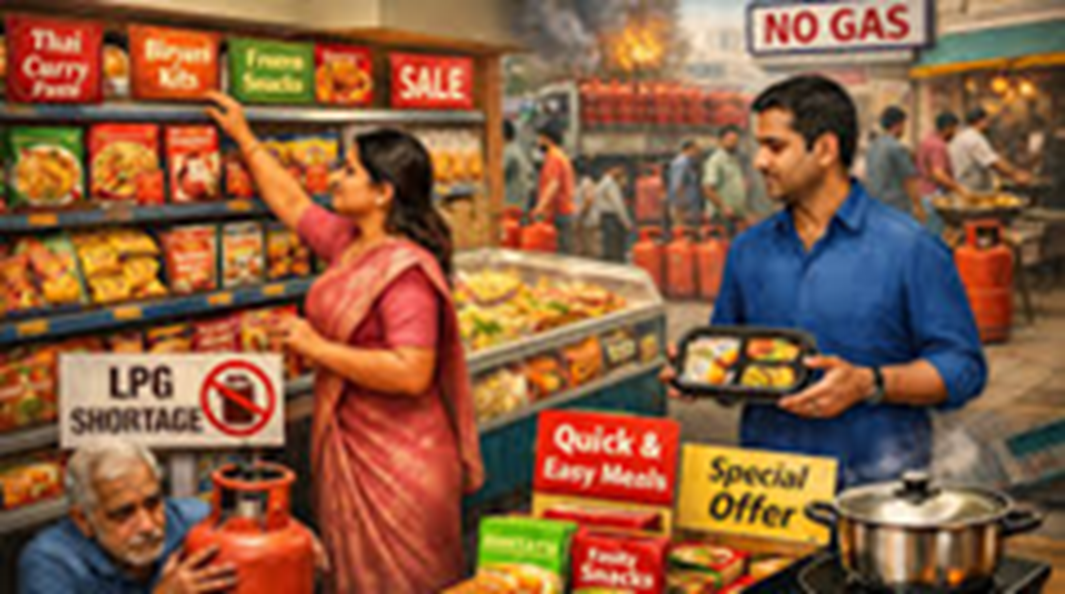
Demand for packaged food rises amid LPG crisis.
LPG Crisis: The impact of the LPG supply crisis in the country is now directly affecting kitchens and consumer behavior. Amid the uncertain availability of gas cylinders, people are increasingly turning to ready-to-eat and packaged foods. According to e-commerce giant Amazon India, categories like instant noodles, packaged meals, snacks, and beverages have seen growth of over 15 percent on its platform.
The company says this trend isn't limited to major metros, but is also evident in cities like Hyderabad, Kolkata, and Chennai, as well as tier-2 and tier-3 cities like Sonipat and Panaji. An Amazon India spokesperson said, "Over the past few weeks, we've seen a steady increase in demand for ready-to-consume meal solutions that require minimal preparation time. Categories like instant noodles, packaged meals, snacks, and beverages are registering over 15 percent growth on Amazon.in."
Quick commerce increased the trend.
This shift has had the biggest impact on Amazon's instant commerce service, Amazon Now. Sales of ready-to-eat and packaged food have grown by nearly 20 percent month-over-month. Customers, especially in Delhi-NCR, Mumbai, and certain areas of Bengaluru, are increasingly relying on fast delivery options.
However, this shift isn't limited to instant shopping. According to Amazon, people are still making planned purchases of essential groceries like staples, cooking oil, dried fruits, and beverages. This means that consumer behavior is simultaneously balancing "instant convenience" and "essential stocking."
Keeping this trend in mind, Amazon India has launched 'Ready to Eat Store', where ready-to-eat food options from different brands are made available in one place.
The major reason for the LPG crisis
In fact, rising tensions in West Asia and supply chain disruptions are believed to be the primary reasons behind this trend. According to preliminary industry data, LPG consumption in India fell by 17.7 percent in the first fortnight of March. Total consumption during this period was 1.147 million tons, a 17.3 percent drop compared to the same period last year and a 26.3 percent drop compared to the first fortnight of February.
India imports about 60% of its LPG needs, a large portion of which passes through the Strait of Hormuz. Iran's response to the US and Israeli attacks effectively blocked this route, impacting supplies.
Government assurance
Meanwhile, the central government has taken steps to provide relief to domestic consumers. Sujata Sharma, joint secretary in the Ministry of Petroleum and Natural Gas, said, “The situation remains a matter of concern, but we are supplying domestic consumers as usual.”
He said refineries have been instructed to increase domestic production and prioritize it for home kitchens. Initially, LPG supplies for commercial use, such as hotels and restaurants, were reduced, but were later restored to about one-fifth of normal consumption.
changing consumer trends
Analysts believe that if the LPG supply crisis continues, this trend toward ready-to-eat and instant food could accelerate. This will not only impact the business models of e-commerce companies but could also lead to permanent changes in eating habits in the country. Currently, amid the gas crisis and kitchen challenges, "instant convenience" appears to be the new go-to option for consumers.