FOOD & RECIPE
Rice Cooking Tips: Why does rice burn at the bottom of the pot? Note this 5-minute trick.
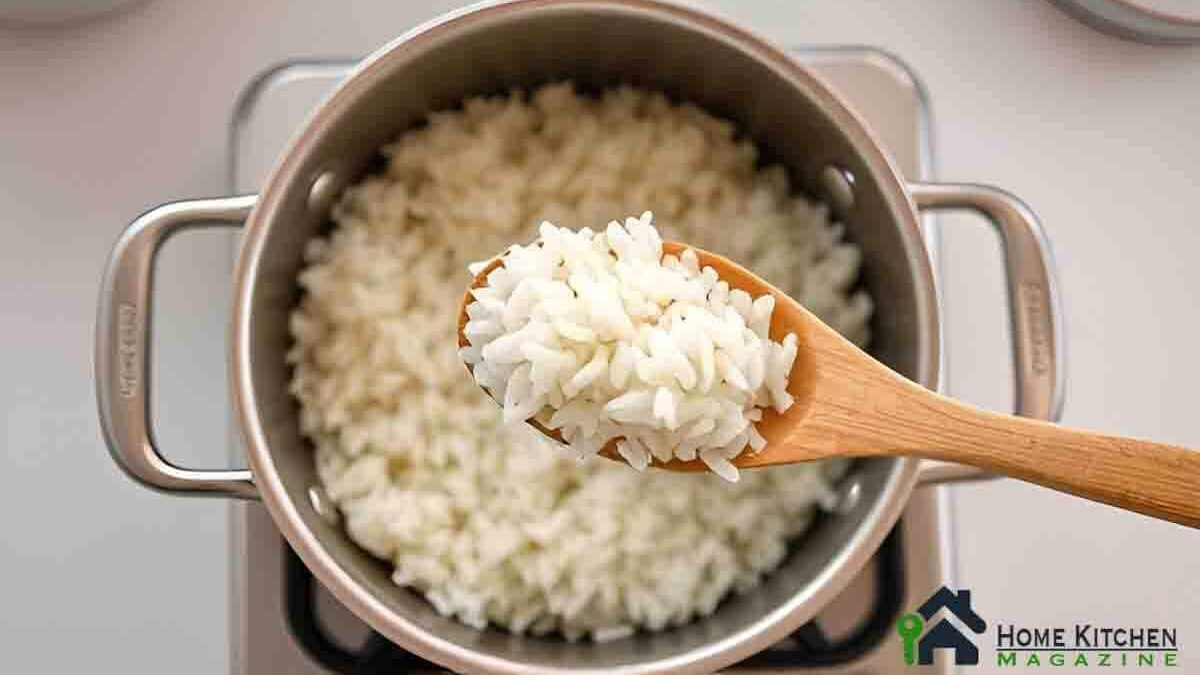
Rice Tips: Many people start by setting the heat on high from the beginning to cook the rice faster. If the heat isn't reduced even after the water boils, the water at the bottom of the pot will dry out quickly.
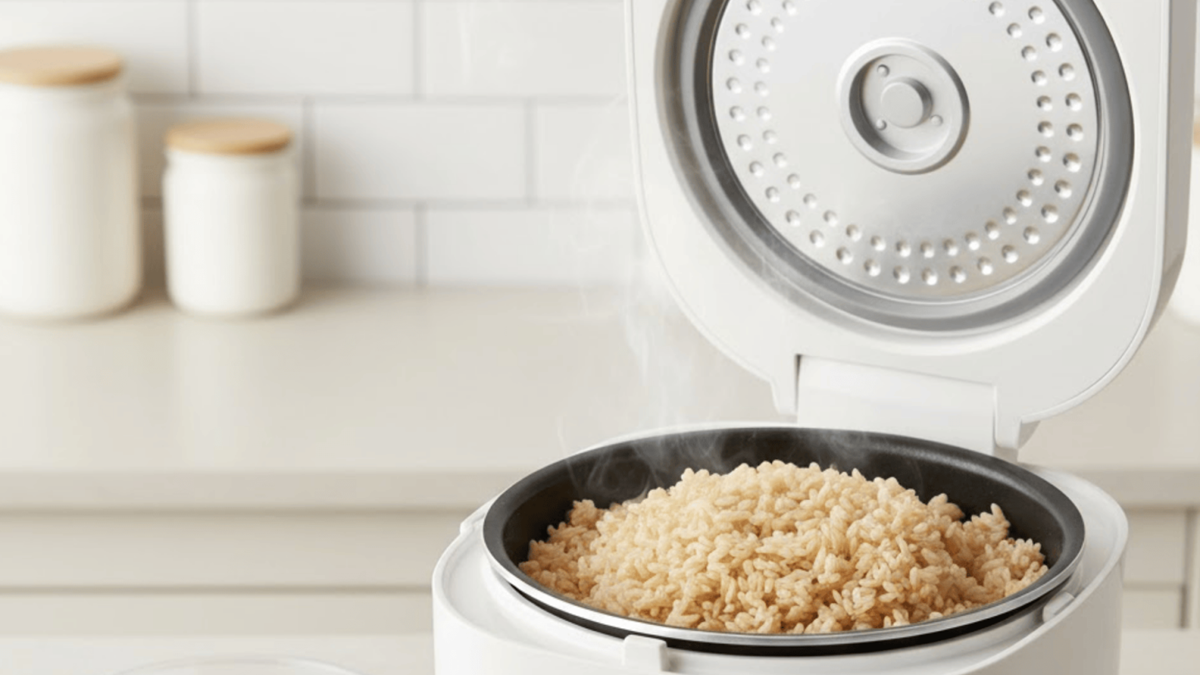
Why does rice burn at the bottom of the pot?
How to Prevent Rice from Burning at the Bottom: When you cook rice, the rice at the bottom of the pot always burns, which can be quite frustrating. The rice on top may cook properly, but the burnt rice stuck to the bottom of the pot ruins all the effort. Sometimes, the burning can also cause the rice to emit a strange smell. If this happens to you, there's no need to always blame the pot or the rice. Some minor mistakes in cooking the rice could be the cause.
The most common cause of rice burning at the bottom is high heat. Many people cook the rice quickly by setting it on high heat from the start. If the heat isn't reduced even after the water boils, the water at the bottom of the pot begins to dry out rapidly. Before the rice grains can fully absorb the water, the bottom of the pot becomes too hot, causing the rice to stick and burn.
Therefore, when cooking rice, it's crucial to pay attention to the heat. Once the water is boiling, reduce the heat. It's better to cook the rice on low heat rather than constantly simmering it on high heat. Cover the lid and let the rice cook in its own steam. This ensures more even cooking on the top and bottom.
Choosing the right utensils is also important.
If you cook rice in a vessel with a very thin bottom, the rice may burn at the bottom. A thin vessel may concentrate the heat of the gas directly on one part of the bottom, causing excessive heat in certain areas, which can cause the rice to stick. Use a vessel with a thick bottom for cooking rice. This helps distribute the heat more evenly, reducing the chance of any one part of the rice becoming overheated.
Lack of water can also be the reason
The correct ratio of rice to water is also crucial. Adding too little water can cause the rice to evaporate before it's fully cooked. This can then cause the grains at the bottom to burn upon contact with the hot pot. However, the amount of water isn't the same for every type of rice. Basmati rice, long-grain rice, and other rice varieties may require different amounts of water. Therefore, it's important to adjust the amount of water according to the type of rice. Adding too much water can make the rice sticky, while adding too little water can leave it undercooked and cause the bottom to burn.
Do not open the lid frequently while cooking rice.
Lifting the lid repeatedly to check on the rice while it's cooking isn't the right approach. Opening the lid allows the steam to escape. Rice cooks well not just with water, but also with this steam. If the rice isn't fully cooked on top after repeatedly opening the lid, you may need to keep it on the stove for longer. This could cause the bottom to overheat and burn. Therefore, cook the rice covered and avoid checking or stirring it frequently.
Wash and cook the rice
Rinsing rice thoroughly before cooking is also an important step. Raw rice has excess starch on its surface. Cooking without rinsing can result in a thicker, stickier rice. This can cause the rice to stick together and stick to the bottom of the pot more easily. Rinse the rice with clean water until the water appears much clearer than before. Then, drain the excess water and cook the rice.
Finally, try this method.
If you want to prevent the rice from burning at the bottom, try a simple method. First, wash the rice thoroughly. Then, add the appropriate amount of water and place it in a thick-bottomed pot. Initially, you can heat the rice over high heat until it boils. Once the water starts boiling, reduce the heat to the lowest setting and cover it. Then, let the rice cook without stirring frequently. When the water is almost completely absorbed, turn off the heat and do not remove the lid immediately. Let the rice sit covered for about 10 minutes. The remaining steam will help cook the rice thoroughly and improve the texture of the grains.