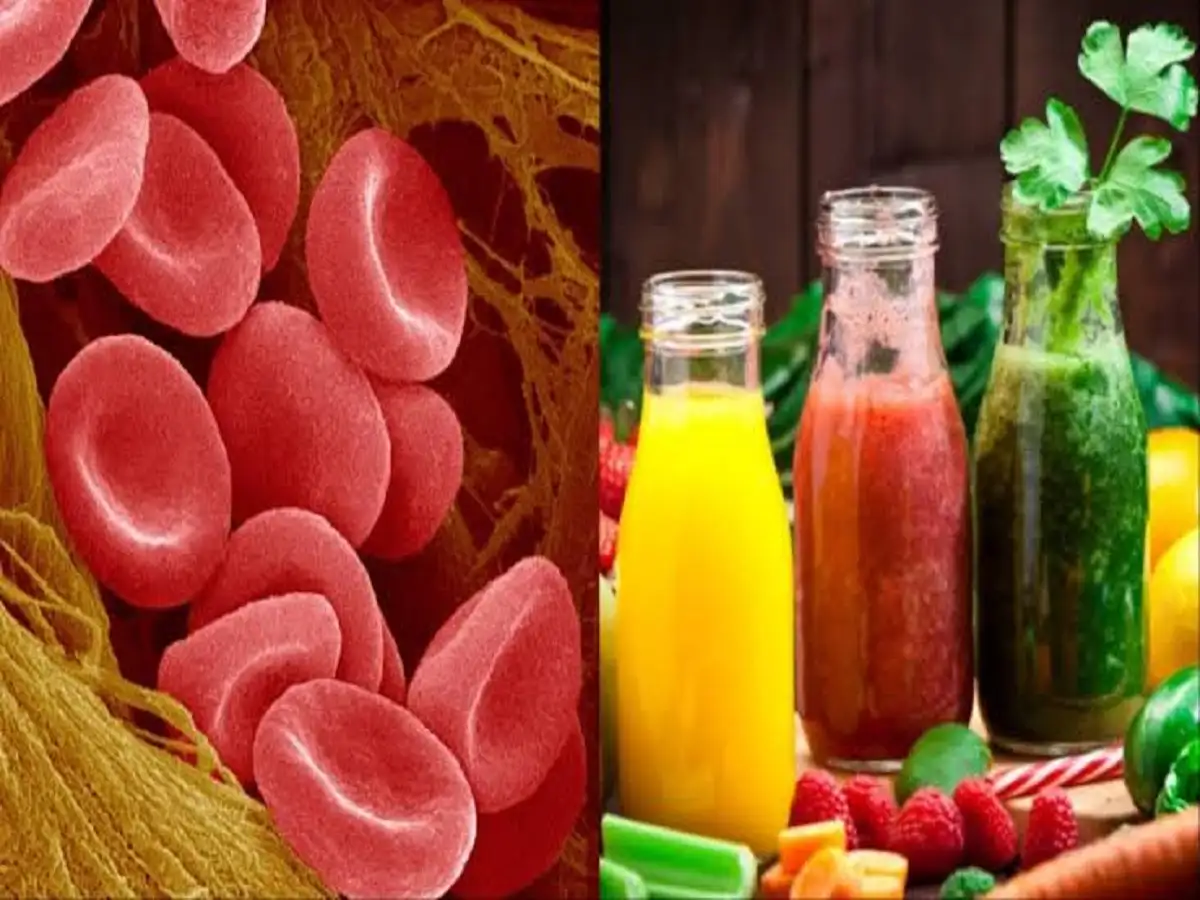
Feeling tired due to low hemoglobin is a common health concern, but if you experience recurrent anemia despite treatment, the underlying cause may not always be iron deficiency. In some cases, persistent anemia can be linked to thalassemia, an inherited blood disorder that affects the body's ability to produce healthy hemoglobin.
Understanding the difference between common anemia and thalassemia is important because early diagnosis can help prevent complications and improve long-term health outcomes. Here's what you need to know about the condition, its symptoms, risk factors, and when to seek medical advice.
What Is Thalassemia?
Thalassemia is a genetic blood disorder that is passed from parents to their children. People with thalassemia produce either too little or an abnormal form of hemoglobin, the protein in red blood cells responsible for carrying oxygen throughout the body.
When hemoglobin production is affected, the body cannot make enough healthy red blood cells, leading to chronic anemia. Depending on the type and severity, the condition can range from mild to life-threatening.
Unlike iron-deficiency anemia, thalassemia cannot be corrected simply by taking iron supplements unless iron deficiency is also present.
Common Symptoms of Thalassemia
The severity of symptoms varies depending on whether a person has thalassemia trait (carrier), thalassemia intermedia, or thalassemia major. Some people may have very mild symptoms, while others develop noticeable health problems during childhood.
Common signs include:
- Frequent or persistent anemia.
- Constant fatigue and weakness.
- Pale or yellowish skin.
- Shortness of breath during routine activities.
- Frequent dizziness or lightheadedness.
- Slow growth and delayed development in children.
- Yellowing of the eyes or skin (jaundice).
- Bone deformities or facial bone changes in severe cases.
- Enlarged spleen in some individuals.
If anemia keeps returning even after treatment, further evaluation may be needed to identify the underlying cause.
Thalassemia vs. Iron-Deficiency Anemia
Although both conditions can cause low hemoglobin levels, they are fundamentally different.
| Iron-Deficiency Anemia | Thalassemia |
|---|---|
| Usually caused by inadequate iron intake, blood loss, or poor absorption | Caused by inherited genetic mutations affecting hemoglobin production |
| Often improves with iron supplementation | Does not improve with iron alone unless iron deficiency also exists |
| Can develop at any age | Usually inherited and may be present from birth |
| Often linked to nutritional deficiencies | Often associated with a family history of the disorder |
Because the symptoms may overlap, laboratory testing is essential for an accurate diagnosis.
Who Is at Higher Risk?
Some people are more likely to have thalassemia because of their family history or genetic background.
You may be at higher risk if:
- One or both parents are carriers of thalassemia.
- There is a family history of the condition.
- You or your partner have previously been identified as a thalassemia carrier.
- You are planning a pregnancy and have a family history of inherited blood disorders.
Genetic counseling and carrier screening are often recommended for couples with an increased risk of passing the condition to their children.
How Is Thalassemia Diagnosed?
Doctors may recommend several tests if recurrent anemia does not respond to standard treatment.
These may include:
- Complete blood count (CBC).
- Peripheral blood smear.
- Iron studies to rule out iron deficiency.
- Hemoglobin electrophoresis or high-performance liquid chromatography (HPLC).
- Genetic testing in selected cases.
These tests help determine whether anemia is caused by thalassemia or another medical condition.
When Should You Consult a Doctor?
Medical evaluation is important if you experience:
- Repeated episodes of anemia.
- Persistent fatigue despite treatment.
- Pale skin or frequent dizziness.
- Shortness of breath during normal daily activities.
- Low hemoglobin levels that do not improve.
- A family history of thalassemia or inherited blood disorders.
Early diagnosis allows doctors to recommend appropriate monitoring and treatment based on the type and severity of the condition.
Can Thalassemia Be Treated?
Treatment depends on the severity of the disease.
People with mild thalassemia trait often require little or no treatment, while those with more severe forms may need:
- Regular blood transfusions.
- Folic acid supplementation when recommended.
- Iron-chelation therapy for patients receiving repeated transfusions.
- Ongoing monitoring by a hematologist.
- Bone marrow or stem cell transplantation in selected severe cases.
Treatment plans should always be individualized under medical supervision.
The Bottom Line
Repeated anemia is not always caused by iron deficiency. In some cases, it may be a sign of thalassemia, an inherited blood disorder that affects hemoglobin production. Symptoms such as persistent fatigue, pale skin, dizziness, shortness of breath, or anemia that does not improve with treatment should not be ignored.
If you have recurrent anemia or a family history of thalassemia, consult a healthcare professional. Proper blood tests and screening can identify the underlying cause and ensure timely treatment, helping prevent complications and improve quality of life.