LIFESTYLE
Recurring Dandruff? Common Causes, Effective Treatments, and Hair Care Tips You Should Know
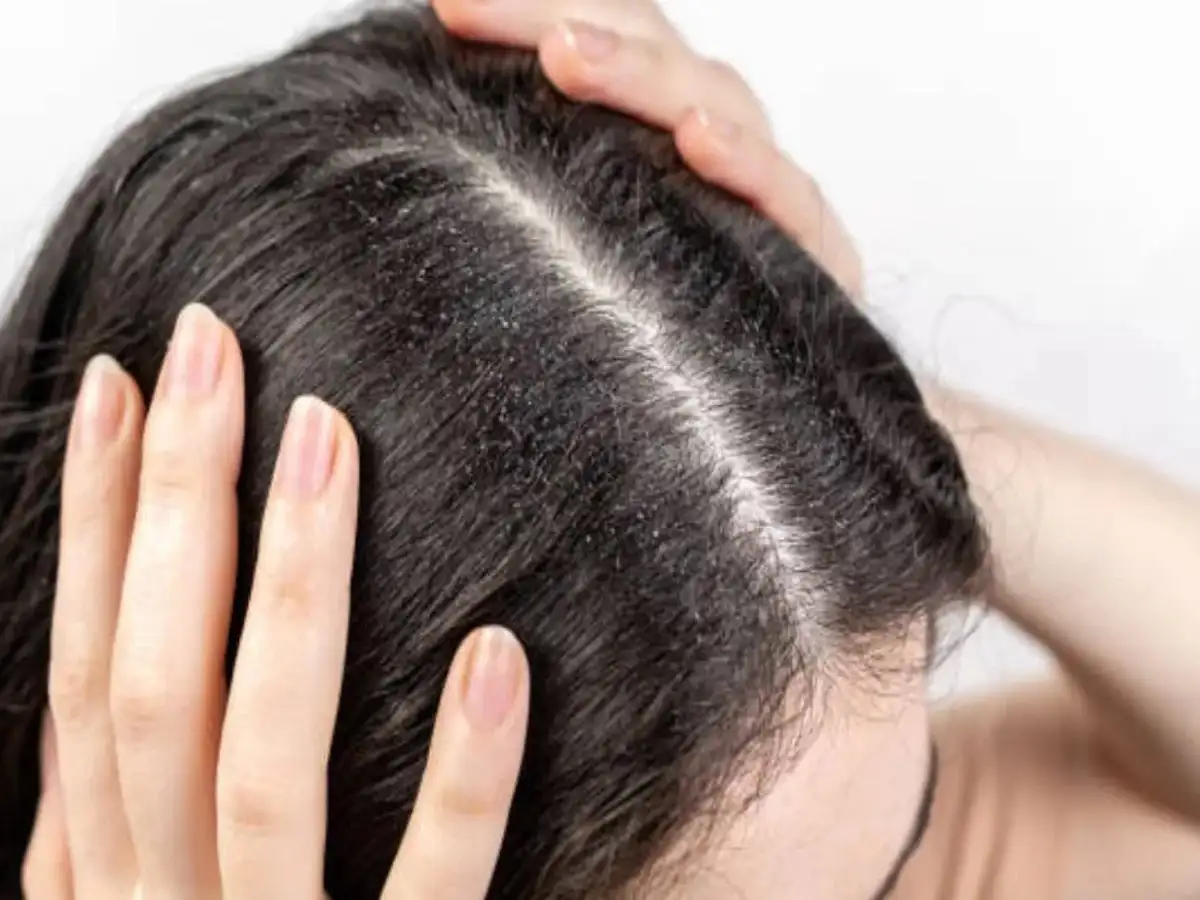
Dandruff is one of the most common scalp problems, especially during the monsoon season when increased humidity, sweat, and excess oil production can create the perfect environment for scalp irritation. While many people consider dandruff to be only a cosmetic concern, persistent flakes can also lead to itching, redness, scalp inflammation, and, in some cases, increased hair fall if left untreated.
The good news is that recurring dandruff can often be managed with the right hair care routine and proper scalp hygiene. Here's everything you need to know about its causes, common mistakes, and effective ways to keep your scalp healthy.
Why Does Dandruff Keep Coming Back?
Dandruff may disappear for a while but often returns if the underlying cause isn't addressed. In many cases, recurring dandruff is linked to excess oil on the scalp, a naturally occurring yeast called Malassezia, improper scalp care, or certain skin conditions.
Common symptoms include:
- White or yellow flakes on the scalp and hair.
- Persistent itching.
- Scalp irritation or burning sensation.
- Redness caused by excessive scratching.
- Small sores or inflammation in severe cases.
- Increased hair breakage and temporary hair shedding.
Simply changing shampoos or relying on home remedies may not solve the underlying problem, especially if dandruff is caused by a medical condition.
Common Mistakes That Can Make Dandruff Worse
Many people unknowingly follow habits that allow dandruff to return repeatedly.
Some of the most common mistakes include:
- Stopping anti-dandruff shampoo as soon as symptoms improve.
- Washing the shampoo off too quickly without allowing it enough contact time on the scalp.
- Cleaning only the hair instead of thoroughly washing the scalp.
- Using excessive hair oil, styling gels, sprays, or waxes that build up on the scalp.
- Scratching the scalp frequently, which can worsen irritation and inflammation.
- Constantly switching between different shampoos without identifying the actual cause of dandruff.
Correcting these habits can make treatment much more effective.
How to Treat Dandruff Effectively
A consistent hair care routine is one of the best ways to reduce dandruff and improve overall scalp health.
Experts generally recommend:
- Use an anti-dandruff shampoo as directed.
- Apply the shampoo directly to the scalp rather than just the hair.
- Leave the shampoo on the scalp for several minutes before rinsing to allow the active ingredients to work.
- Wash your hair regularly to remove excess oil, sweat, and dirt.
- Avoid excessive use of hair oils and heavy styling products if they worsen your scalp condition.
- Eat a balanced diet rich in vitamins, minerals, zinc, and omega-3 fatty acids to support healthy skin and hair.
- Manage stress through exercise, meditation, or adequate sleep, as stress may trigger or worsen dandruff in some people.
If dandruff continues despite using medicated shampoo correctly for several weeks, consult a dermatologist instead of repeatedly changing products.
When Should You See a Dermatologist?
While mild dandruff often improves with over-the-counter treatments, medical advice may be necessary if you experience:
- Persistent dandruff lasting several weeks.
- Severe itching or pain.
- Red, swollen, or inflamed scalp.
- Thick yellow scales.
- Noticeable hair loss.
- Symptoms that do not improve after regular use of anti-dandruff shampoo.
A dermatologist can determine whether the condition is simple dandruff or another scalp disorder such as seborrheic dermatitis, psoriasis, eczema, or a fungal infection.
Tips to Maintain a Healthy Scalp
Preventing dandruff often requires long-term scalp care rather than temporary treatment.
Healthy habits include:
- Wash your hair regularly according to your hair type.
- Keep your scalp clean and free from product buildup.
- Avoid sharing combs, brushes, or towels.
- Protect your scalp from excessive sweat and humidity.
- Follow a nutritious diet and stay hydrated.
- Get adequate sleep and manage daily stress.
Maintaining these habits can reduce the chances of dandruff returning.
Can Dandruff Cause Hair Loss?
Dandruff itself does not permanently damage hair follicles. However, severe itching and repeated scratching can weaken hair roots, increase hair breakage, and lead to temporary hair shedding. Treating the underlying scalp condition usually helps reduce this type of hair fall.
The Bottom Line
Recurring dandruff is more than just a cosmetic nuisance—it can affect scalp health, cause discomfort, and contribute to temporary hair loss if ignored. The condition is often triggered by excess oil, scalp irritation, poor hair care habits, or underlying skin conditions.
Using an anti-dandruff shampoo correctly, maintaining good scalp hygiene, avoiding unnecessary product buildup, and seeking medical advice when symptoms persist are the most effective ways to keep dandruff under control and maintain healthy hair.