As digital banking becomes an essential part of everyday life, cybercriminals are finding increasingly sophisticated ways to target unsuspecting users. From online payments and mobile banking to savings accounts and digital wallets, financial transactions are now more convenient than ever—but they have also become a prime target for scammers.
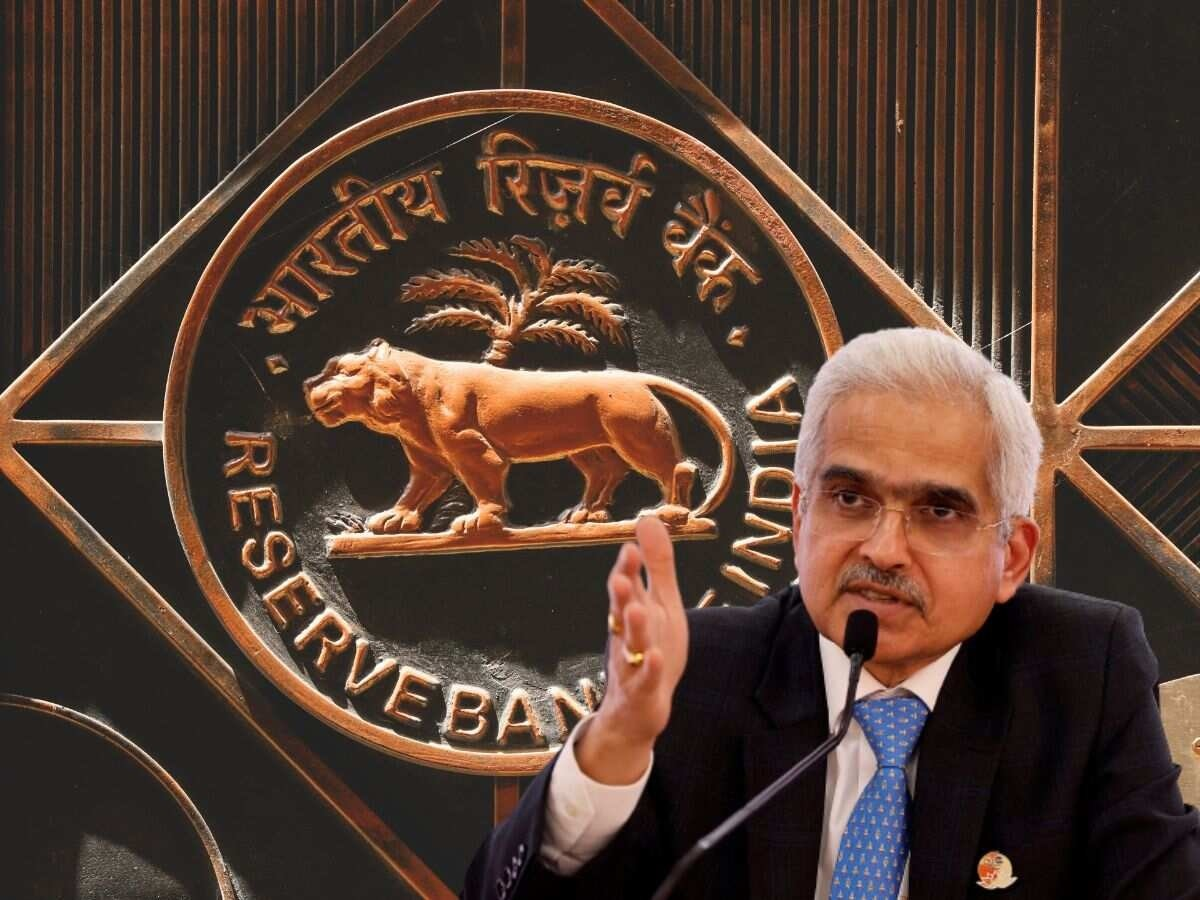
A new WhatsApp scam circulating across the country is falsely using the name of the Reserve Bank of India (RBI) to trick people into sharing sensitive banking information and installing malicious software on their devices.
Here's everything you need to know to protect yourself from this dangerous fraud.
Fake RBI Messages Are Creating Panic Among Users
Many people have reported receiving alarming WhatsApp messages claiming to be from the Reserve Bank of India.
These messages typically warn users that suspicious transactions have been detected in their bank accounts and that their accounts may soon be blocked or frozen.
To avoid this supposed action, recipients are instructed to download an attached APK file or provide personal banking details for verification.
The message is designed to create fear and urgency, encouraging users to act quickly without verifying the information.
What Does the Scam Message Claim?
The fraudulent message generally includes statements such as:
- Your bank account has been flagged for suspicious activity.
- RBI has detected unauthorized transactions.
- Your account will be blocked within a few hours.
- Immediate verification is required.
- Download the attached application to secure your account.
The message often contains a link or APK file that users are asked to install on their smartphones.
Cybersecurity experts warn that these files can contain malware capable of stealing passwords, OTPs, banking credentials, and other sensitive information.
PIB Fact Check Confirms the Message Is Fake
Following multiple complaints from citizens, the Press Information Bureau's fact-checking unit investigated the viral message.
The government agency confirmed that the WhatsApp alert is completely fake and has no connection with the Reserve Bank of India.
PIB Fact Check also shared screenshots of the fraudulent message and urged citizens not to trust or forward such content.
According to the agency, fraudsters are using the RBI's name to gain the trust of users and trick them into compromising their personal and financial security.
Why APK Files Are Dangerous
Unlike applications downloaded from official app stores, APK files obtained through WhatsApp messages, SMS links, or unknown websites can pose serious security risks.
Malicious APK files may:
- Steal banking credentials.
- Access OTP messages.
- Record keystrokes.
- Monitor device activity.
- Gain control of your smartphone.
- Install additional malware without permission.
Once installed, users may unknowingly grant attackers access to sensitive financial data.
What RBI and PIB Have Advised
Authorities have issued several important safety recommendations for the public.
Never Download Unknown APK Files
Avoid installing applications received through WhatsApp, SMS, email, or social media unless they come from a verified and trusted source.
Do Not Share Banking Information
Never disclose:
- Bank account numbers
- Debit or credit card details
- CVV numbers
- Internet banking passwords
- UPI PINs
- OTPs
No legitimate authority, including RBI, will ask for these details through WhatsApp.
Avoid Clicking Suspicious Links
Fraudulent links may lead to fake banking websites designed to steal user credentials.
Always verify website addresses before entering any sensitive information.
How RBI Officially Communicates
The Reserve Bank of India does not randomly send account-blocking notices through unofficial WhatsApp messages.
Authorities have clarified that RBI communicates through official channels and verified accounts only.
Users should be cautious of any message that:
- Creates panic.
- Demands urgent action.
- Requests personal information.
- Asks for software installation.
- Promises account activation or verification.
These are common signs of a phishing or malware scam.
Warning Signs of a Banking Scam
You should immediately become suspicious if a message:
- Claims your account will be blocked soon.
- Requests OTPs or passwords.
- Includes APK downloads.
- Uses poor grammar or unusual formatting.
- Creates pressure to act immediately.
- Comes from an unknown number.
Cybercriminals often rely on fear and urgency to manipulate victims.
What To Do If You Receive Such a Message
If you receive a suspicious RBI-related WhatsApp message:
- Do not click any links.
- Do not download attachments.
- Do not share personal information.
- Block the sender.
- Report the message to WhatsApp.
- Verify information through official RBI or bank channels.
- Delete the message immediately.
If you have already installed a suspicious APK file, contact your bank immediately, change passwords, and run a complete security scan on your device.
Final Thoughts
Cyber fraudsters are constantly evolving their tactics, and the latest fake RBI WhatsApp alert is another example of how scammers exploit trust in well-known institutions. Remember that the Reserve Bank of India will never ask you to install unknown applications or share confidential banking details through WhatsApp.
Staying alert, avoiding suspicious links, and verifying information through official sources remain the best defenses against digital banking scams.