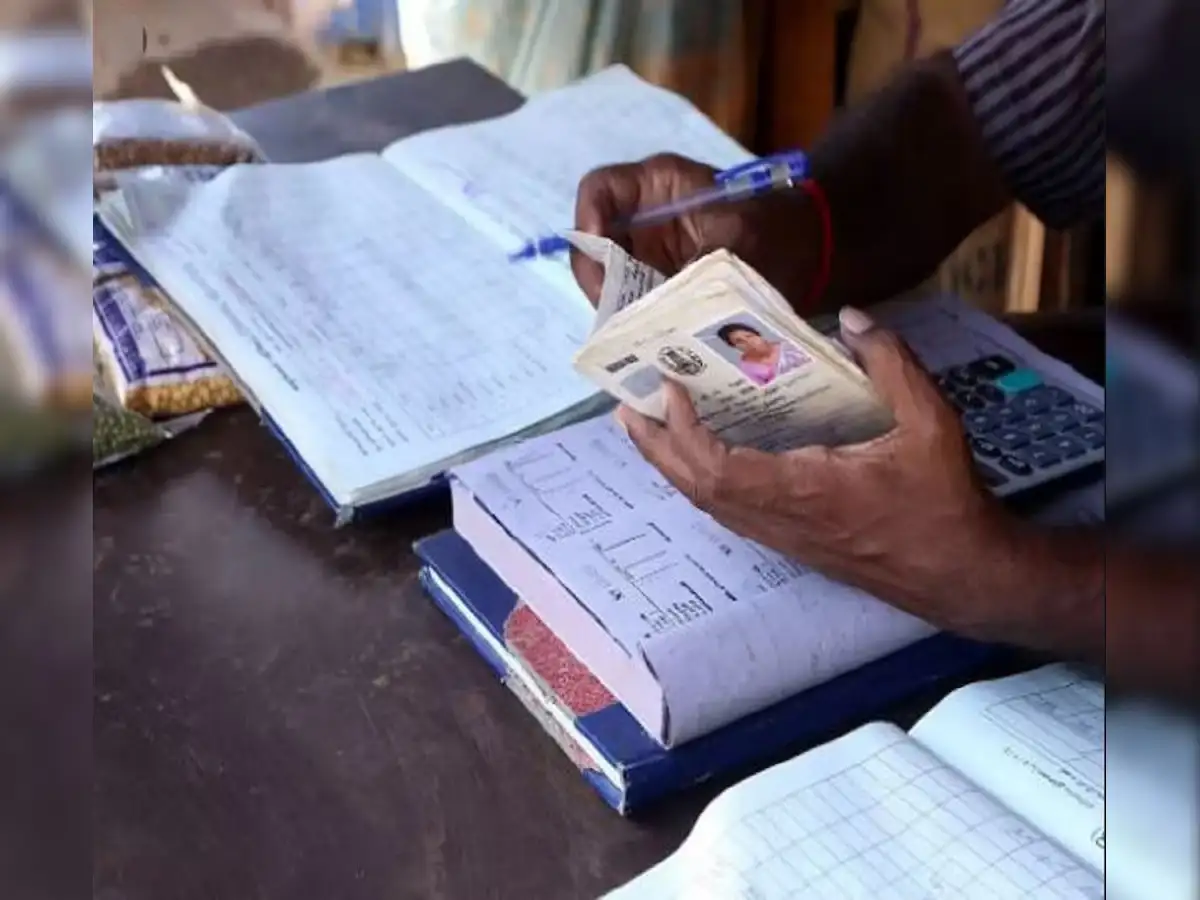
Applying for a new ration card can be an important step for households that want to access benefits available through the public distribution system. However, completing the application usually involves more than simply submitting an Aadhaar card or proof of address.
The exact requirements can differ from one state or Union Territory to another, and applicants may be asked to provide documents related to identity, residence, family members, income and other details. Before submitting an application, it is therefore useful to check the requirements listed on the official food and civil supplies portal of your state.
Here is a general overview of the documents and information that applicants may be asked to provide.
Documents Commonly Required for a Ration Card
1. Aadhaar Details
Aadhaar information may be required for the applicant as well as other members of the household. Applicants should ensure that names, dates of birth and other personal details are entered correctly.
Where Aadhaar authentication or e-KYC is part of the process, the applicant may also need access to the mobile number linked to Aadhaar.
2. Proof of Residence
Applicants may need to submit a document establishing their current residential address. Depending on the state and application process, acceptable proof may include documents issued by government authorities or other officially recognized address records.
The address provided in the application should match the supporting documents as closely as possible to avoid delays during verification.
3. Income-Related Documents
Some ration-card categories or state-level schemes may require information about the household's income. In such cases, an income certificate or another accepted document may be requested.
The requirement can depend on the type of ration-card category for which the household is applying.
4. Proof of Date of Birth
Documents confirming the age or date of birth of household members may be required in certain applications. A birth certificate or another government-recognized document may be accepted, depending on local rules.
Applicants should carefully enter the details of every family member because discrepancies between the application and supporting documents can lead to verification issues.
5. Applicant's Photograph
A recent photograph of the applicant or head of the household may be required during the application process. Some online portals allow applicants to upload a digital photograph, while offline applications may require photographs in a specified format.
6. Bank Account Information
Certain applications or linked welfare benefits may require bank-account details. If bank information is requested, applicants should provide accurate account details and ensure that the information belongs to the appropriate beneficiary or household member.
Other Information You May Need
Apart from documents, the application may ask for details such as the name of the head of the family, names of household members, mobile number, Aadhaar numbers and other family-related information.
A mobile number can also be useful for receiving application updates or completing OTP-based verification where such a facility is available.
Is Aadhaar Alone Enough to Get a Ration Card?
Submitting Aadhaar alone should not be assumed to be sufficient for every ration-card application. Ration-card procedures are administered through the relevant state or Union Territory authorities, and additional information or documents may be required.
Applicants should therefore check the latest instructions on their state's official food, civil supplies or e-District portal before submitting the form.
It is equally important to make sure that the names and other details of family members are entered accurately. Any mismatch between the application and supporting records may result in additional verification or a request for clarification.
How to Apply for a Ration Card Online
The online application process generally follows a sequence similar to the steps below, although the exact procedure and portal can vary by state:
- Visit the official food and civil supplies or e-District website of your state.
- Look for the option related to a new ration-card application.
- Register on the portal if you are a new user.
- Log in using the required credentials.
- Select the appropriate new ration-card application service.
- Enter details of the head of the household and other family members.
- Provide the requested address, identity and other information.
- Upload the required documents in the specified format and file size.
- Complete Aadhaar authentication or OTP verification if required.
- Review the entire application carefully before submitting it.
- Pay any applicable fee, if the relevant service requires one.
- Submit the application and save the acknowledgement or application number.
Keep the Application Number Safe
After submitting the form, applicants should save the acknowledgement receipt, reference number or application ID. This information may be needed to track the application's progress or respond to a request from the concerned department.
If the application is selected for physical or document verification, the applicant may also be asked to provide original documents for verification.
Check State-Specific Requirements Before Applying
One important point to remember is that there is no single document checklist that applies identically across every part of India. The documents, eligibility criteria, application fee, verification process and online portal may vary according to the state or Union Territory and the type of ration-card category involved.
Therefore, applicants should rely on the latest instructions published by their state government's official food and civil supplies department rather than relying only on a generic document list.
Having the relevant documents ready, entering family details accurately and keeping the application acknowledgement safely can make the process more straightforward and help avoid unnecessary delays.