NEWS
Ratan Tata’s Will: Shocking Revelation – Servants, Friends, and Relatives Stunned! A Legacy They’ll Remember Forever
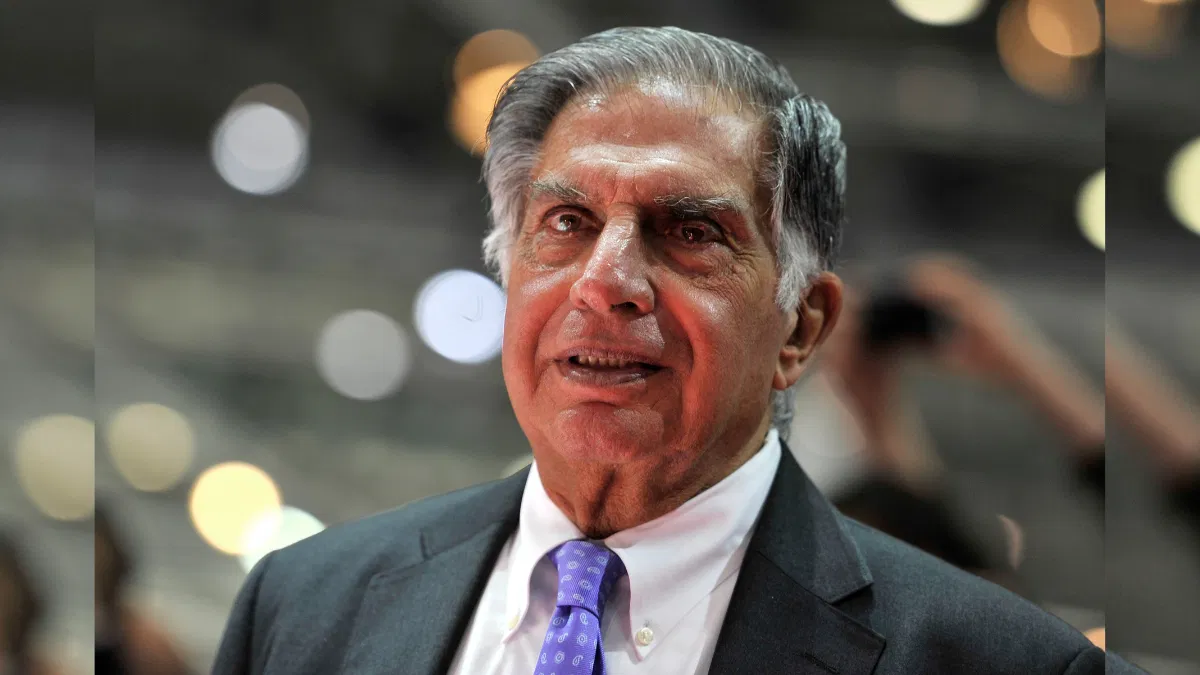
Image Credit: PTI
History has always shown that the bigger the empire, the fiercer the battle for inheritance. Whether you look back centuries into royal conflicts or examine modern-day corporate succession dramas, wealth and power have often torn families apart. However, Ratan Tata has taken a unique step to avoid such disputes after his passing. His will (Ratan Tata Will) includes a "No-Contest Clause" that has left his servants, friends, and relatives both shocked and inspired. This move not only reflects Tata’s wisdom but also offers an important life lesson for everyone. Let’s dive into what exactly Ratan Tata did through his final testament.
What is a No-Contest Clause?
In legal terminology, a No-Contest Clause is also known as an “In Terrorem Clause,” derived from Latin, meaning “in fear.” Legally, it implies that if any beneficiary challenges the will or trust deed in court, they risk losing their entire inheritance. In simple terms, anyone named in the will who questions its validity could end up with nothing or, in some cases, only a minimal share. The primary purpose is to discourage legal battles and ensure the smooth execution of the testator’s wishes.
Why Is This Clause Used?
Legal experts point out that including a No-Contest Clause in a will is an effective way to prevent frivolous or prolonged disputes. It ensures that the division of assets happens quickly, respectfully, and according to the deceased's intentions — without dragging family members into lengthy courtroom battles.
How Strong Is It Legally?
While the No-Contest Clause can be a strong deterrent, experts also call it a "toothless tiger" because it is not legally binding under Indian laws. Statutes like the Indian Succession Act, 1925, the Hindu Succession Act, 1956, and the Indian Trusts Act, 1882, do not formally recognize such clauses. Its enforcement largely depends on how the courts interpret it and the specific arguments presented by the parties involved. If a contestant successfully challenges the will, the No-Contest Clause itself could be rendered invalid along with the rest of the document.
Can Anyone Use It?
Anyone preparing a will can add a No-Contest Clause. While it cannot guarantee a dispute-free inheritance, if drafted carefully by adhering to all legal standards, it can significantly reduce unnecessary litigation. Courts typically respect such clauses only when an alternative beneficiary is named in the will. If used merely as a threat without a proper fallback arrangement, courts might disregard it.