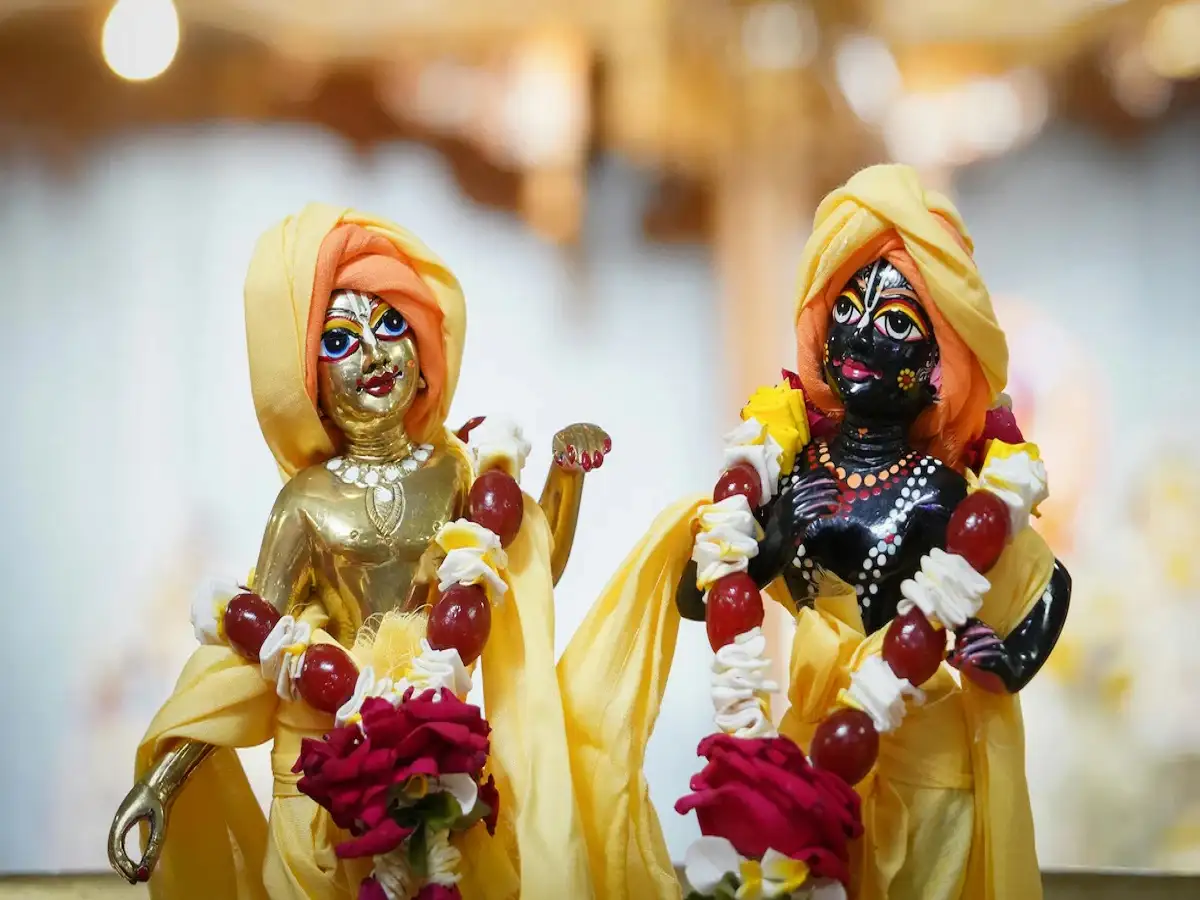
Radha Ashtami 2026 is an important Hindu festival dedicated to Radha Rani, who is revered as the divine consort of Lord Krishna. Devotees observe this occasion with devotion and enthusiasm by keeping a fast, worshipping Radha and Krishna, offering bhog, reciting prayers and participating in bhajans and aarti.
In 2026, Radha Ashtami will be observed on September 19. Those planning to observe the fast or perform the puja at home should be aware of the tithi, worship procedure, suitable offerings and important fasting practices.
Radha Ashtami 2026: When Is the Ashtami Tithi?
According to the timings mentioned for New Delhi, the Ashtami tithi is expected to begin at around 1:00 PM on September 18 and end at approximately 3:26 PM on September 19.
The midday period is traditionally considered particularly significant for Radha Rani's worship. For September 19, the puja period is stated to be approximately 11:01 AM to 1:28 PM.
Puja timings can vary slightly depending on the location. Therefore, devotees should check their local panchang before beginning the worship.
How to Perform Radha Ashtami Puja at Home
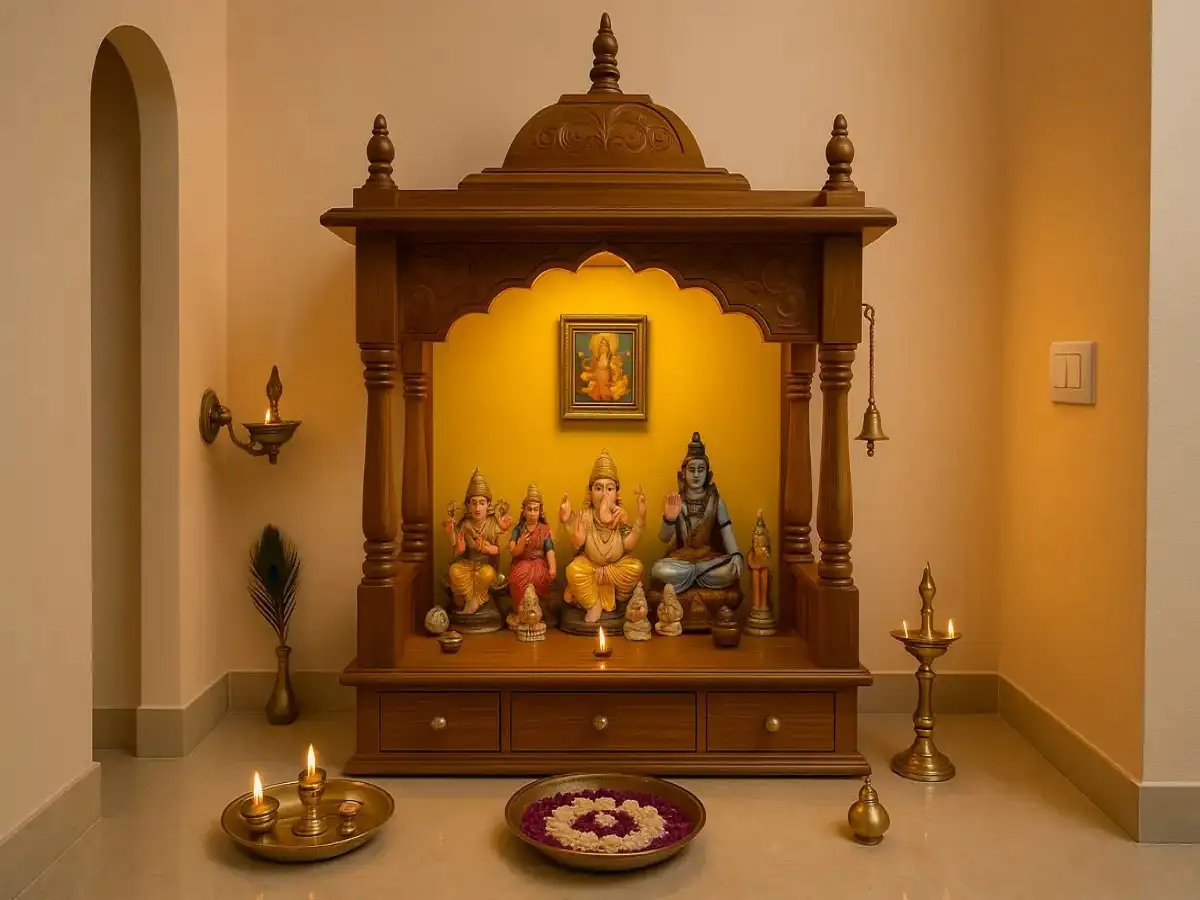
Devotees can keep the puja simple and follow their family traditions. Begin by cleaning the worship area and placing a wooden platform in a suitable location, traditionally facing the east or north.
Cover the platform with a clean red, yellow or pink cloth and place an idol or image of Radha and Krishna on it. If a separate idol of Radha Rani is not available, a Radha-Krishna image can also be used for worship.
Take water, flowers and rice grains in your hands and make a sankalp, or religious resolve, for the fast and puja. A kalash filled with water can also be placed near the deity, with mango leaves and a coconut arranged on top.
Offer traditional puja items such as:
- Water
- Clothes
- Sandalwood paste
- Roli
- Akshat
- Flowers
- Incense
- A lamp
If you are worshipping an idol, some traditions allow bathing it with water or panchamrit. However, if you are using a framed picture, avoid pouring water over it. Instead, offer flowers, sandalwood and other appropriate puja items.
Tulsi leaves may be offered to Lord Krishna. Devotees can also decorate Radha Rani with suitable ornaments and perform the puja with incense and a diya.
During the midday worship period, devotees may read or listen to the Radha Ashtami vrat katha and chant devotional mantras. The puja can conclude with Radha-Krishna aarti.
Devotees may chant names such as “Radhe-Radhe” or devotional mantras such as “Om Radhikayai Namah” according to their personal or family tradition.
What Bhog Can Be Offered on Radha Ashtami?
Food offered to the deities is generally prepared fresh and according to sattvic traditions. Families can select offerings based on their customs and preferences.
Popular bhog options include:
- Kheer
- Malpua
- Rabri
- Makhan-Mishri
- Fresh fruits
- Panchamrit
- Milk-based sweets
The food should be prepared with cleanliness and devotion. Those following a sattvic tradition generally avoid ingredients such as onion, garlic, eggs and non-vegetarian foods while preparing the offering.
After the bhog has been offered to Radha and Krishna, it can be distributed among family members as prasad.
Radha Ashtami Vrat: What Should Devotees Keep in Mind?
Fasting is an important part of Radha Ashtami for many devotees, but the method of fasting can differ from person to person. Some people observe a nirjala fast, while others choose fruits, milk or other permitted sattvic foods.
There is no need for everyone to follow the same fasting routine. The fast should be observed according to one's personal capacity and established family tradition.
People who have health concerns, are pregnant, are elderly or take regular medicines should not force themselves to undertake a waterless fast. They can choose a suitable dietary routine and focus on prayer, worship and devotional activities.
Maintain a Peaceful Mind During the Fast
Radha Ashtami is not only about food restrictions. Devotees traditionally use the occasion to focus on prayer, devotion and positive conduct.
During the vrat, devotees can try to:
- Avoid unnecessary arguments and anger.
- Refrain from harsh or offensive speech.
- Maintain a calm and positive state of mind.
- Spend time in prayer, bhajan or naam-jap.
- Follow the religious customs observed by their family.
- Keep their attention focused on Radha Rani and Lord Krishna.
Final Thoughts
Radha Ashtami 2026 provides devotees with an opportunity to express their devotion through fasting, worship, chanting and offerings. While the rituals and fasting practices may differ between families and regions, the central focus remains devotion to Radha Rani and Lord Krishna.
Those observing the festival should verify the local tithi and puja timings because religious timings can vary according to geographical location. Most importantly, devotees should perform the rituals with sincerity and follow a fasting routine that is appropriate for their individual circumstances.