FOOD & RECIPE
Paneer Paratha Stuffing Tricks: Does the paneer paratha tear as soon as it's rolled? If you use this trick, the stuffing won't come out.
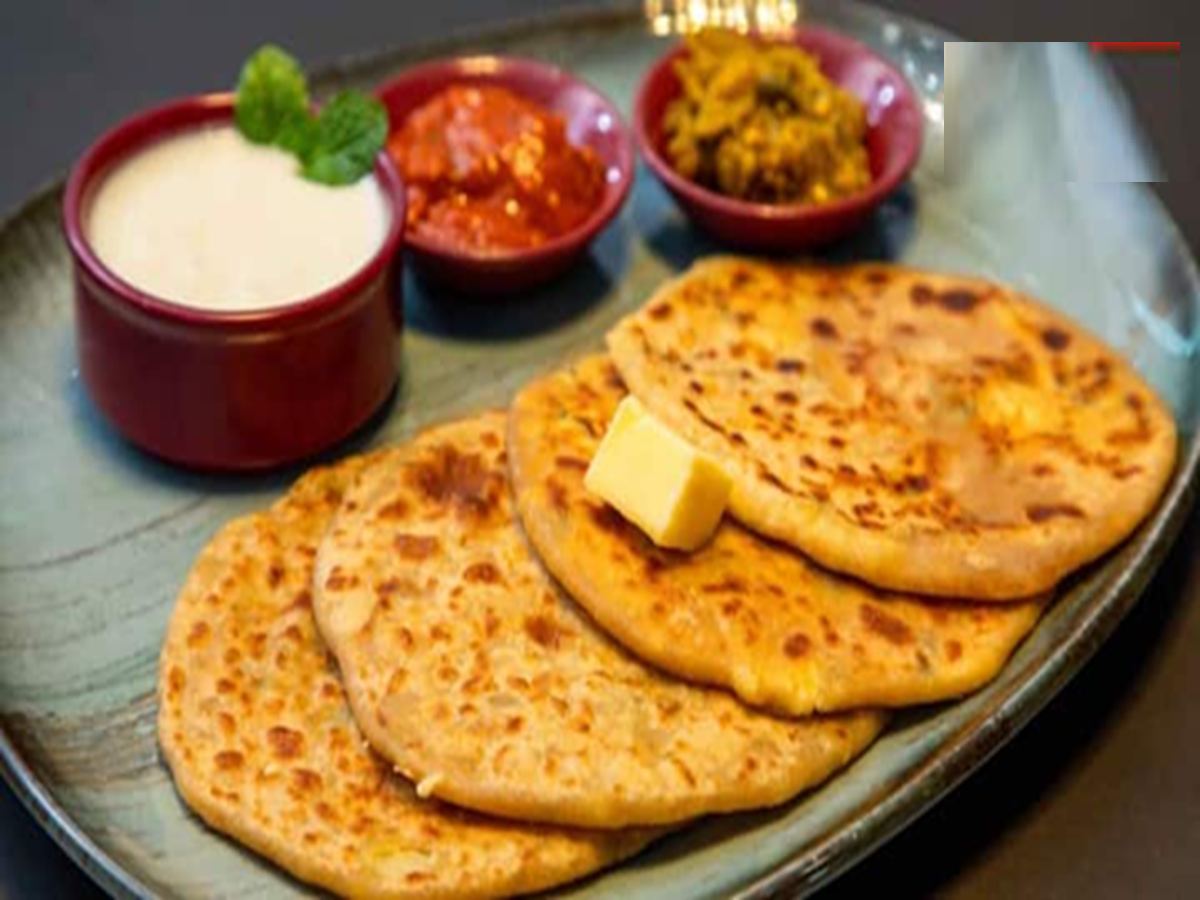
Paneer Paratha Stuffing Tricks: As soon as people begin rolling the paneer-stuffed paratha, the stuffing starts spilling out. This causes the paratha to tear and stick to the pan.
Most people enjoy eating paneer paratha for breakfast, and it's often made in many homes. However, a common problem arises when making it. As soon as people begin rolling the paneer-stuffed paratha, the stuffing starts spilling out. This causes the paratha to tear, stick to the pan, and ruin both its taste and appearance. If you face this problem every time, let us tell you today what trick you can use to prevent the stuffing from spilling out if the paneer paratha tears as soon as it's rolled.
1 /6
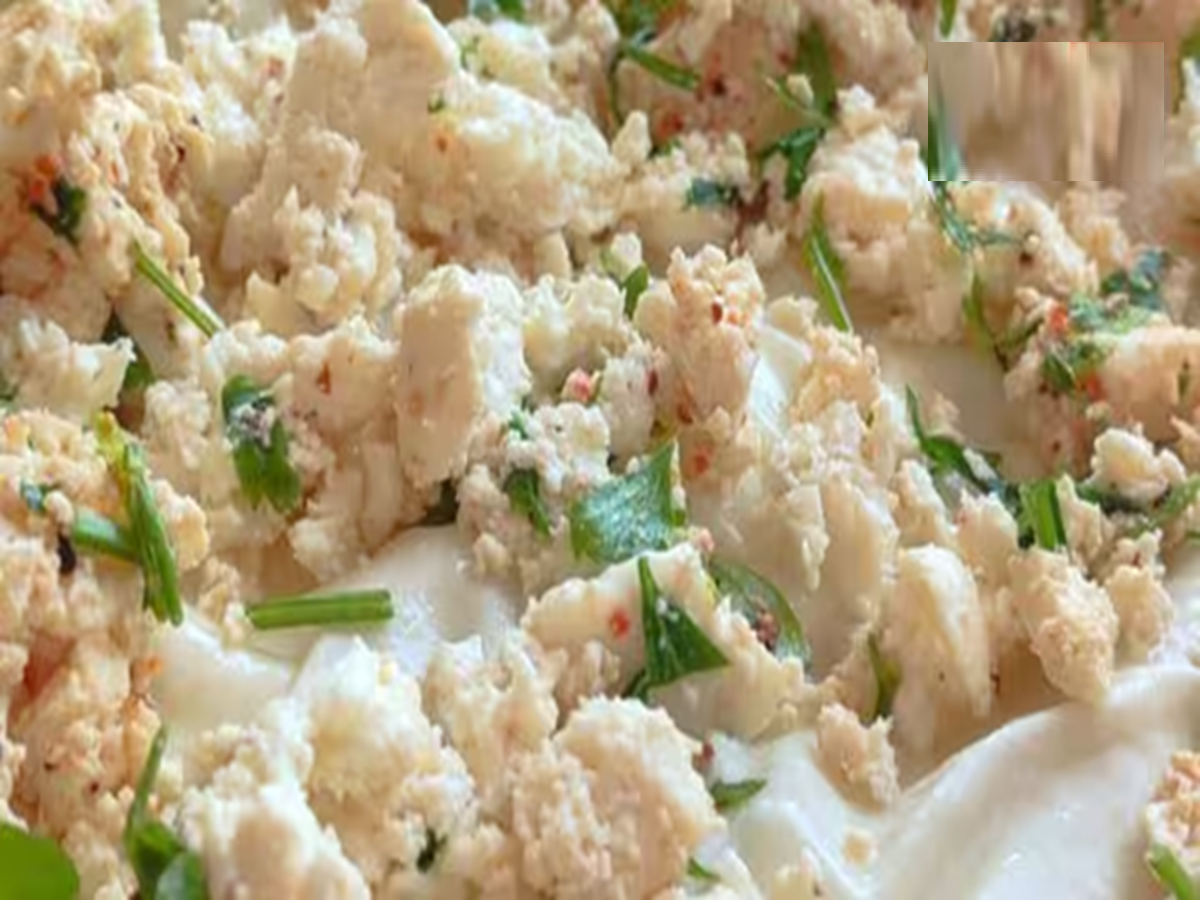
The biggest reason for paneer parathas to tear is the water present in the paneer. Fresh paneer available in the market is often very moist. When grated and stuffed directly, the moisture comes out during rolling, causing the stuffing to spread. In such a situation, before grating the paneer, wrap it in a clean cotton cloth and let it sit for 10 to 15 minutes. This will remove the water. If using paneer stored in the refrigerator, let it come to room temperature first and then dry it thoroughly before preparing the stuffing. Dry stuffing easily stays locked inside the paratha.
2 /6
To prevent your paneer paratha from tearing, time your salt properly. This is a common mistake. Many people add salt while preparing the stuffing and then roll the parathas a little later. Salt draws out the moisture from the paneer as soon as it comes into contact with it, making the stuffing soggy. Therefore, you can mix green chilies, coriander leaves, red chilies, garam masala, and other dry spices with the paneer beforehand, but always add salt only when you're about to fill the paratha. This will keep the stuffing dry and prevent it from spilling out while rolling.
3 /6
Flour is crucial for making parathas. If the dough is too stiff and the stuffing is soft, the paratha may tear under pressure while rolling. Therefore, always knead the paratha dough a little softly and let it rest, covered, for at least 10 minutes. This allows the dough to set and makes it easier to roll. When rolling the paratha, avoid applying too much pressure in the center. Roll gently from the edges to ensure the stuffing spreads evenly throughout.
4 /6
Too much stuffing can also cause the paratha to tear. People often overstuff the paratha in pursuit of taste. Therefore, adjust the filling to the size of the dough. Seal the edges tightly and trim away any excess dough. This reduces the chance of the stuffing spilling out.
5 /6
If the pan is too hot, the paratha may burn quickly, and if it's too cold, it won't become crisp. In this case, heat the pan over medium heat. After lightly toasting the paratha on both sides, apply ghee or butter and cook until golden brown. This will ensure a crispy outside and a soft inside.
6 /6
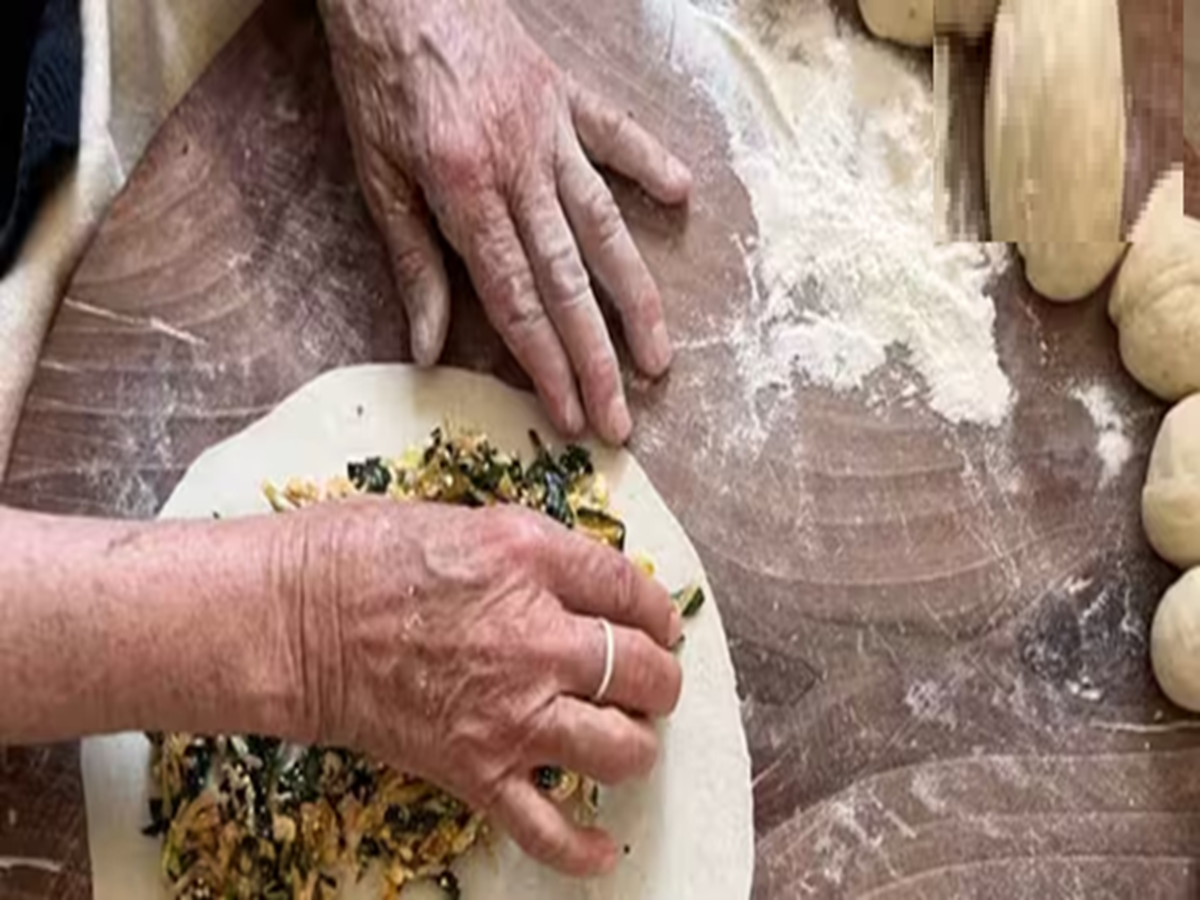
If you want your homemade paneer paratha to be as tasty and crispy as the ones at the restaurant, cook it over medium heat. Use ghee or butter, and avoid flipping the paratha repeatedly. This enhances its taste exponentially.