NEWS
Pakistan was embarrassed in UNSC, no resolution came in the close door meeting on tension with India
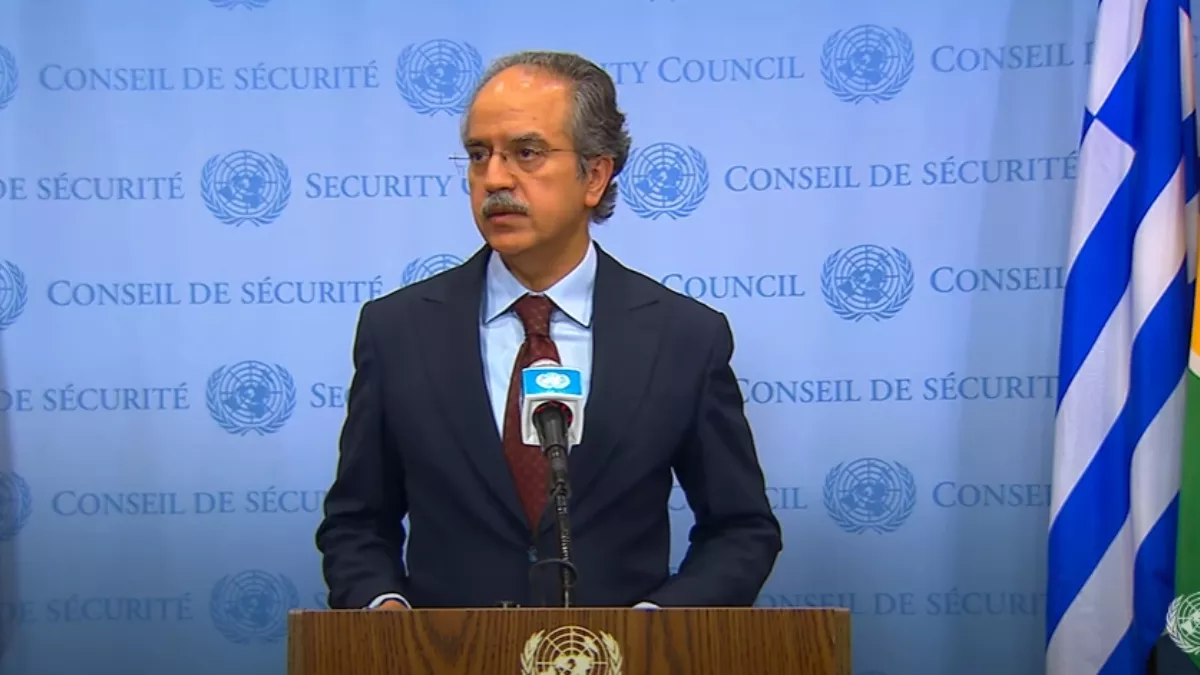
The growing tension between India and Pakistan was discussed behind closed doors in the United Nations Security Council. Pakistan raised concerns over Jammu and Kashmir, Indus Water Treaty and India's alleged actions on April 23. Secretary-General Guterres condemned the Pahalgam attack and appealed to both countries to exercise restraint. Pakistan called India's allegations 'baseless' and reiterated its demand for a solution to the Kashmir issue.
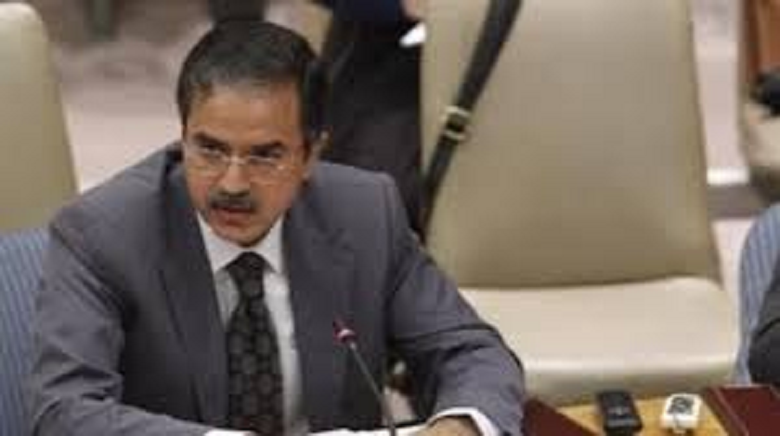
Highlights
- Pakistan raises Kashmir and water issue against India in UNSC
- "Tensions are at their peak, there can be no military solution," Guterres said.
- Pakistan termed India's allegations as 'false and political'
Digital Desk, New Delhi. A closed-door meeting was held in the United Nations Security Council regarding the increasing tension between India and Pakistan. This meeting was called when United Nations Secretary-General Antonio Guterres expressed deep concern over the increasing tension between the two nuclear-armed neighboring countries. He said that 'tensions are at their highest in years' and 'the situation is reaching a dangerous point.'
However, Pakistan was embarrassed in this meeting because neither any resolution was reached nor any statement was issued in the meeting.
Pakistan, a temporary member of the Security Council at this time, had requested "closed consultations" for this meeting. This meeting was not held in the main chamber of the Security Council, but in the 'Consultation Room' next to it, where usually confidential talks take place behind closed doors.
Speaking to the media, Guterres condemned the terrorist attack in Pahalgam, Jammu and Kashmir on April 22, which killed 26 civilians, including a Nepali citizen. He said, "Targeting civilians is not acceptable under any circumstances. The culprits should be brought to justice and punished."
Guterres said that at this critical moment, both countries need to exercise restraint and avoid military confrontation. He stressed, "Now is the time for both countries to step back and return to the path of dialogue. A military solution cannot be a solution."
What did Pakistan say?
India's former permanent representative Syed Akbaruddin told PTI that no "concrete results" should be expected from this meeting. He said that Pakistan is only trying to "create perceptions" by using this platform, to which India will give a befitting reply. On the other hand, Pakistan said that their purpose of this meeting was fulfilled.
Pakistan's Permanent Representative to the UN Asim Iftikhar Ahmed held a press conference. According to Pakistani newspaper Dawn, he claimed that the talks were successful in "fulfilling most of Pakistan's objectives". He also said that Pakistan is in favour of peace and is always ready for talks.
Iftikhar said, "Many Security Council members agreed that all issues should be resolved peacefully, in accordance with UNSC resolutions and the wishes of the Kashmiri people. This includes the Kashmir issue."
Iftikhar said stability in the region was only possible through dialogue and adherence to international law. He alleged that India's "unilateral and illegal" actions on April 23, along with military build-up and provocative statements, had escalated tensions to dangerous levels.
'Pakistan does not want confrontation'
Asim Iftikhar Ahmed said, "Pakistan does not seek confrontation, but is fully prepared to defend its sovereignty and territorial integrity, if necessary, as enshrined in Article 51 of the UN Charter."
Iftikhar rejected India's allegation that Pakistan was responsible for the Pahalgam terror attack. He said that Pakistan and all members of the Security Council have condemned this attack.
Iftikhar also raised the issue of India's unilateral suspension of the Indus Water Treaty in the meeting. He reminded that this treaty was made under the mediation of the World Bank and remained intact even during wars.
The Pakistani envoy said, "Water is life, not a weapon. These rivers meet the needs of 240 million Pakistanis. If their flow is disrupted, it would be a direct aggression that could pose a threat to every downstream country."