LIFESTYLE
Overweight but Nutrient Deficient? Here’s Why Your Body May Still Lack Essential Nutrients

Being overweight does not necessarily mean that the body is getting all the nutrients it needs. A person can have excess body fat and still be deficient in important nutrients such as protein, iron, vitamins, minerals and fibre.
Modern lifestyles, irregular eating habits and dependence on highly processed foods are among the major reasons behind this problem. While body weight is often used as a basic measure of health, it does not tell the complete story. The quality of a person's diet and the body's nutritional status are equally important.
Weight Alone Does Not Reveal Your Overall Health
Body weight and Body Mass Index (BMI) can provide useful information, but they cannot give a complete picture of someone's health. Two people with a similar weight may have very different levels of muscle, body fat and nutritional status.
In some cases, even people who appear to have a normal body weight can carry excess visceral fat, particularly around the abdomen. This type of internal fat has been associated with several metabolic health concerns.
Similarly, nutritional deficiencies are not limited to people who are underweight. Individuals who are overweight can also consume a diet that provides plenty of calories but does not provide enough essential nutrients.
How a High-Calorie Diet Can Cause Nutritional Deficiencies
One of the biggest reasons for this nutritional imbalance is the growing popularity of calorie-dense but nutrient-poor foods.
Fast food, packaged snacks, sugary foods, refined carbohydrates and other highly processed products can provide a large number of calories while offering relatively little protein, fibre, vitamins and minerals.
Such foods may make a person feel full temporarily, but regularly relying on them can make it difficult to meet the body's nutritional requirements.
Lifestyle patterns can also contribute to deficiencies. Spending less time outdoors, for example, may reduce exposure to sunlight, which is one factor involved in vitamin D production. Vitamin D deficiency has been observed commonly in urban populations, and research has also explored its association with excess abdominal fat.
Cutting Food Too Aggressively Can Backfire
Another common mistake occurs when people try to lose weight by drastically reducing their food intake.
Weight management is not simply about eating as little as possible. Eliminating entire food groups or severely cutting portions of staples such as rice, roti or other regular meals can make it harder to obtain adequate protein and other essential nutrients.
A sustainable weight-management plan should focus on improving the overall quality of the diet rather than simply reducing the amount of food consumed.
Nutrient-Rich Foods Should Be Part of Your Daily Diet
A balanced diet can help provide the nutrients needed for normal body functions while also supporting healthy weight management.
Some important food groups to include regularly are:
- Protein-rich foods such as pulses, dairy products, eggs or other suitable sources
- Fresh vegetables and seasonal fruits
- Lentils, beans and whole grains
- Fibre-rich foods
- Foods containing essential vitamins and minerals
- Adequate fluids as part of a balanced lifestyle
The right combination will vary from person to person depending on factors such as age, activity level, dietary preferences and existing health conditions.
Being Overweight Can Also Be Linked With Metabolic Health Risks
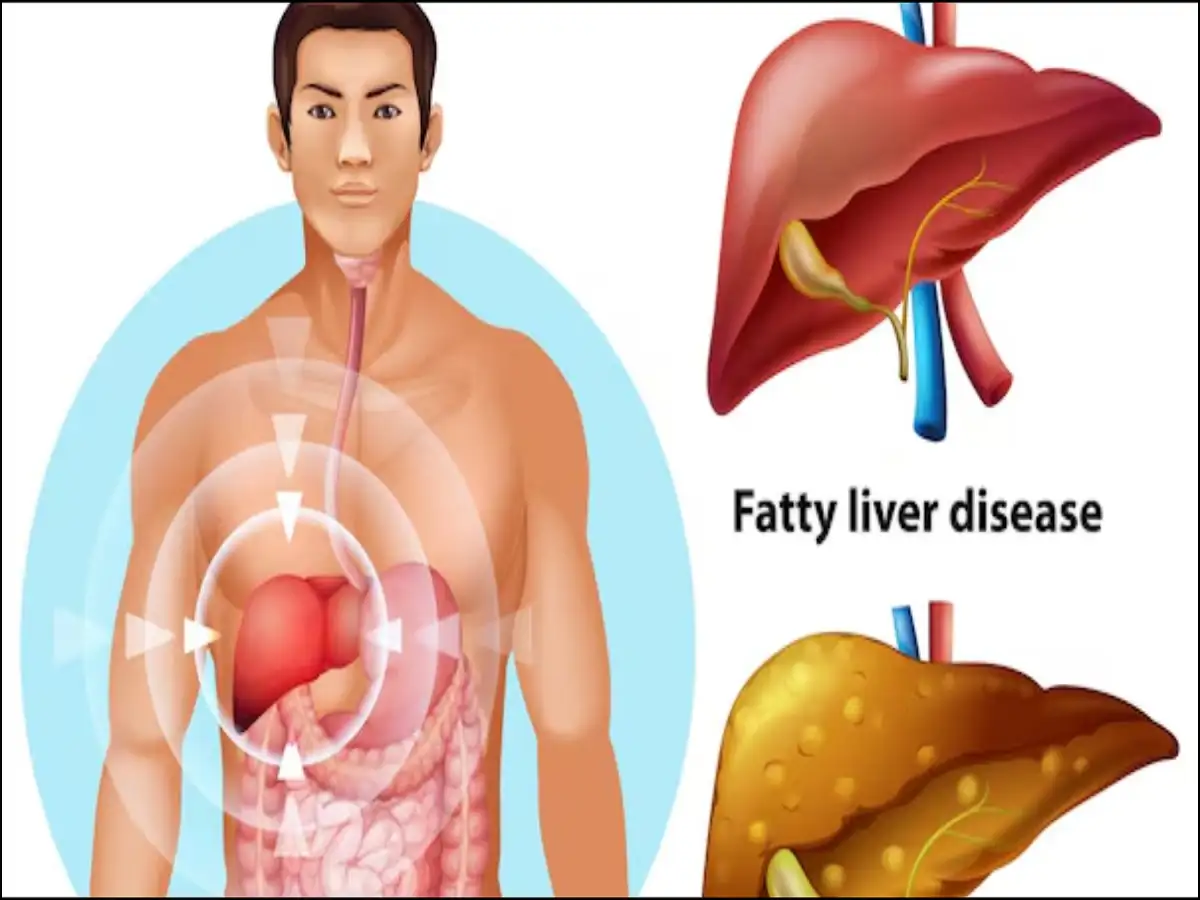
Excess body weight, particularly when accompanied by abdominal fat, can be associated with metabolic problems such as insulin resistance, prediabetes, fatty liver and unhealthy cholesterol levels.
This is why focusing only on the number displayed on a weighing scale may not be enough. A broader approach to health should consider diet, physical activity, body composition and relevant medical indicators.
People concerned about their nutritional status or metabolic health may benefit from discussing their situation with a qualified doctor or dietitian. Depending on individual circumstances, a healthcare professional may recommend tests such as blood glucose, lipid profile, liver-related tests or specific nutrient assessments.
The Bottom Line
Being overweight does not automatically mean that the body is well nourished. It is possible to consume more calories than the body needs while still falling short of important nutrients.
Instead of focusing exclusively on weight loss, it is important to build healthier eating habits that provide sufficient protein, fibre, vitamins and minerals. A balanced diet, regular physical activity and appropriate medical guidance can help support better overall health.
If you suspect a nutritional deficiency or have concerns about your weight or metabolic health, avoid making drastic dietary changes on your own. A healthcare professional can help determine what your body actually needs and suggest an appropriate plan.