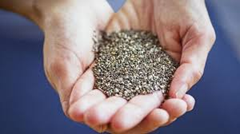
Chia seeds are very high in fiber. In moderation, they are beneficial for digestion, but sudden or excessive consumption can cause bloating, stomach pain, diarrhea, and constipation.
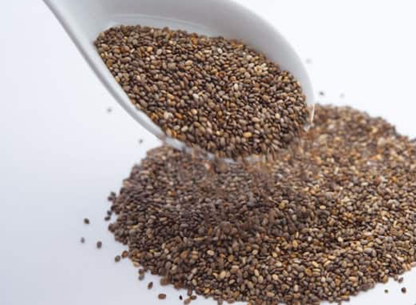
These days, chia seeds are the first thing that comes to mind when it comes to healthy diets and weight loss. Chia seeds are everywhere, from smoothies, puddings, breakfast bowls, to energy bars. Rich in fiber, omega-3 fatty acids, and antioxidants, chia seeds are considered a superfood. However, experts say that consuming too many chia seeds can be harmful instead of beneficial. So, let us tell you about six dangerous problems you could face if you overdose on chia seeds in an effort to lose weight.
1 /6
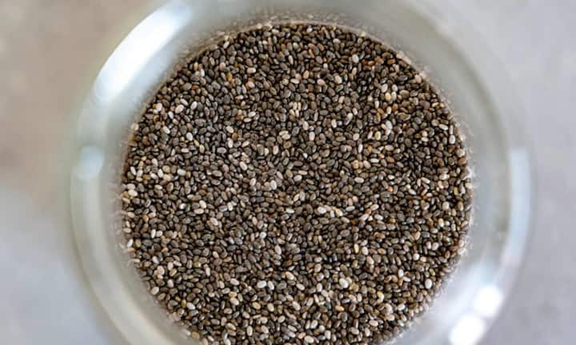
Chia seeds are very high in fiber. While moderate consumption is beneficial for digestion, sudden or excessive consumption can cause bloating, stomach pain, diarrhea, and constipation. This problem is more common in people with IBS or sensitive digestion.
2 /6
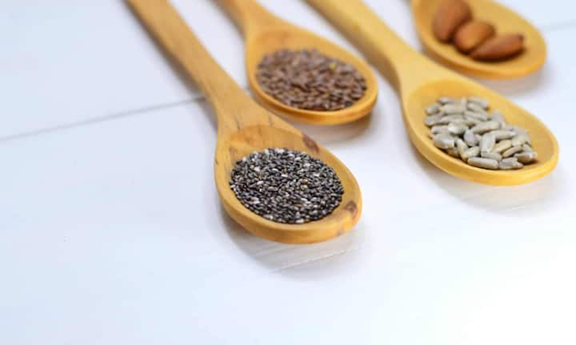
Research suggests that chia seeds help lower blood pressure. However, people who already have low blood pressure or are taking blood pressure medication may experience dizziness, weakness, and fatigue.
3 /6
Two teaspoons of chia seeds contain approximately 138 calories. Including chia seeds in every meal for weight loss could inadvertently increase your daily calorie limit, potentially impacting weight loss.
4 /6
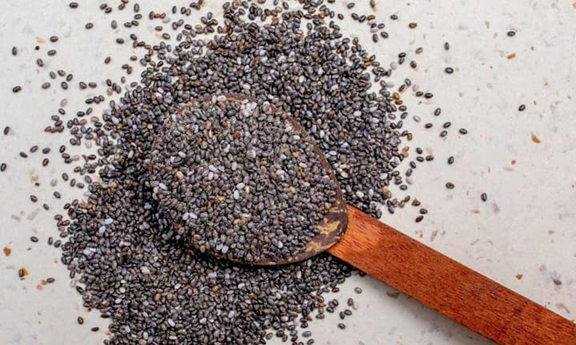
Additionally, dried chia seeds swell rapidly upon contact with water. Therefore, if eaten dry, there's a risk of choking. In some cases, this can even become an emergency, so experts recommend soaking chia seeds before consuming them.
5 /6
Chia seeds can cause allergic reactions in some people. Symptoms include itching of the lips or tongue, vomiting, dizziness, or diarrhea. In severe cases, breathing problems may also occur, although such cases are rare.
6 /6
Chia seeds lower blood sugar levels. However, they may cause a drop in blood sugar in people taking diabetes medications. Furthermore, due to their omega-3 content, they may also enhance the effectiveness of blood thinners or blood pressure medications.