LIFESTYLE
Osteoporosis in Men: From back pain to minor injuries, this dangerous disease is silently eroding men's bones.
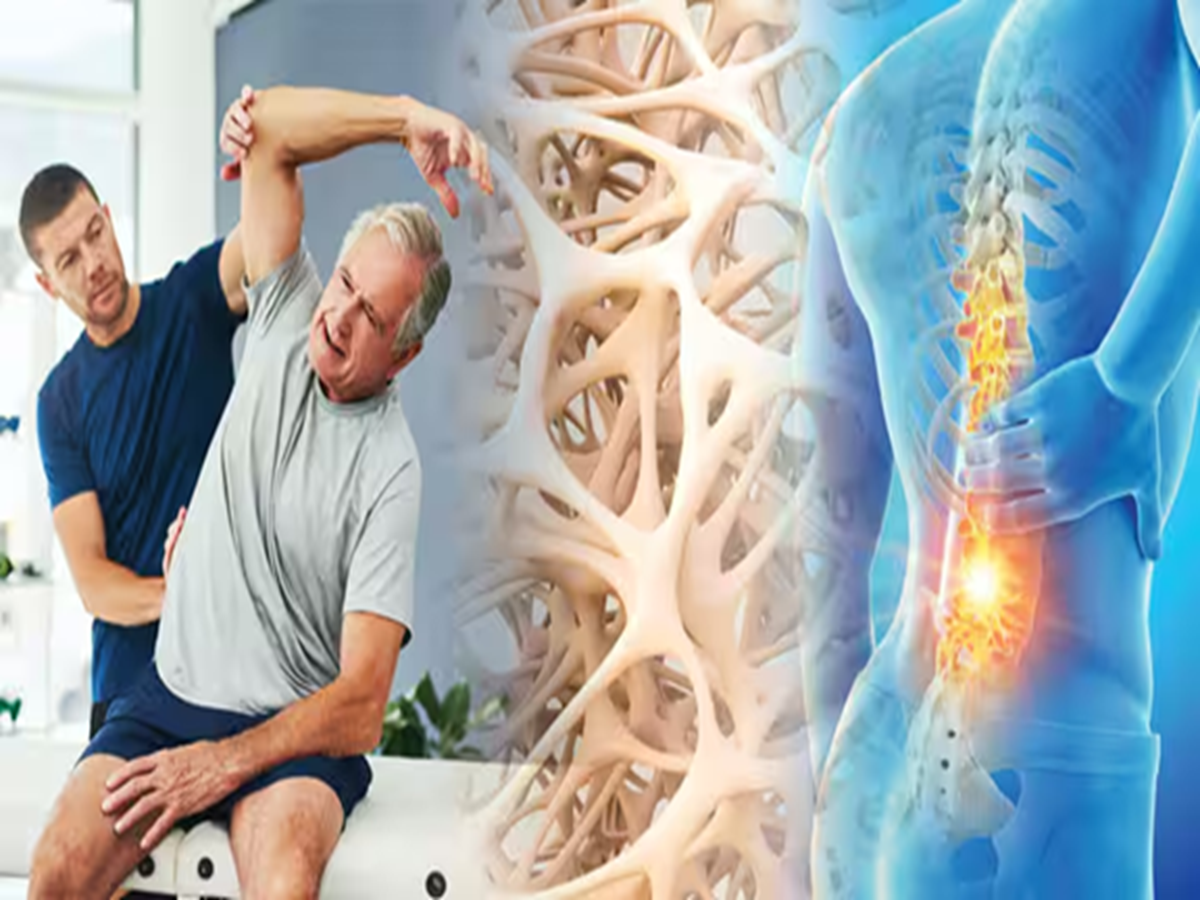
Osteoporosis Symptoms: Bone density can decrease with age, increasing the risk of fractures, even in men. Often, people don't notice it until it's too late.

How does low testosterone increase the risk of fractures?
How Low Testosterone Increases Fracture Risk: Osteoporosis has long been considered a disease of women, especially post-menopausal women. This is why most men don't take this risk seriously. However, experts say that the problem of weak bones is not limited to women. Bone density can also decrease with age in men, increasing the risk of fractures. Often, people don't realize this until a serious injury or bone break occurs.
What problem could this cause?
Dr. Vivek Mahajan, head of the joint replacement department and an orthopedic specialist at ISIC Multispecialty Hospital, told TOI that osteoporosis in men is often overlooked because they don't realize they may be at risk. Osteoporosis is a condition in which bones gradually become weak and brittle. Normally, the body replaces old bone with new bone, but with age, this balance can be disrupted, and bone loss accelerates.
Why is testosterone important?
According to experts, testosterone is not only essential for muscle mass, energy, and sexual health, but it also plays a vital role in maintaining strong bones. According to Dr. Vivek Mahajan, this hormone helps build and maintain bones throughout life. However, as men age, testosterone levels decline. This also impacts bone health, and the body begins to lose more bone than it creates new bone.
What are the effects of low testosterone?
The effects of low testosterone aren't limited to bones. It can also reduce muscle strength and mass, increasing the risk of falls. Weak bones and a higher risk of falls combine to multiply the risk of fractures. This is why fractures of the hip, spine, and wrist are more common with age.
What are its symptoms?
The biggest challenge with osteoporosis is that it doesn't show any obvious symptoms in its early stages. This is why it's also known as a silent disease. However, signs like persistent back pain, gradual height loss, stooped posture, bone fractures from minor injuries, or persistent physical weakness should not be ignored. Men with low testosterone may also experience fatigue, decreased stamina, and muscle weakness.
How can this be stopped?
The good news is that osteoporosis can be largely prevented and controlled if detected early. A diet rich in calcium and vitamin D, regular walks, strength training, avoiding smoking, and maintaining a balanced weight can help maintain strong bones.