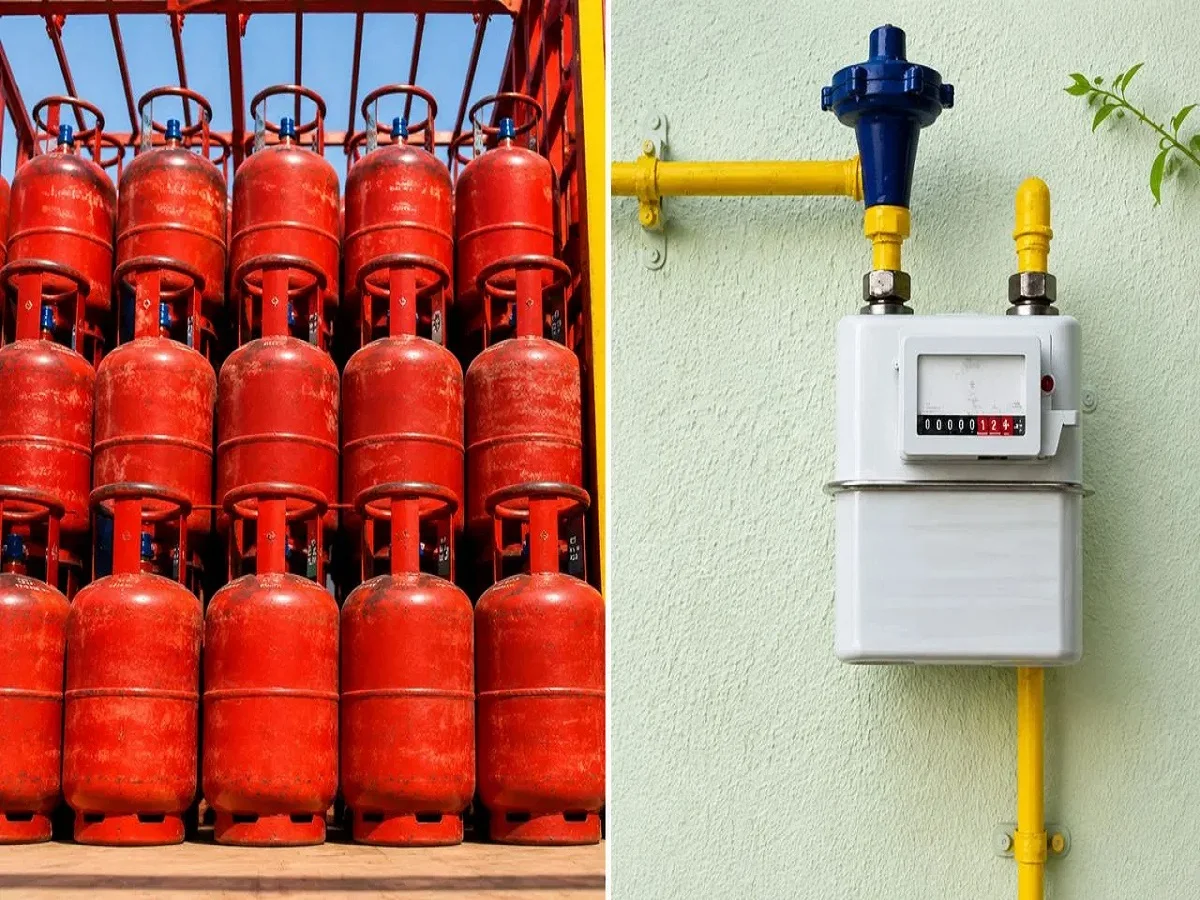
The government has introduced new guidelines aimed at ensuring the proper distribution of domestic cooking fuel and preventing the misuse of multiple household gas connections. The policy, often referred to as the "One House, One LPG Connection" rule, has sparked concern among consumers who are unsure whether their existing LPG connections could be affected.
While the rule is intended to streamline fuel distribution, not every LPG user will be required to surrender their connection. Understanding who is affected and what actions may be necessary can help consumers avoid disruptions in service.
What Is the One House, One LPG Connection Rule?
Under the new policy, households that already have access to and actively use Piped Natural Gas (PNG) for domestic cooking purposes may no longer be allowed to keep a domestic LPG connection simultaneously.
The objective is to prevent duplication of subsidized cooking fuel resources and improve fuel management across urban areas where PNG networks have expanded.
Key Highlights of the Rule
- Homes using PNG for household cooking may be required to surrender their domestic LPG connection.
- Customers are generally given a 30-day period after PNG activation to return their LPG connection.
- Failure to comply within the prescribed period may lead to cancellation of the LPG connection.
- Oil marketing companies are reviewing records to identify households that have both PNG and LPG connections.
The rule mainly targets residential consumers who continue to maintain domestic LPG cylinders despite having an operational PNG connection.
What Is a Transfer Voucher?
Consumers who do not wish to permanently surrender their LPG connection may have another option available in the form of a transfer voucher.
A transfer voucher allows customers to deactivate the connection while retaining the possibility of restoring LPG services in the future if required.
Benefits of Choosing a Transfer Voucher
- Easier reactivation of LPG services in the future.
- Useful for families relocating to areas where PNG is unavailable.
- Helps preserve customer records and simplifies future processing.
- Avoids the need to apply for a completely new LPG connection later.
Customers must decide whether to surrender their connection permanently or opt for a transfer voucher within the stipulated time period.
Who Is Exempt From Returning Their LPG Connection?
The government has clarified that not every LPG customer will be required to give up their gas cylinder connection.
LPG Can Continue in These Situations
- PNG infrastructure is not available in the locality.
- Technical or operational challenges prevent PNG supply.
- PNG network expansion has not yet reached the area.
- LPG is being used for approved commercial or business purposes.
- Special exemptions have been granted by the relevant authorities.
Consumers falling into these categories can continue using their LPG cylinders without any immediate concern.
When Can an LPG Connection Be Cancelled?
Authorities may take action against customers who continue to hold domestic LPG connections despite having access to active PNG services.
Situations That May Lead to Cancellation
- PNG service is available and operational, but the customer refuses to switch despite official notification.
- Both PNG and domestic LPG connections continue to be maintained beyond the permitted period.
- Customers fail to comply with surrender requirements within the specified 30-day deadline.
In such cases, oil companies may suspend or cancel LPG services in accordance with policy guidelines.
Restrictions That May Apply
For households where PNG services are already active, the following restrictions may be imposed if the LPG connection is not surrendered as required:
- New domestic LPG cylinder bookings may be blocked.
- Refill requests could be rejected.
- Existing LPG services may be discontinued.
- Future domestic LPG benefits may become unavailable.
Why Has the Government Introduced This Rule?
The policy aims to improve the efficiency of fuel distribution and reduce the duplication of household cooking fuel resources. With PNG networks expanding rapidly across many urban regions, authorities believe that households with access to piped gas should rely primarily on that system rather than maintaining multiple domestic fuel connections.
The move is also expected to improve monitoring, reduce misuse, and ensure that LPG resources remain available to consumers who genuinely need them, especially in areas where PNG services are not yet available.
What Should Consumers Do Now?
Consumers should verify whether PNG services are active in their area and review any communication received from their gas supplier. If they have both PNG and LPG connections, they should contact their gas distributor to understand the options available, including surrender procedures and transfer voucher facilities.
Taking timely action can help avoid service interruptions and ensure compliance with the latest fuel distribution regulations.