Buying an expensive smartphone, television, refrigerator, air conditioner or washing machine no longer always requires paying the entire amount upfront. Equated Monthly Instalments (EMIs) allow consumers to spread the cost over several months, making high-value purchases easier to manage.
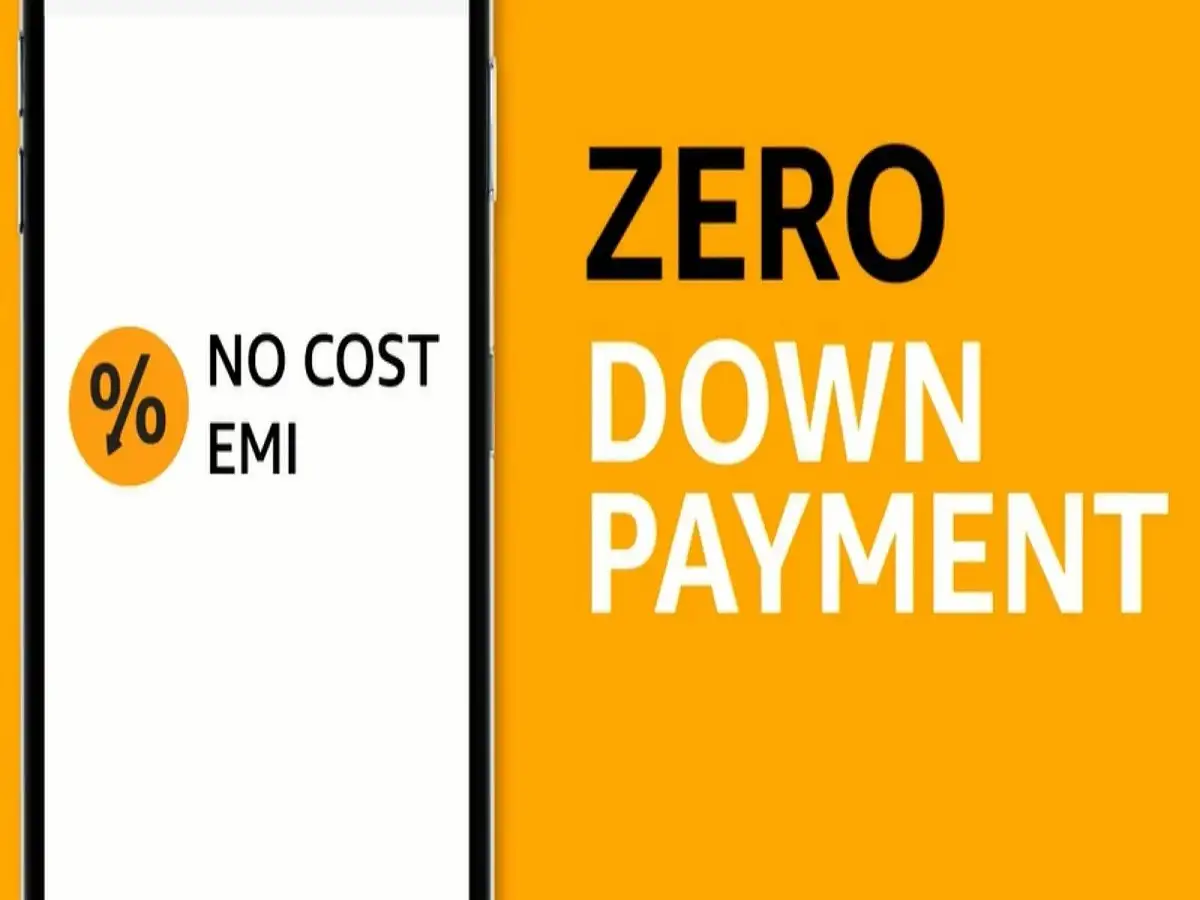
Among these financing options, No-Cost EMI has become particularly popular. The name makes the deal sound straightforward: buy the product now, divide its price into monthly payments and pay no interest.
But does "no-cost" really mean that financing the purchase costs absolutely nothing extra?
Not necessarily. Although the interest component may be absorbed or adjusted under the offer, consumers can still face processing fees, applicable taxes and other charges. In some cases, choosing an EMI can also mean giving up a discount available to customers who pay the full amount upfront.
Understanding the total payable amount is therefore more important than simply looking at the "No-Cost EMI" label.
How Does a No-Cost EMI Offer Work?
In a conventional EMI loan, a lender finances the purchase and charges interest. The borrower eventually pays more than the original financed amount because interest is included in the repayment schedule.
A No-Cost EMI arrangement can work differently.
Depending on the offer, the manufacturer, seller or online retailer may provide a discount or subsidy designed to offset the interest charged by the lender. This can make the effective instalments appear equivalent to the advertised purchase price.
The exact structure, however, can vary between retailers, products, banks, NBFCs and credit-card providers. Buyers should therefore check the financing terms for the particular transaction rather than assuming that every No-Cost EMI works in exactly the same way.
Extra Charges Can Still Apply
The absence of an effective interest burden does not automatically mean there are no additional expenses.
Depending on the lender and offer, a customer may encounter charges such as:
- Processing fees
- GST applicable to certain charges or interest components
- Documentation or service fees, where applicable
- Late-payment charges if an instalment is missed
- Other loan-related charges disclosed by the lender
For example, even if the product price is fully divided into equal monthly instalments, a separate processing fee could increase the final amount paid by the customer.
That is why consumers should check the complete cost before confirming the transaction.
Compare the Cash Price With the Total EMI Cost
One of the easiest ways to evaluate a No-Cost EMI deal is to compare it with the amount you would pay without financing.
Start by checking the product's final price for an upfront payment. Then calculate the total amount payable through the EMI option, including processing fees, taxes and other applicable charges.
There is another factor that can easily be overlooked: discounts.
Suppose a retailer offers a substantial instant discount for full payment but that discount is unavailable with the No-Cost EMI option. Even when no separate interest appears in the EMI calculation, giving up the discount could effectively make the financed purchase more expensive.
Instead of focusing only on the monthly instalment, compare the final out-of-pocket cost under both options.
Know Who Is Financing Your Purchase
When buying through EMI, consumers should know which bank or non-banking financial company (NBFC) is actually providing the credit.
Do not assume that the retailer or shopping platform itself is always the lender.
Before accepting financing, check the lender's identity and read the loan or credit terms carefully. Consumers should also verify the regulatory status of the lender where relevant and understand the applicable fees, repayment schedule, penalties and other conditions.
Be cautious about granting unnecessary permissions or sharing excessive personal information with unfamiliar digital platforms.
Never disclose your UPI PIN, card PIN, banking password or OTP to someone claiming that these details are required to approve an EMI.
Check the Repayment Date Before Confirming the Purchase
A manageable monthly instalment can make an expensive product seem affordable, but an EMI creates a recurring financial obligation.
Check when the first payment is due, how many instalments you will have to pay and whether the EMI fits comfortably within your monthly budget.
Taking several small EMIs simultaneously can also add up to a significant monthly commitment.
If the purchase is not urgent, saving money first and buying later may sometimes be a better option than taking additional credit simply because an EMI offer is available.
Missing an EMI Can Cost You More
Timely repayment is important even when the purchase was advertised as No-Cost EMI.
A delayed or missed payment can attract penalties or other charges depending on the lender's terms. Repayment behaviour may also be reported to credit bureaus where applicable, meaning repeated delays could affect a borrower's credit profile.
Consumers should therefore treat a No-Cost EMI as a credit commitment rather than simply a payment discount.
Five Things to Check Before Choosing No-Cost EMI
Before confirming your purchase, check five important details: the product's upfront price, the total amount payable through EMI, processing fees and applicable taxes, discounts you may lose by choosing EMI, and the identity and terms of the lender.
Also read the Key Fact Statement or other loan disclosures provided for the financing arrangement, where applicable. These documents can help you understand the actual borrowing cost and associated charges.
The Bottom Line
No-Cost EMI can be useful when you need to spread a large purchase across several months without bearing the usual interest cost yourself. But the words "no cost" should not be interpreted as a guarantee that there will never be any additional expense.
Processing charges, applicable taxes, missed discounts and repayment-related fees can affect the actual cost of the purchase.
Before clicking "Buy Now," compare the cash price with the total EMI outgo and read the financing terms carefully. A seemingly attractive monthly instalment only makes sense when you know exactly how much the purchase will ultimately cost.