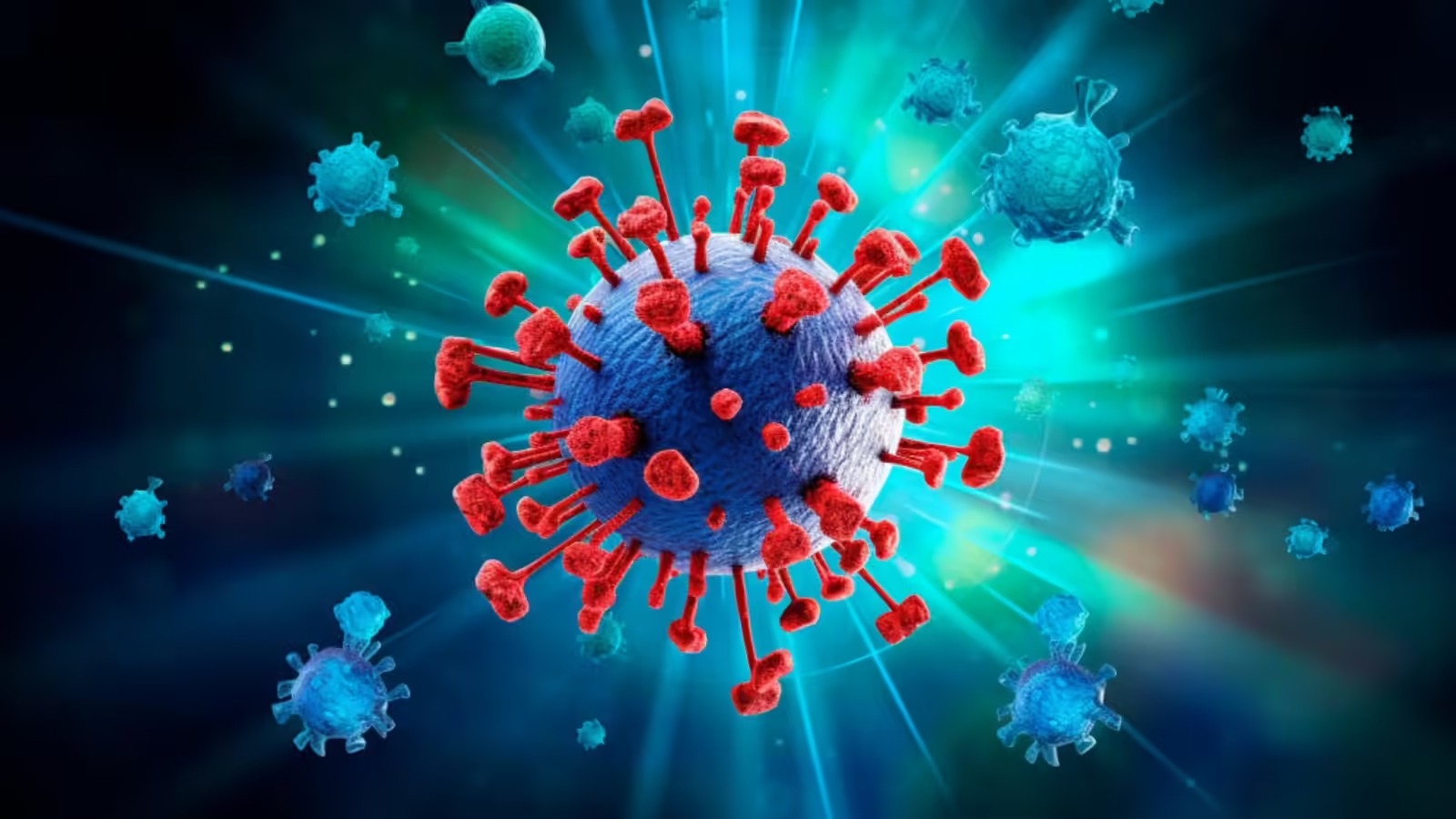
Just as the world is slowly recovering from the long shadow of COVID-19, another virus has re-entered public discussion and raised fresh concerns—Nipah Virus (NiV). Recent reports of isolated cases in parts of India have prompted health authorities to step up surveillance, while global agencies like the World Health Organization (WHO) are closely monitoring the situation.
Although Nipah outbreaks remain limited and localized, medical experts warn that ignoring early signs or basic precautions could prove dangerous. Awareness, at this stage, is the most effective defense.
What Is Nipah Virus and Why Is It Considered So Dangerous?
Nipah Virus is a zoonotic infection, meaning it spreads from animals to humans. The natural carriers of this virus are fruit bats, also known as flying foxes. In some cases, domestic animals like pigs can also act as intermediate hosts.
What makes Nipah especially alarming is its high fatality rate, which studies estimate can range from 40% to as high as 75%. Unlike many common viral infections, Nipah does not always trigger a strong early immune response. Instead, it can confuse the body’s defense system, allowing the infection to progress rapidly before treatment begins.
Another concern is that Nipah can affect the brain and respiratory system, making it far more complex and dangerous than routine viral illnesses.
How Does Nipah Virus Spread?
Health experts have identified multiple ways through which Nipah Virus can be transmitted:
- Direct contact with infected fruit bats
- Consumption of fruits partially eaten or contaminated by bats
- Drinking raw date palm sap exposed to bats
- Contact with infected animals, especially pigs
- Human-to-human transmission, particularly through close contact with bodily fluids of an infected patient
Because of its ability to spread between people, hospitals and caregivers must follow strict infection-control measures.
Common Symptoms You Should Never Ignore
One of the biggest dangers of Nipah Virus is that its early symptoms resemble common flu, leading many people to delay medical attention. Symptoms may include:
- Sudden high fever and persistent headache
- Muscle pain and body aches
- Extreme fatigue and weakness
- Cough, sore throat, or difficulty breathing
- Nausea, vomiting, or stomach discomfort
- In severe cases, brain inflammation (encephalitis) causing confusion, dizziness, seizures, or loss of consciousness
Early diagnosis can significantly improve survival chances, making symptom awareness critical.
Current Situation in India and WHO’s View
In recent months, sporadic Nipah cases have been reported in states like Kerala and West Bengal. While there is no widespread outbreak, health departments remain on high alert.
The WHO has emphasized that Nipah remains a priority pathogen due to its severe nature and lack of a specific vaccine. Authorities have urged the public not to panic but to stay informed and cautious.
Is There a Vaccine or Cure for Nipah Virus?
At present, no approved vaccine or specific antiviral treatment exists for Nipah Virus. Medical care focuses on managing symptoms, providing respiratory support, and preventing complications. This makes prevention the most effective strategy.
Practical Steps to Protect Yourself and Your Family
To reduce the risk of infection, experts recommend the following precautions:
- Avoid eating fruits found on the ground or partially eaten by animals
- Wash fruits thoroughly and peel them before consumption
- Do not drink raw date palm sap or toddy from unknown sources
- Maintain strict hand hygiene using soap and water
- Avoid contact with sick animals, especially pigs, in affected areas
- Seek immediate medical attention if symptoms appear and isolate suspected patients
Nipah Virus may not be widespread, but its high mortality rate makes it a serious public health concern. Staying informed, practicing hygiene, and responding quickly to symptoms can save lives. Caution—not panic—is the key.