LIFESTYLE
Nimesulide Ban: High-dose Nimesulide tablets are banned, the government says, because they are dangerous to health!
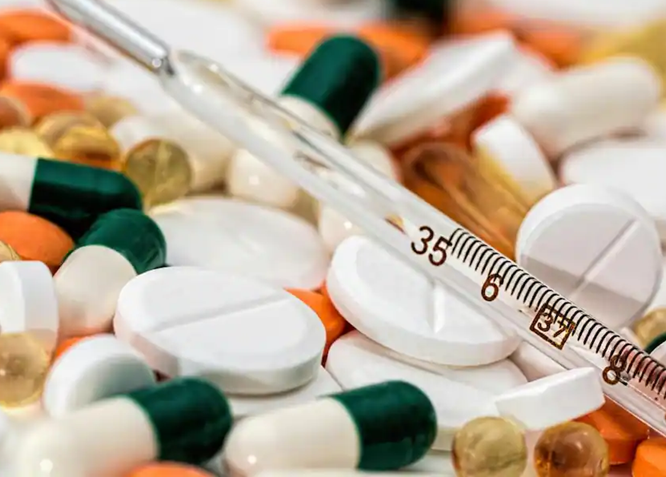
Nimesulide Side Effects: The central government has banned high-dose nimesulide tablets, citing them as a health hazard. Let's explain why.

Nimesulide drug banned
Painkiller Nimesulide News: The Union Ministry of Health and Family Welfare has banned the manufacture, sale, and distribution of oral Nimesulide medications containing doses greater than 100 mg. The ministry cited potential risks to human health as the reason. The decision came into effect immediately with the issuance of a notification on December 29. Nimesulide is a popular non-steroidal anti-inflammatory drug used to treat pain, inflammation, and fever in adults. In India, the drug is available under several popular brand names and fixed-dose combinations, including Nise, Nimulid, and Nicip.
The government has clarified that this is not a blanket ban on nimesulide. The ban applies only to oral medications containing more than 100 mg of nimesulide and those in immediate-release forms. Medications with doses of 100 mg or less and other permitted forms are not subject to this ban.
Why did the government ban high-dose nimesulide?
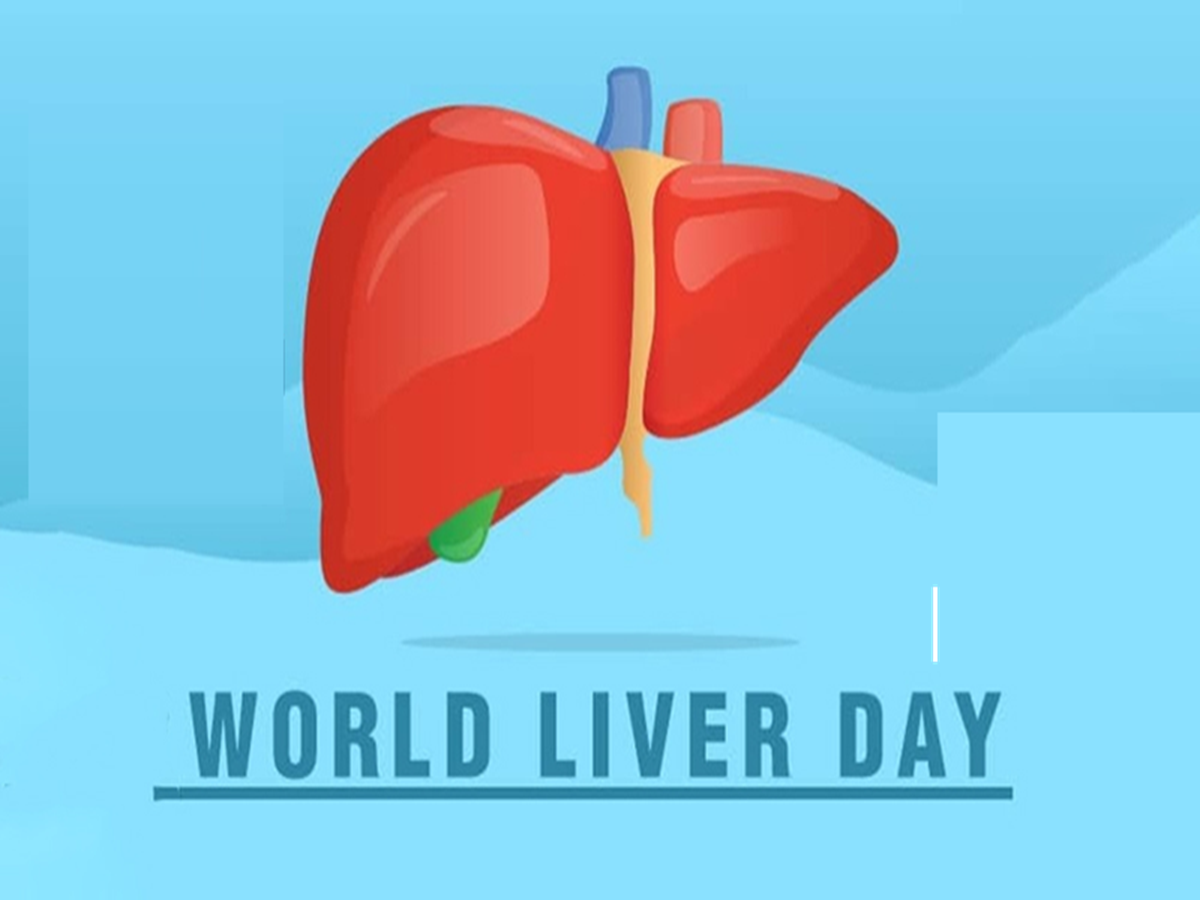
The Ministry of Health stated that immediate-release tablets of nimesulide with a dosage exceeding 100 mg may pose a risk to human health, given that safer alternatives are available in the market. The decision was taken based on the recommendations of the Drugs Technical Advisory Board and implemented under Section 26A of the Drugs and Cosmetics Act, 1940, which empowers the government to ban a drug in the public interest. Nimesulide has long been a source of concern for liver toxicity, especially at high doses.
Nimesulide has already been banned
This isn't the first time this drug has faced action. Previously, nimesulide was banned from use in children under 12 years of age due to a higher risk of liver damage. Furthermore, in February of this year, the government banned the use of nimesulide and its derivatives in animal treatments. Now, this new ban has been extended to high-dose formulations for adults.
What patients should do
Health officials advise patients not to abruptly discontinue the medication. Those currently taking high-dose nimesulide should consult their doctor. Doctors may recommend safer painkillers or anti-inflammatory medications, if needed. By restricting high-dose immediate-release nimesulide, regulators aim to reduce the risk of serious liver-related side effects and ensure that patients have access to safe treatment options.