LIFESTYLE
Needle Threading Trick: Is the thread not going through the needle? These 4 easy hacks will help.
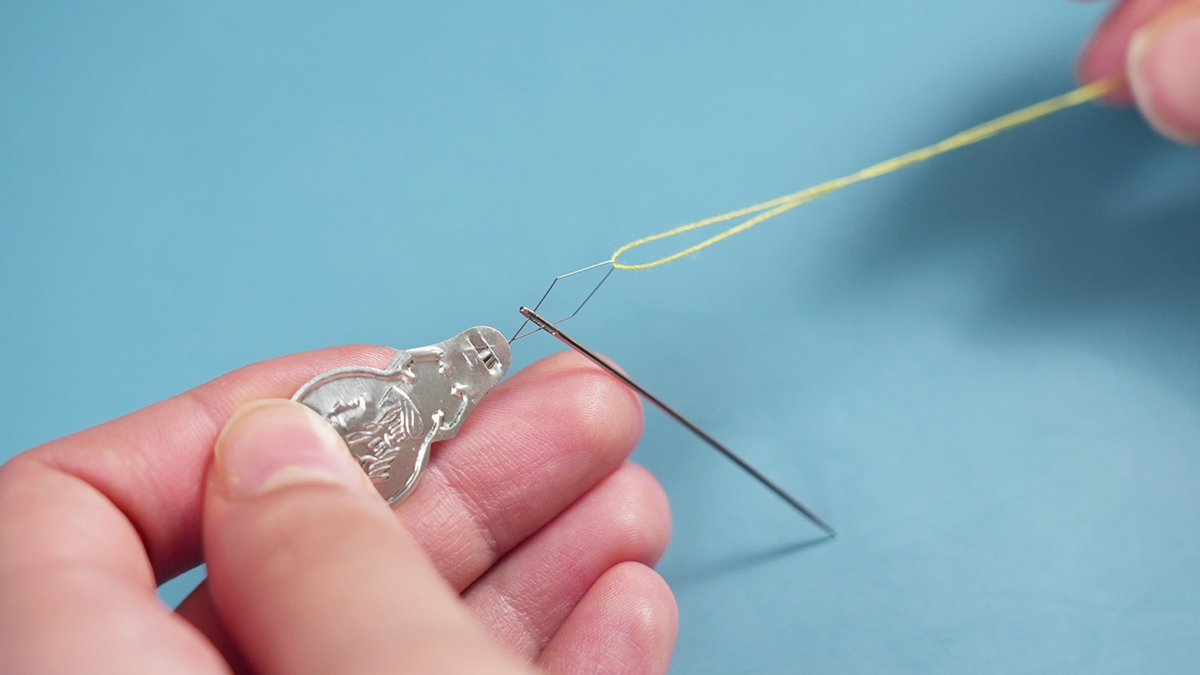
Easy Sewing Tips: To make minor repairs to clothing, the first step is to thread a needle. For many, threading a needle through its tiny hole can be challenging.
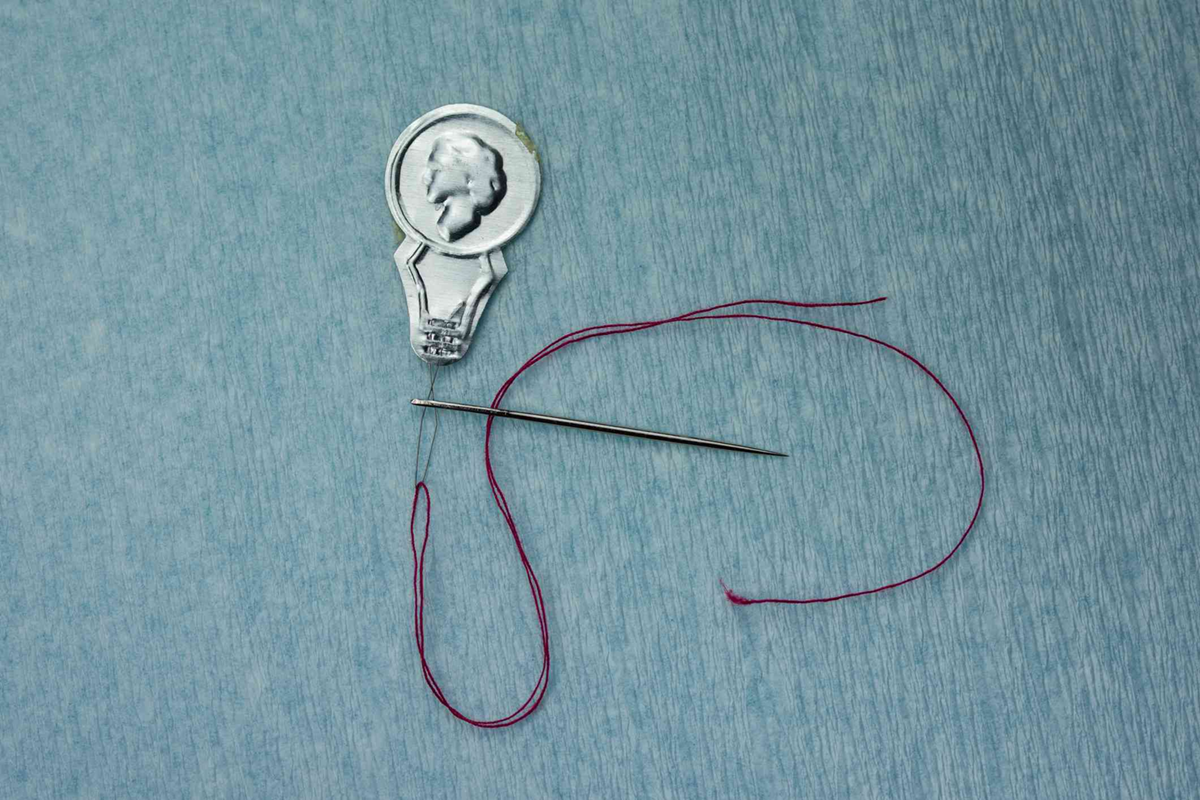
An easy way to thread a needle
How To Thread A Needle Easily: Whether you're sewing clothes, replacing a broken button, or making minor repairs, the first step is threading a needle. This sounds simple, but for many, threading a needle through its tiny hole can be challenging. Sometimes, even after repeated attempts, the thread simply won't fit. The problem is especially acute when the end of the thread has become frayed. However, a few simple tricks can make this task much easier.
When threading a needle, the first thing to pay attention to is the end. If the end is loose or frayed, it won't easily go into the needle. In such a case, cut the end slightly with scissors. This will give you a clean, straight end, making it easier to insert into the needle.
The way of holding the thread is also important.
Many people hold the thread too far back when threading a needle. This causes the thread to twist as it approaches the needle. A better method is to hold a small portion of the thread end between your thumb and finger. This will give you better control over the thread and allow it to reach the needle hole more easily. You can try another method: instead of moving the thread toward the needle, move the needle hole toward the end of the thread. Some people find this method easier. After trying both methods a couple of times, you may understand which method works best for you.
Trick to slightly dampen the thread
This method of threading a needle is quite old and simple. It doesn't require any special equipment. First, cut the frayed end of the thread evenly with scissors. Then, wet your fingers with a little water and lightly dampen the end of the thread. When wet, the tiny fibers of the thread stick together, making the end stiff and straight. Now, try to pull the thread through the eye of the needle. It may be easier to insert it than before. Once the thread comes out the other side, pull it as needed and tie a knot at the end.
Paper can also help you
If you don't have a needle threader at home, a small piece of paper can also be useful. For this, take a thin piece of paper about an inch long and half an inch wide. Fold it lengthwise in the middle. Place the end of the thread in the center of the folded paper. Then, carefully pull the thin end of the paper through the needle eye. The thread will reach the other side along with the paper. After this, remove the paper and pull the thread as needed. This method can be especially useful when the thread is not going into the needle despite repeated attempts.
A needle threader will make work easier.
If you often have trouble threading a needle, you can also use a needle threader. It's small and easy to use. First, insert the thin wire end into the needle's eye. Then, thread the larger end on the other side of the wire. Then, pull the needle threader back out of the needle's eye. The thread will come out with it. Then, remove the threader and pull the thread as far as you need.
Choosing the right needle will also make a difference.
The size of the needle's hole can also make this task easier or more difficult. Threading a needle with a very small hole can be more challenging. If you're learning to sew or teaching children to sew, using a needle with a slightly larger hole may be easier. This will save you the hassle of trying to thread the needle again and again. So, next time you're struggling to thread a needle, cut the end cleanly and try slightly dampening it. If that still doesn't work, you can try the paper trick or a needle threader. With a little care and the right approach, this seemingly difficult task can be accomplished in seconds.