LIFESTYLE
National Doctors' Day 2026: Why Self-Medicating Can Be Risky and When You Should See a Doctor
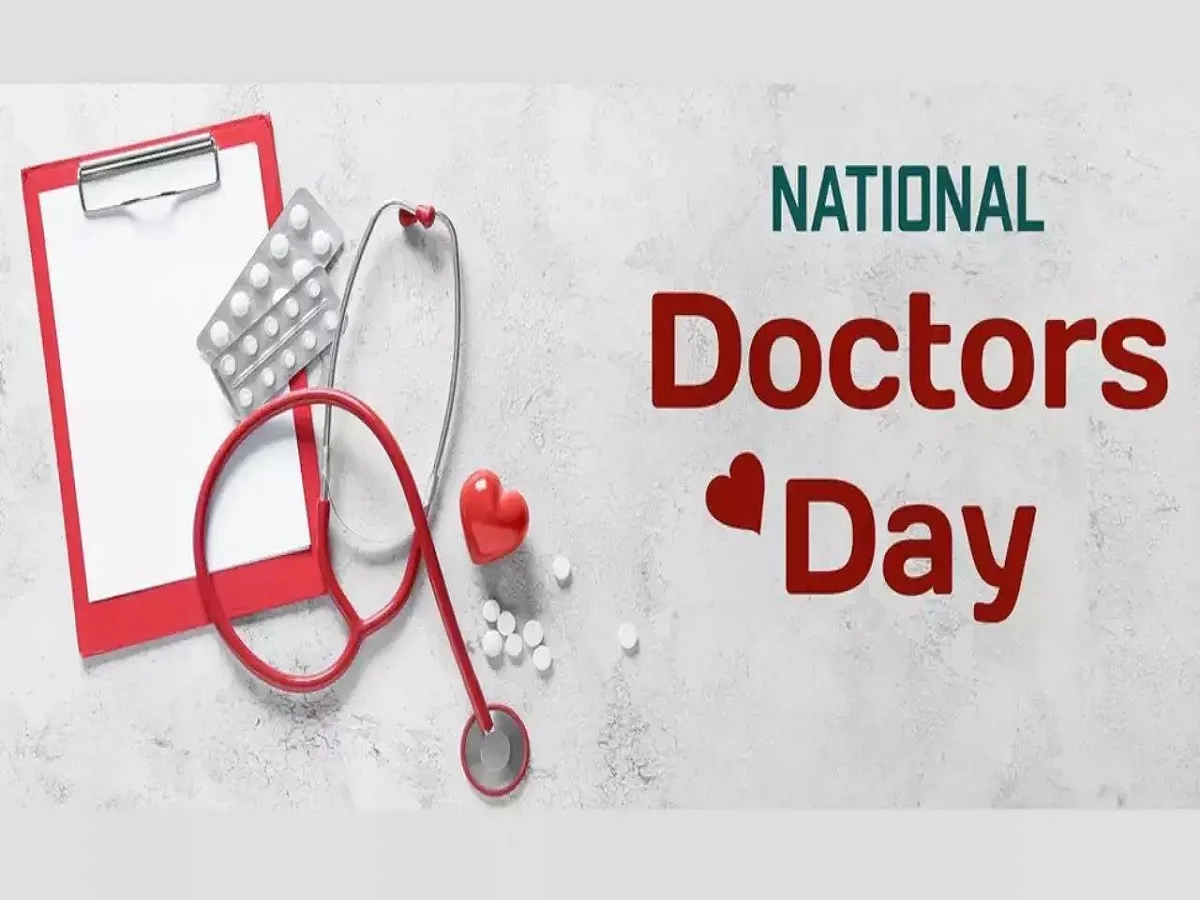
As India observes National Doctors' Day 2026, the occasion serves not only as a tribute to the medical professionals who care for patients every day but also as an important reminder about the safe use of medicines. While over-the-counter remedies and home treatments may seem convenient, taking medication without proper medical advice can sometimes do more harm than good.
Many people rely on internet searches, social media recommendations, or advice from friends and family to treat common health problems such as headaches, acidity, body aches, fever, or the common cold. However, health experts caution that self-medication can delay proper diagnosis and, in some cases, lead to serious complications.
What Is Self-Medication?
Self-medication refers to taking medicines without consulting a qualified healthcare professional. This may include:
- Using over-the-counter (OTC) medicines without guidance
- Taking leftover prescription medicines
- Using antibiotics without a doctor's prescription
- Following medication advice from social media or online videos
- Sharing medicines prescribed to someone else
Although some non-prescription medicines can be used safely for minor conditions when taken as directed, repeated or inappropriate use may pose health risks.
Why Taking Medicines Without Medical Advice Can Be Dangerous
Many people reach for painkillers, antacids, antibiotics, or cold and flu medicines as soon as they develop symptoms.
While these medications may provide temporary relief, they often treat the symptoms rather than the underlying cause of the illness.
As a result, a potentially serious medical condition may go unnoticed until it becomes more advanced.
In addition, every medicine has potential side effects, recommended dosages, and situations in which it should or should not be used. Taking medication without proper evaluation increases the risk of unwanted health complications.
Drug Interactions Can Cause Serious Problems
One of the biggest concerns with self-medication is the possibility of drug interactions.
If you are already taking medicines for conditions such as diabetes, high blood pressure, heart disease, thyroid disorders, or other chronic illnesses, adding another medicine without consulting a doctor may affect your treatment.
Drug interactions can lead to:
- Reduced effectiveness of medications
- Increased risk of side effects
- Unexpected allergic reactions
- Serious health complications in some cases
To help ensure safe treatment, healthcare providers recommend informing your doctor about all products you are taking, including:
- Prescription medicines
- Over-the-counter medications
- Vitamins and nutritional supplements
- Herbal or Ayurvedic products
- Traditional remedies
Providing a complete medication history allows your doctor to make safer treatment decisions.
Misusing Antibiotics Can Lead to Antibiotic Resistance
Health experts continue to warn against taking antibiotics without medical advice.
Antibiotics are designed to treat bacterial infections, not illnesses caused by viruses such as the common cold or most cases of seasonal flu.
Using antibiotics unnecessarily or stopping the prescribed course early can contribute to antimicrobial resistance, a growing global public health concern. This can make bacterial infections harder to treat in the future because bacteria become resistant to commonly used medicines.
For this reason, antibiotics should only be taken when prescribed by a qualified healthcare professional.
When Should You Consult a Doctor?
Instead of relying solely on self-medication, medical advice should be sought if:
- Symptoms are severe or rapidly worsening.
- The illness keeps returning.
- Symptoms persist for several days without improvement.
- You experience unexplained or persistent pain.
- You notice unusual bleeding, high fever, difficulty breathing, or other concerning symptoms.
- You have an existing medical condition or take regular prescription medicines.
Early consultation can help identify the underlying cause of symptoms and allow appropriate treatment to begin sooner.
Tips for Using Medicines Safely
To reduce the risks associated with self-medication, consider the following precautions:
- Take medicines exactly as directed by your healthcare provider or according to the product label.
- Never share prescription medicines with others.
- Avoid taking antibiotics without a prescription.
- Check expiry dates before using any medication.
- Store medicines safely and out of children's reach.
- Consult a pharmacist or doctor if you are unsure about a medicine or its dosage.
National Doctors' Day: A Reminder to Prioritize Safe Healthcare
National Doctors' Day is an opportunity to recognize the dedication of doctors while also encouraging responsible healthcare practices. Although self-care is important for minor illnesses, medicines should not replace professional medical advice when symptoms persist or become severe.
Seeking timely medical guidance can help ensure accurate diagnosis, appropriate treatment, and better health outcomes. When in doubt, consulting a qualified healthcare professional is always the safest approach rather than relying on self-medication or unverified online advice.