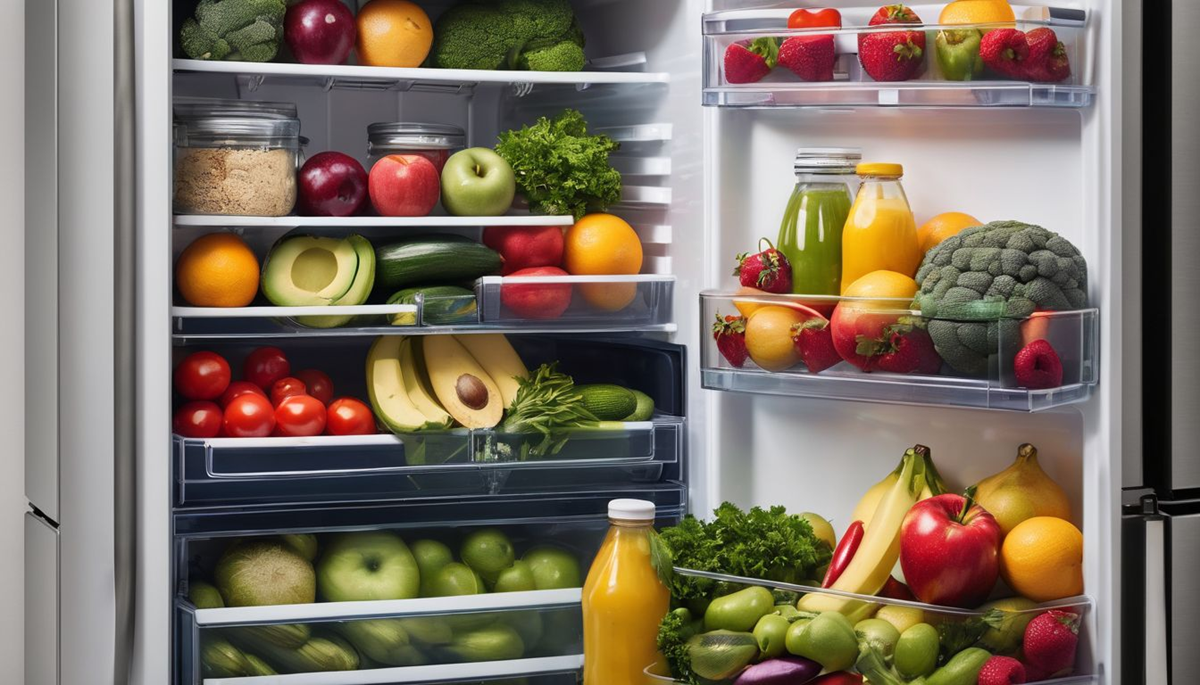
LIFESTYLE
Should You Work Out on an Empty Stomach? Potential Risks, Benefits, and What Experts Recommend
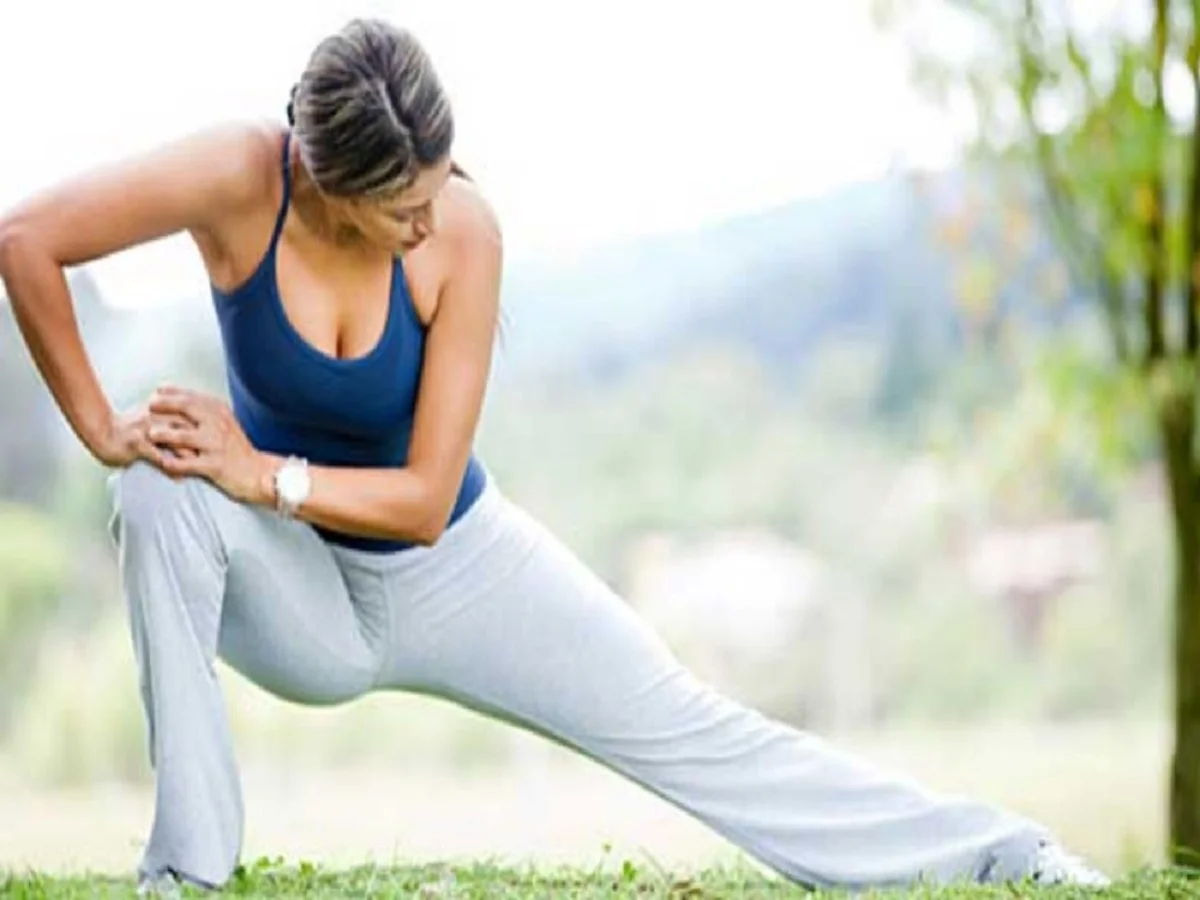
One of the most common fitness debates is whether exercising on an empty stomach is better than eating before a workout. Some people believe fasted workouts help burn more fat, while others say eating beforehand provides the energy needed for better performance.
The truth is that there isn't a one-size-fits-all answer. Whether exercising without eating is suitable depends on your health, the type of workout, and your fitness goals.
Here's what health and fitness experts say about fasted exercise and the precautions you should consider.
Is It Safe to Exercise on an Empty Stomach?
For many healthy individuals, exercising before breakfast may be safe for certain low-intensity activities. However, it is not the best approach for everyone.
Whether you should work out on an empty stomach depends on several factors, including:
- Your overall health
- The intensity and duration of the workout
- Your fitness objectives
- How your body responds to fasting
- Any existing medical conditions
Light activities such as walking, gentle yoga, stretching, or easy cycling may be comfortable for some people without eating beforehand.
On the other hand, high-intensity workouts, strength training, long-distance running, or endurance exercises generally require more energy, which often comes from food consumed before exercise.
Does Exercising While Fasting Burn More Fat?
Some research suggests that exercising in a fasted state may increase fat utilization during the workout. However, this does not necessarily mean it leads to greater long-term fat loss or weight reduction.
Overall weight management depends on multiple factors, including:
- Total calorie intake
- Physical activity levels
- Balanced nutrition
- Sleep quality
- Consistency over time
Experts generally recommend focusing on sustainable exercise habits rather than relying solely on fasted workouts for weight loss.
Why Proper Nutrition Matters
Nutrition plays a major role in exercise performance and recovery.
Eating appropriate foods before and after exercise helps support:
- Energy production
- Muscle performance
- Recovery after workouts
- Overall physical health
A balanced diet containing carbohydrates, protein, healthy fats, vitamins, and minerals is essential regardless of whether you exercise in the morning or later in the day.
Possible Risks of Working Out Without Eating
Although some people tolerate fasted workouts well, others may experience unwanted symptoms, particularly during vigorous exercise.
Potential risks include:
- Low energy levels
- Early fatigue
- Weakness during exercise
- Dizziness or light-headedness
- Difficulty concentrating
- Reduced workout performance
- Low blood sugar (especially in susceptible individuals)
If you experience any of these symptoms, stop exercising, hydrate, and seek medical advice if symptoms persist.
Who Should Be Extra Careful?
People with certain medical conditions should avoid fasted workouts unless advised otherwise by a healthcare professional.
This includes individuals with:
- Diabetes
- Low blood sugar (hypoglycemia)
- Heart disease
- Certain hormonal disorders
- Other chronic medical conditions
Pregnant individuals and people taking medications that affect blood sugar should also consult their doctor before exercising without eating.
What to Eat Before a Workout
If you prefer eating before exercise, choose light, easily digestible foods that provide energy without causing discomfort.
Some suitable options include:
- A banana
- Oatmeal
- Yogurt
- Fresh fruit
- Whole-grain toast
- A small portion of nuts with fruit
The ideal pre-workout meal depends on the timing and intensity of your exercise.
For larger meals, allowing sufficient time for digestion before vigorous exercise may help reduce stomach discomfort.
Stay Hydrated Before and During Exercise
Hydration is just as important as nutrition.
Drinking enough water before, during, and after exercise helps:
- Maintain body temperature
- Support physical performance
- Reduce the risk of dehydration
- Aid recovery
Fluid requirements vary depending on weather conditions, exercise intensity, and individual needs.
Tips for a Safer Workout
To make your exercise routine more effective and comfortable:
- Avoid intense workouts immediately after eating a heavy meal.
- Give your body enough time to digest food before vigorous exercise.
- Stay well hydrated throughout the day.
- Listen to your body's signals and adjust your routine if necessary.
- Warm up before exercising and cool down afterward.
- Seek professional advice before starting a new fitness program if you have an underlying medical condition.
The Best Workout Routine Is the One That Fits Your Body
There is no universal rule that everyone should exercise on an empty stomach or always eat before a workout. What works best depends on your individual health, fitness goals, and how your body responds to exercise.
For light activities, some people may comfortably exercise without eating. For longer or higher-intensity workouts, consuming a light, nutritious snack beforehand may help improve performance and reduce fatigue.
If you have diabetes, frequent dizziness, or any chronic medical condition, consult a healthcare professional or a certified fitness expert before adopting a fasted workout routine.