LIFESTYLE
Mosquito Control Tips: Mosquitoes and flies are increasing in the house during the rainy season; adopt these measures immediate

How to Keep Mosquitoes Away: With the onset of rain, the problem of mosquitoes, flies, and other insects in the home also increases. Stagnant water, moisture, and exposed food around the house can attract them.
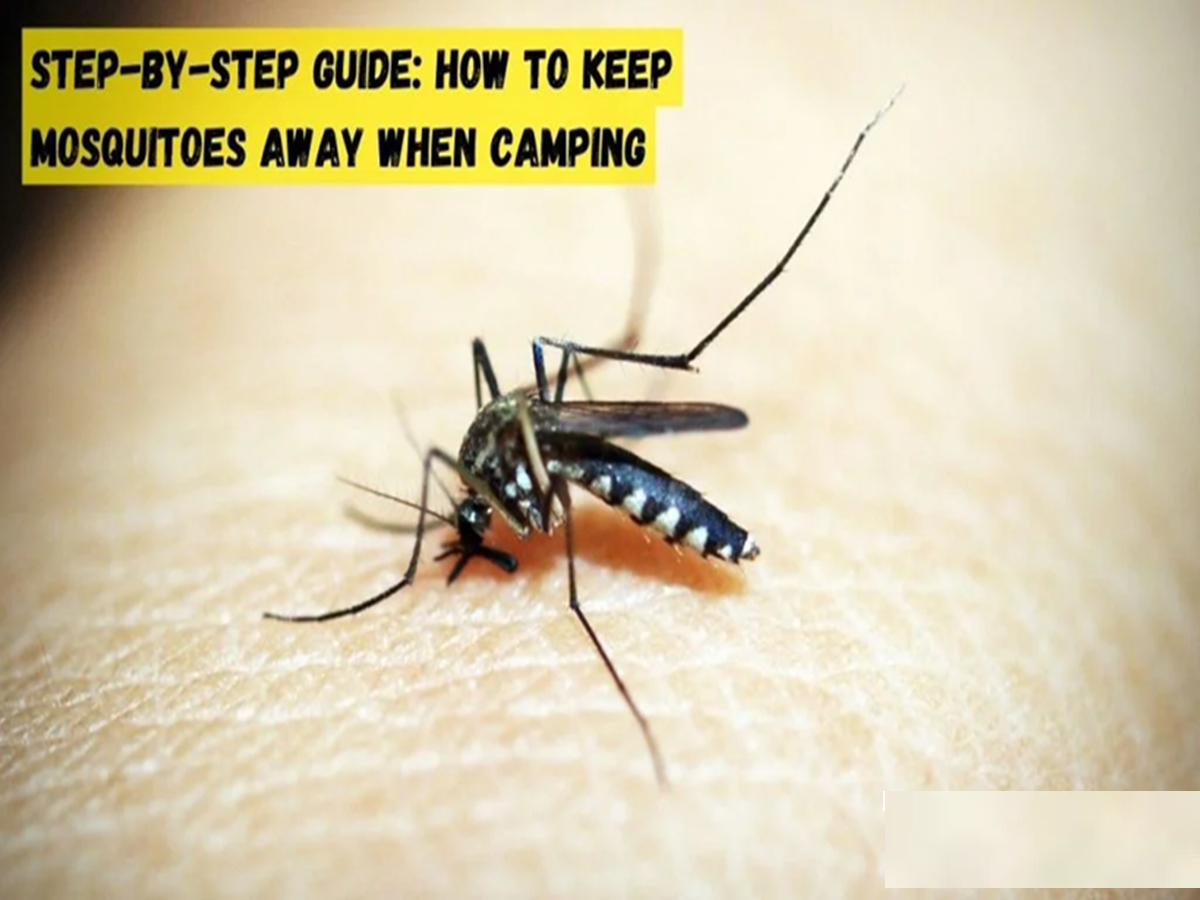
Ways to get rid of mosquitoes and flies during the rainy season
Dengue and Malaria Prevention Tips at Home: The monsoon season certainly provides relief from the heat, but with the rain comes the problem of mosquitoes, flies, and other insects in the home. Stagnant water, moisture, and exposed food around the home can attract them. Some mosquito species can also spread diseases like malaria, dengue, and chikungunya. Therefore, it's important to maintain cleanliness and take care of a few small things during the rainy season.
To ward off mosquitoes and flies, people often turn to home remedies like neem oil, cloves, cinnamon, and citronella. Research has been conducted on some of these ingredients, but instead of relying solely on these remedies, it's more important to pay attention to areas in the home that allow insects to enter or provide favorable breeding grounds.
Do not allow water to accumulate around the house.
To keep mosquitoes away from your home, first pay attention to stagnant water. According to the World Health Organization's dengue prevention information, the Aedes mosquito, which spreads dengue, can lay eggs in clean, stagnant water. Therefore, it's important to regularly check even the smallest areas of water accumulation in your home. Avoid allowing water to remain stagnant for days in coolers, buckets, trays under flower pots, AC trays, or other such areas. Keep water-storage containers covered and clean them regularly. Water can also accumulate in items stored on the balcony or terrace after a rainstorm, so don't ignore these areas.
Close the entry with windows and doors.
No matter how clean your home is, if mosquitoes and flies easily enter through windows and doors, it will still be a problem. Installing well-fitting screens on windows and ventilation openings is an easy way to prevent this. Seal any gaps around doors and windows. Avoid leaving doors open for long periods, especially in the evening. This way, insect infestation can be significantly reduced without relying on chemicals or home remedies.
Change the habit of leaving food open.
Flies and cockroaches can be attracted to food and garbage. Therefore, avoid leaving food exposed on kitchen counters. Cover cooked food and clean up any crumbs that spill onto counters and dining tables after eating. It's best to use a dustbin with a lid for kitchen trash. Avoid storing garbage indoors for extended periods of time. Leaving dirty dishes in the sink overnight can also attract insects, so keep the kitchen as clean and dry as possible.
Do not ignore the humidity in the house
Increased humidity inside homes is a common problem during the monsoon. Bathrooms, kitchens, and poorly ventilated rooms can remain damp for extended periods. Running exhaust fans and maintaining proper ventilation where possible can be beneficial. Wooden furniture should also be protected from persistent moisture. Damp wood can be a breeding ground for termites. Therefore, keep wooden furniture dry and avoid placing it against walls that are damp.
Where can Neem oil be useful?
Some research on neem oil has shown its potential benefits in protecting wood from termites. Therefore, it can be used as a preventative measure to protect wooden furniture. However, if the furniture is already heavily infested with termites, it may be better to seek professional pest control services if necessary rather than relying solely on neem oil.
Use cloves and cinnamon wisely.
Cloves and cinnamon are also often used as home remedies to repel insects. Some studies have shown that clove and cinnamon-based products are effective against certain grain pests. Therefore, they may be used with limited scope to preserve items like rice, lentils, or flour. However, there is insufficient scientific evidence to suggest that sprinkling cinnamon powder throughout a room will repel all mosquitoes and flies. Therefore, it is best to use home remedies only for purposes where there is evidence of their effectiveness.
Essential oils can also be an option.
Some essential oils, such as citronella, lavender, peppermint, and lemongrass, have been researched to repel mosquitoes. Some studies have found their repellent properties. However, their effectiveness may depend on the method and dosage of use. Simply spraying a very diluted oil in the corners of a room is not a surefire way to prevent mosquitoes.
To avoid mosquitoes and flies during the monsoon season, adopting several small habits can be more beneficial than relying on a single home remedy. Preventing water from accumulating around the house, installing screens on windows and doors, keeping food covered, regularly taking out the garbage, and keeping the humidity low are some of the most important steps.