Even today, a large population in India is unable to meet their daily protein needs, despite having a full plate. Learn more about the report, "The State of Protein and Fiber in Urban India."
Protein deficiency
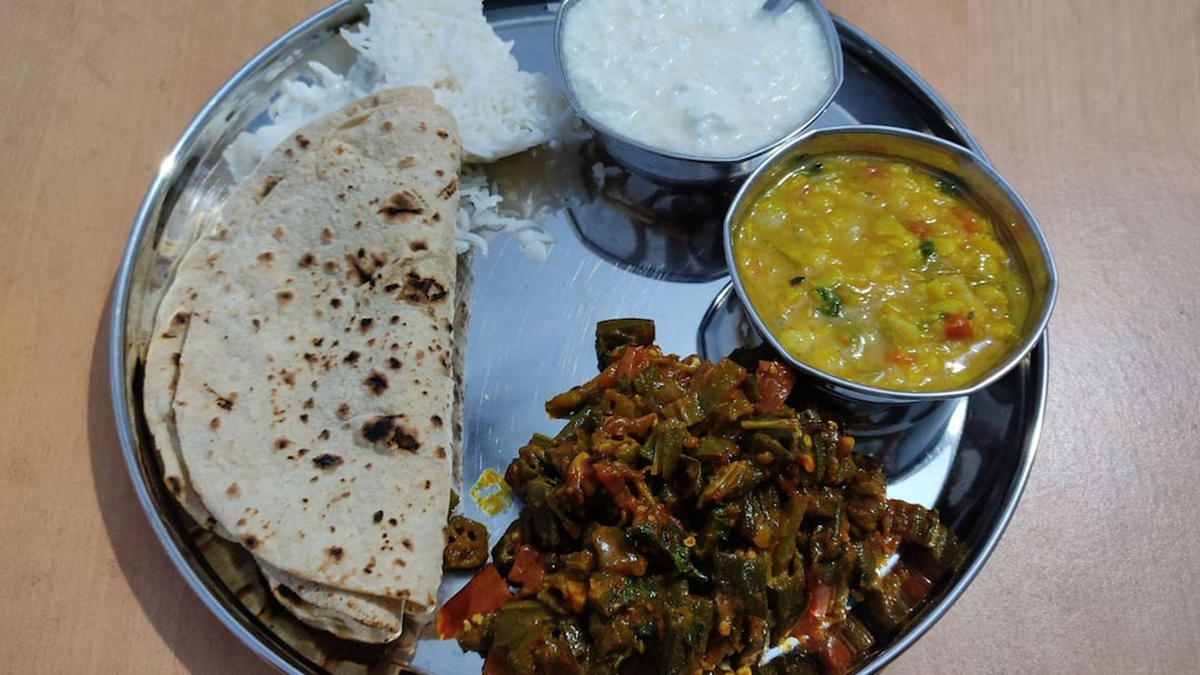
Items like lentils, rice, roti, vegetables, and milk have long been a part of the Indian diet. Yet, a significant portion of the population lags behind in meeting their protein needs. A recent report, "The State of Protein and Fiber in Urban India," draws attention to this shortcoming. According to the report, approximately 73 percent of people in the country are not getting enough protein in their daily diet. This means that while the food is sufficient to fill the stomach, it is not nutritionally balanced to meet the body's needs.
This study was conducted by PepsiCo India and Euromonitor International in collaboration with the Indian Institute of Millet Research (IIMR) in five major cities: Delhi, Mumbai, Bengaluru, Kolkata, and Kochi. Read the full report.
Big challenge in cities too
The report states that 44 percent of people in cities and 36 percent in rural areas are unable to meet their daily protein needs. This difference indicates that the problem isn't solely related to food availability. Food preferences, prices, awareness, and daily habits are also contributing factors. Especially in cities, the availability of takeout and ready-to-eat options, along with changing lifestyles, is making it challenging to maintain a nutritious diet. A significant number of urban residents consumed less than 41 grams of protein daily. The report also revealed that 60 percent of people found protein-rich food products expensive, while 57 percent cited the lack of convenient options as a reason. This suggests that people consider protein essential, but not everyone has easy and affordable ways to add it to their daily diet.
Expensive options are not necessary for protein.
There's no need to look for expensive or specialized food products for protein. Many options already exist in Indian kitchens that, with a little thought, can be incorporated into the diet to meet protein deficiencies. Pulses, chickpeas, kidney beans, soybeans, milk, yogurt, cheese, eggs, fish, and nuts are excellent sources of protein. For vegetarians, food products made from pulses, chickpeas, soy, and milk are ideal. Adding pulses or other protein-rich foods to cereals can increase the protein content of a meal.
The greatest focus is on children's nutrition.
The report reveals that every third child under the age of five is malnourished. Approximately 35 percent of children are affected by stunting, and 32 percent by underweight. Lack of adequate nutrition during childhood not only impacts health at that time, but also physical development, learning ability, and later health. Therefore, it is important to pay attention not only to the quantity of food on children's plates, but also to its quality.
Millets can strengthen your plate.
The report also highlights millets as a useful alternative. Grains like jowar, bajra, and ragi provide fiber and numerous nutrients. Pairing them with lentils, milk, yogurt, eggs, or other protein sources can make your daily diet more balanced. This means you only need to add a few nutritious ingredients to your thani to increase its protein content, rather than replacing it.