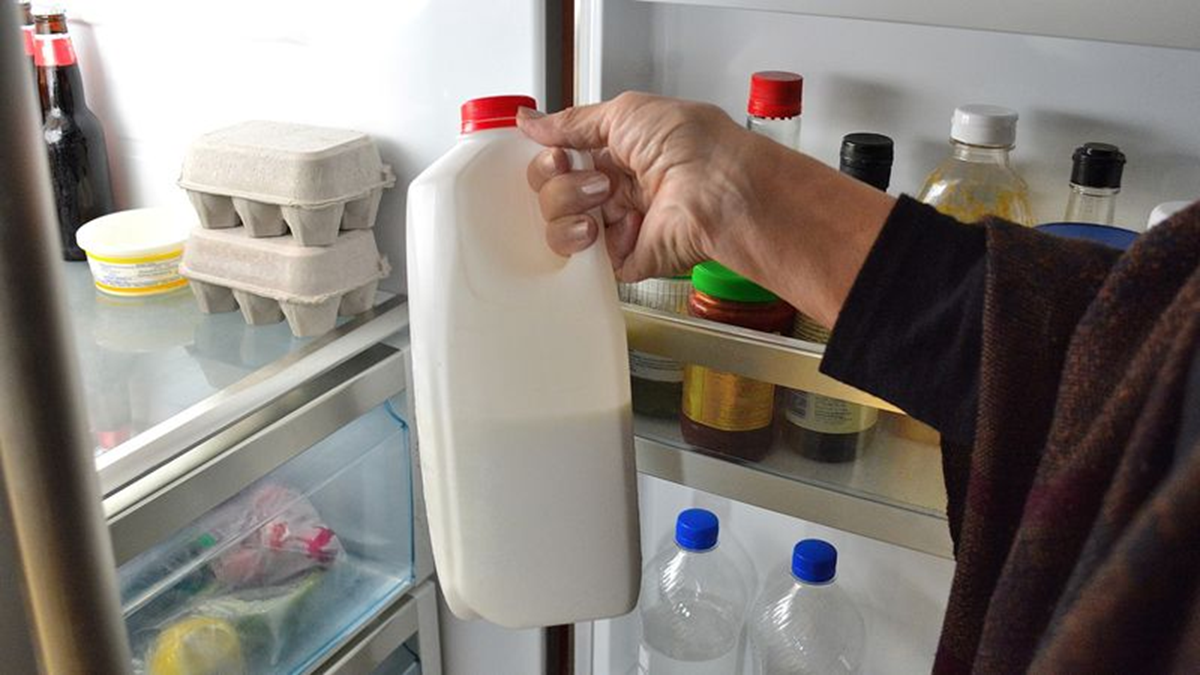
Fresh Milk: The temperature inside a refrigerator isn't always the same. Some areas are colder, while others experience frequent temperature fluctuations. The refrigerator door is particularly important.
Why does milk turn sour even after keeping it in the fridge?
How to Keep Milk Fresh for Longer in the Refrigerator: To prevent milk from spoiling, we keep it in the refrigerator. But sometimes, despite refrigeration, milk quickly starts to sour. If this happens to you, it's not right to blame only the quality of the milk or the refrigerator. In fact, the way we store milk in the refrigerator and some of our daily habits can also affect its freshness.
The temperature inside the refrigerator isn't always the same. Some areas are colder, while others experience frequent temperature fluctuations. The refrigerator door, in particular, is the area where temperatures can fluctuate the most. Every time the refrigerator is opened, warm air from outside is drawn in, and the contents inside are directly exposed to these fluctuations.
Keeping milk in the refrigerator door can be costly.
It might seem easy to place a milk bottle or packet in the slot in the refrigerator door. The location seems ideal, but this isn't the best place for milk. The door opens and closes frequently, making the temperature here more unstable than in other areas.
Milk exposed to these temperatures for extended periods can increase the risk of spoilage. This is why it's best to store milk on an inside shelf rather than the refrigerator door. In particular, the middle or bottom shelves may be more suitable for milk, as the temperature there remains relatively cool and stable.
Refrigerator space is not the only reason.
If you're worried about milk turning sour quickly despite storing it in the right place, it's important to pay attention to some of your habits. The most common mistake is leaving milk out for longer than necessary. Let's say you took milk out in the morning for tea or breakfast and then took a long time to put it back in the refrigerator. During this time, the milk remains exposed to room temperature. Bacteria can grow rapidly in a warm environment, increasing the chances of milk spoiling quickly. Therefore, take out only the required amount of milk and put the remaining milk back in the refrigerator immediately. Leaving a milk bottle or packet on the table for a long time while having breakfast is not good for its shelf life.
Keep the refrigerator temperature correct.
Refrigerator temperature is also important for keeping milk fresh for a long time. Generally, it's best to keep the refrigerator temperature around 37 degrees Fahrenheit (3 degrees Celsius). Temperatures near or above 40 degrees Fahrenheit (4.4 degrees Celsius) can increase the risk of bacterial growth. Therefore, if milk stored in the refrigerator repeatedly turns sour, instead of simply replacing the milk, check the refrigerator temperature. Overfilling the refrigerator or repeatedly leaving the door open for long periods can also lead to a loss of temperature.
The time of bringing milk from the market also matters.
Keeping milk fresh longer starts right from the moment you buy it, not after you get home. If you're grocery shopping, it's best to pick up milk last. This will reduce the time it spends in a warm environment. Once home, put the milk straight into the refrigerator. Leaving it on the kitchen counter while you freeze or do other chores isn't a good practice.
What should the refrigerator door be kept for?
It's best to store non-perishable items in the refrigerator door, such as ketchup, mustard, soy sauce, jam, salad dressings, and bottled beverages. These items are less affected by small temperature changes than milk or cream. The same caution applies to other dairy products, such as cream, half-and-half, and whipping cream. Even non-dairy milks need to be kept at a sufficiently cool temperature after opening.
What if you want to store milk for a longer period?
If milk is not going to be used for a long time, it can be frozen. However, use a freezer-safe container and leave some space at the top, as milk expands when frozen. It is also helpful to seal the container tightly and write the date on it. It is better to thaw frozen milk slowly in the refrigerator before use, rather than leaving it at room temperature. The milk's texture may change slightly after thawing, but it can be used after stirring well.