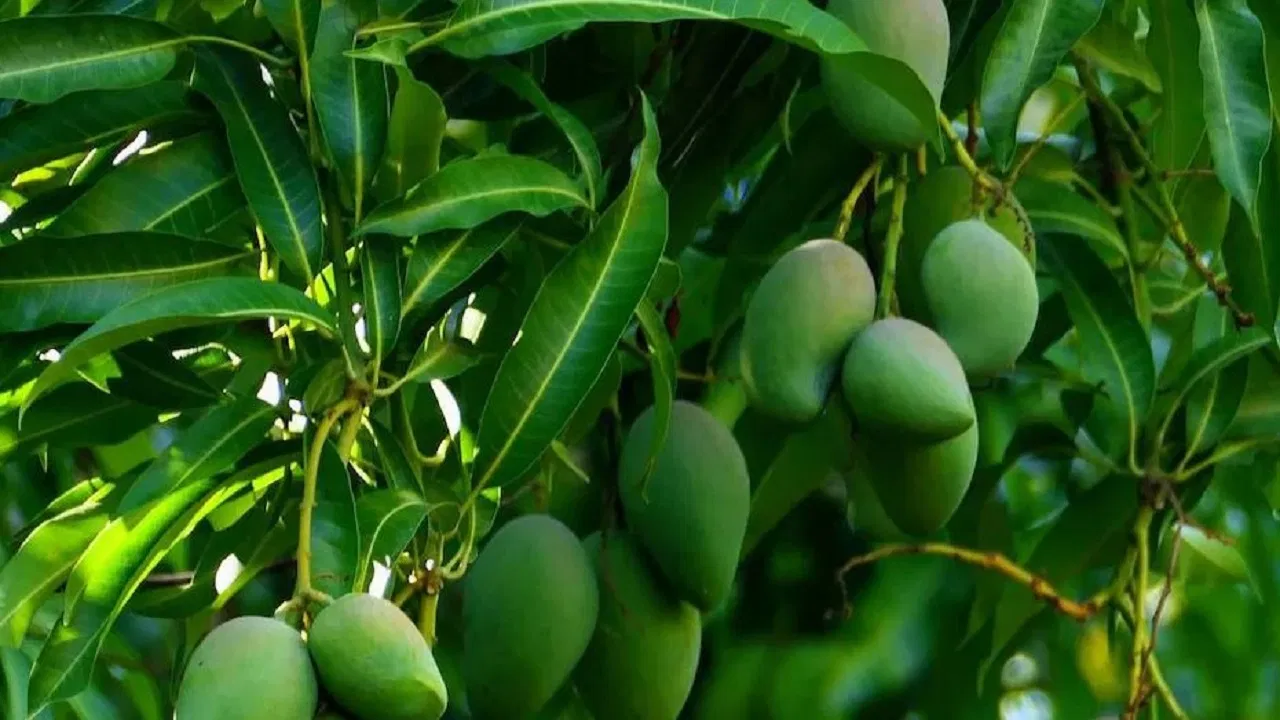
In a significant environmental case in Bijnor, Uttar Pradesh, five individuals have been slapped with a hefty fine of Rs 2.66 crore for illegally cutting down 17 mango trees. This unprecedented fine is the first of its kind in the state for cutting mango trees without permission, and it follows a prolonged legal battle that began six years ago.
The Incident
The incident dates back to November 17, 2019, when the Forest Department received a tip about the illegal felling of 17 mango trees on the land of Brajpal Singh in the village of Yusufpur Hamid. Upon investigation, a forest team discovered that the trees were being cut down without any valid authorization, and their wood was being loaded onto a tractor. The team quickly seized the tractor and registered an FIR against five accused under the Uttar Pradesh Tree Protection Act.
The Accused and Legal Proceedings
The accused in the case include Brajpal Singh, Mazhar, Yamin, Tahzeeb, and Shahid. Despite multiple efforts to notify the accused, including sending a formal notice to appear in court on March 17, 2025, the accused failed to show up. In light of this, the Forest Department has assumed that the accused have admitted to their crime.
Environmental Damage and Fine
The investigation revealed that the cut mango trees were approximately 15 years old. According to the Central Environmental Committee of the Supreme Court, the environmental damage caused by cutting a single tree is valued at Rs 74,500 annually. With 17 trees being felled, the total environmental damage was calculated at Rs 2,65,96,500.
On top of this, the Forest Department has imposed an additional fine of Rs 85,000, bringing the total penalty to Rs 2.66 crore.
What’s Next?
The charge sheet against the five accused has now been filed in the Chief Judicial Magistrate (CJM) Court, and the first hearing of the case is scheduled for May 20, 2025. This case marks a major step towards holding individuals accountable for environmental damage, with a substantial financial penalty reflecting the seriousness of the crime.