WB Election
Mamata Banerjee Refuses to Resign After Bengal Election Defeat, Asks TMC MLAs to Wear Black in Protest
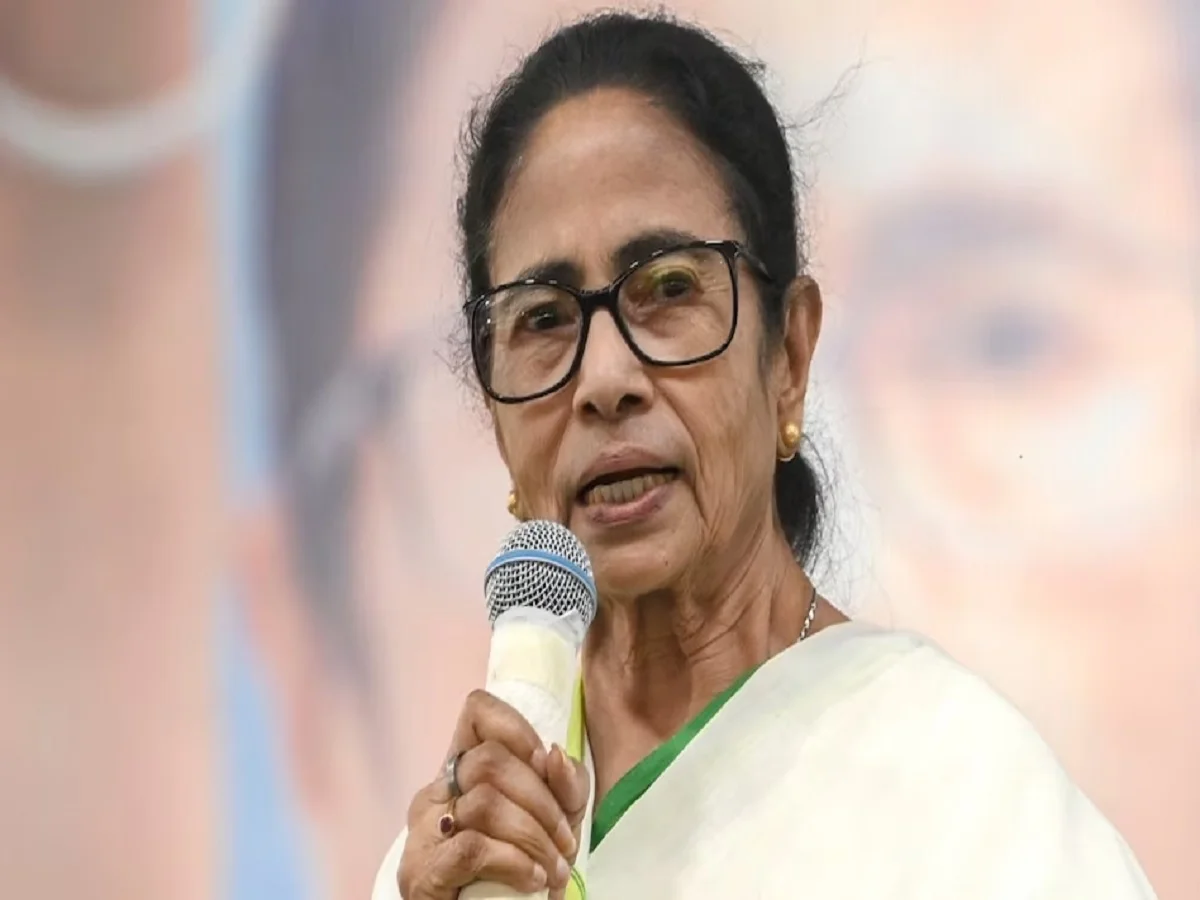
A major political controversy has erupted in West Bengal after Mamata Banerjee reportedly refused to resign following her party’s defeat in the state assembly elections declared on May 4.
The All India Trinamool Congress chief has strongly questioned the election outcome and alleged large-scale irregularities during the electoral process. Her statements have intensified political tensions in the state, where post-election violence and protests have already become major concerns.
According to reports, Mamata Banerjee also instructed newly elected party MLAs to wear black clothes during the first day of the upcoming assembly session as a symbolic protest.
Mamata Banerjee Raises Serious Allegations Over Election Results
Following the election results, Mamata Banerjee reportedly accused multiple institutions of being involved in what she described as an unfair electoral process.
Among her major allegations were claims that:
- Several TMC candidates were deliberately defeated through a conspiracy
- More than 1,500 party offices were allegedly taken over forcibly
- Election management agencies failed to ensure neutrality
She reportedly held the following authorities responsible:
- Election Commission of India
- West Bengal Police
- Central Reserve Police Force (CRPF)
- State election administration officials
The allegations have further deepened the political confrontation between the ruling establishment and opposition groups in the state.
“I Will Not Resign,” Says Mamata Banerjee
During a meeting with newly elected legislators, Mamata Banerjee reportedly made it clear that she would not resign despite the electoral setback.
According to reports, she stated that even if efforts were made to remove her from office, she would continue her political fight.
The TMC chief also called for observing the occasion as a “Black Day” in protest against the election outcome and alleged irregularities.
Party MLAs were reportedly instructed to wear black clothes on the first day of the upcoming assembly session as a symbolic mark of protest.
Warning Against Internal Rebellion
Mamata Banerjee also reportedly warned party members against betrayal or internal dissent during the politically sensitive period.
According to reports:
- Leaders accused of disloyalty could face expulsion from the party
- TMC would continue its political struggle despite the defeat
- The party leadership remains united around her leadership
Political analysts say the statements are aimed at maintaining organizational control and preventing internal fragmentation after the electoral setback.
TMC Defends Its Protest Strategy
Kunal Ghosh also defended the party’s stance and reportedly argued that maintaining peace after elections was primarily the responsibility of election authorities.
He criticized what he described as a mismatch between official political claims and the ground reality of post-election violence in several areas.
According to party leaders, Mamata Banerjee’s refusal to resign is being projected as a symbolic protest against what they describe as electoral injustice.
New Government Formation Process Begins
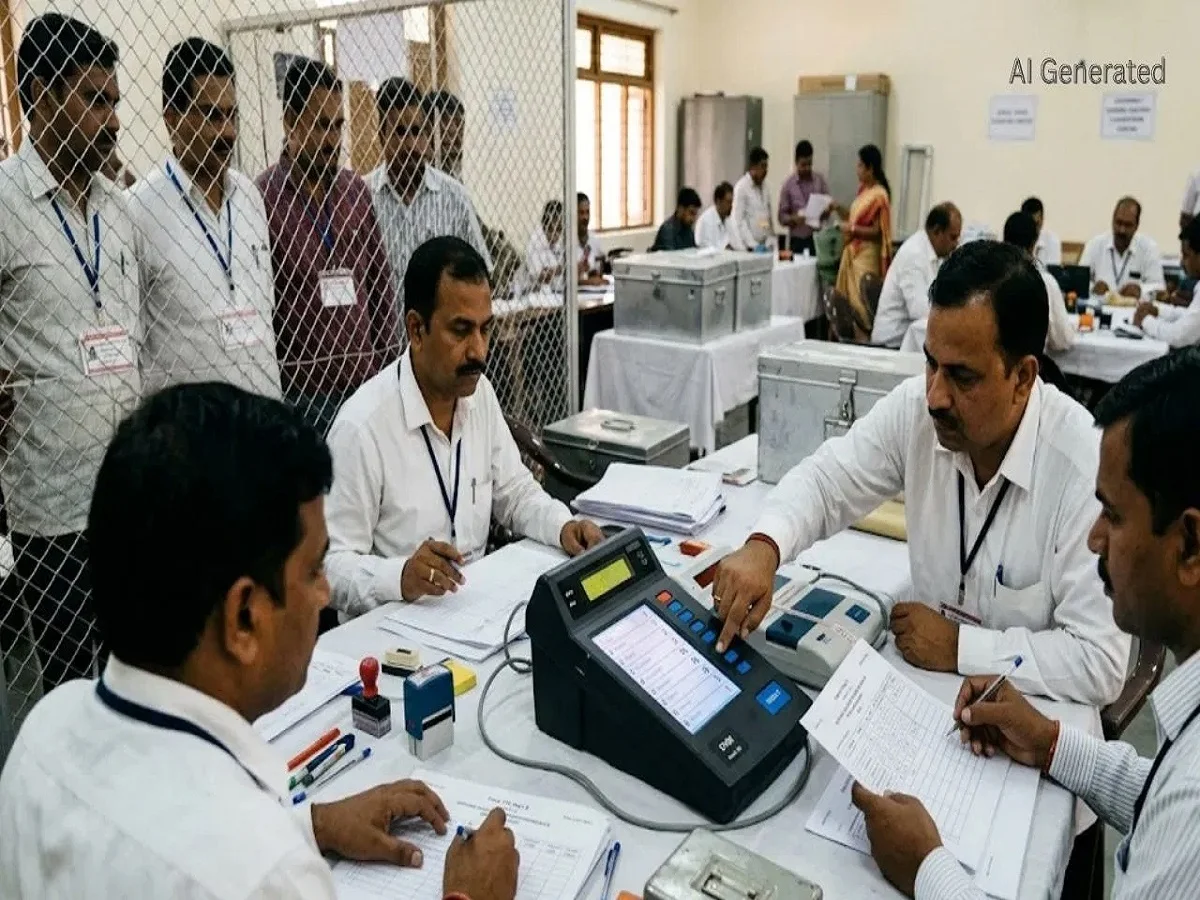
Meanwhile, with the election results officially declared, the constitutional process of government formation in West Bengal has already begun.
Under India’s parliamentary system, the party or alliance commanding majority support in the assembly is invited to form the government.
Despite questioning the legitimacy of the electoral outcome, Mamata Banerjee has reportedly refused to step aside voluntarily at this stage.
Election Authorities Clarify Their Constitutional Role
According to reports, Chief Electoral Officer Manoj Kumar Agarwal clarified that the role of the Election Commission is limited to:
- Conducting elections
- Ensuring voting procedures
- Declaring results
He reportedly emphasized that government formation takes place under constitutional provisions after the electoral process concludes.
Political Tensions Continue Across Bengal
The political atmosphere in West Bengal remains highly tense following the election results.
Reports of:
- Political clashes
- Arson
- Attacks on party offices
- Street protests
- Security deployments
have emerged from multiple districts in recent days.
Security forces and administrative authorities are continuing to monitor sensitive regions closely to prevent further escalation.
Constitutional Debate Intensifies
Mamata Banerjee’s refusal to resign has also triggered debate among constitutional experts and political observers regarding democratic conventions and the role of majority support in government formation.
Experts point out that under India’s constitutional framework:
- Governments must ultimately prove majority support in the assembly
- Political protests do not override constitutional procedure
- Any dispute regarding legitimacy may eventually require floor-test verification
The coming days are expected to remain politically significant as West Bengal moves toward the formal process of government formation amid continuing controversy and heightened political tensions.