LIFESTYLE
Malaria Test: When should you get a malaria test? Learn from experts about the right time and testing methods.
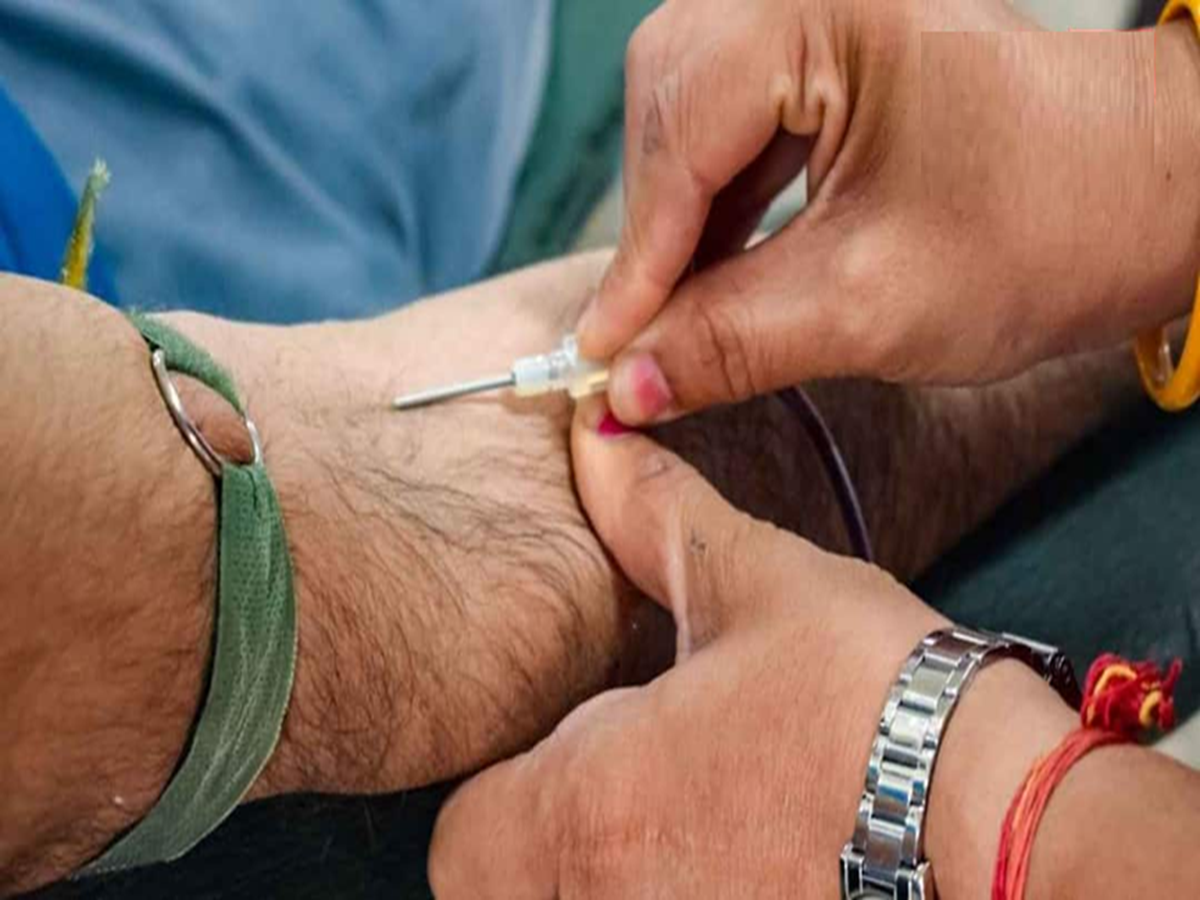
Malaria Test: Many times, people ignore initial symptoms like high fever, chills, or body aches, thinking they're just a common viral fever. This carelessness can lead to a serious illness.
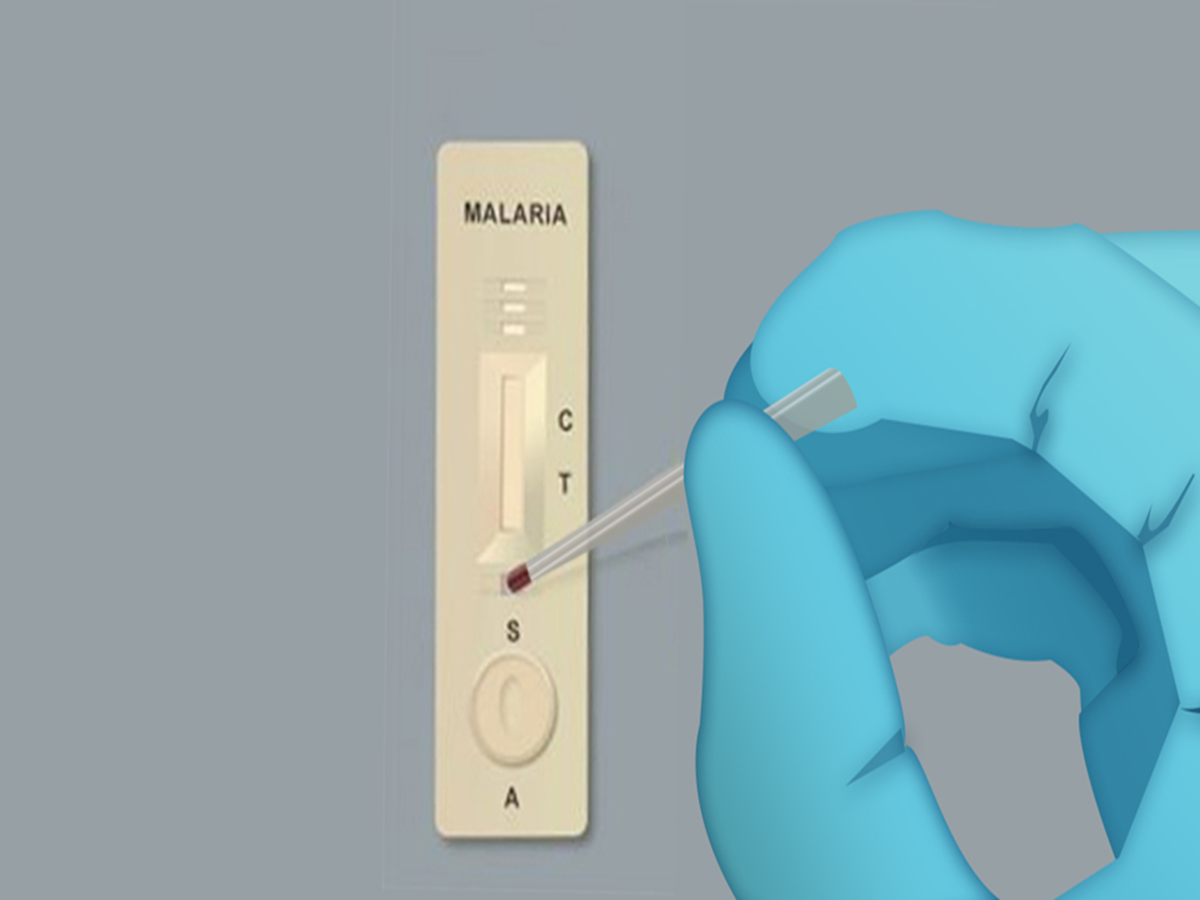
Malaria Test
Malaria Test: With the arrival of the rainy season , the risk of mosquito-borne diseases increases. Malaria is one of the most serious of these diseases. Many times, people ignore initial symptoms like high fever, chills, or body aches, thinking they're a common viral fever. This carelessness can worsen the disease. Therefore, it's crucial to get tested for malaria in a timely manner and begin appropriate treatment. Let's explore when to get a malaria test. Experts advise on the appropriate timing and testing methods.
When should a malaria test be done?
According to experts, the initial symptoms of malaria often mimic those of a common viral fever. This is why many people don't see a doctor in time. Patients typically experience fever, chills, headache, body aches, extreme fatigue, and weakness. Many people mistake these symptoms for a common viral infection, but they could also be malaria. If a person experiences symptoms such as fever, chills, excessive sweating, frequent fevers, extreme fatigue, and muscle aches, they should get tested for malaria. Furthermore, if a person lives in or has recently traveled to an area with a high incidence of malaria, they should not delay getting tested.
What is the right time according to experts?
If fever or other symptoms do not subside within 24 to 48 hours, a doctor should be consulted immediately. If the patient does not experience relief even after taking fever-reducing medication, a medical examination becomes necessary. According to experts, timely lab testing can help initiate treatment early, reducing the risk of serious malaria complications and preventing unnecessary antibiotic or malaria medication use.
Why is timely testing important?
According to experts, malaria, caused by the Plasmodium falciparum parasite, can be quite serious. If its diagnosis and treatment are delayed, patients may experience a number of serious complications, including brain damage, kidney damage, severe anemia, respiratory problems, and multiple organ damage. Early diagnosis allows for early initiation of appropriate treatment, significantly reducing the risk of the disease becoming severe.
What are the methods of investigation according to experts?
Microscopy isn't available everywhere. Therefore, doctors may use other tests, including rapid diagnostic tests (RDTs), which provide results in a shorter timeframe. Quantitative buffy coat (QBC) tests are also used for rapid diagnosis in certain cases. Polymerase chain reaction (PCR) tests are also used when needed for more accurate and sensitive testing.