LIFESTYLE
Lentils Soaking Tips: These lentils must be soaked for 30 minutes; otherwise, they remain raw.
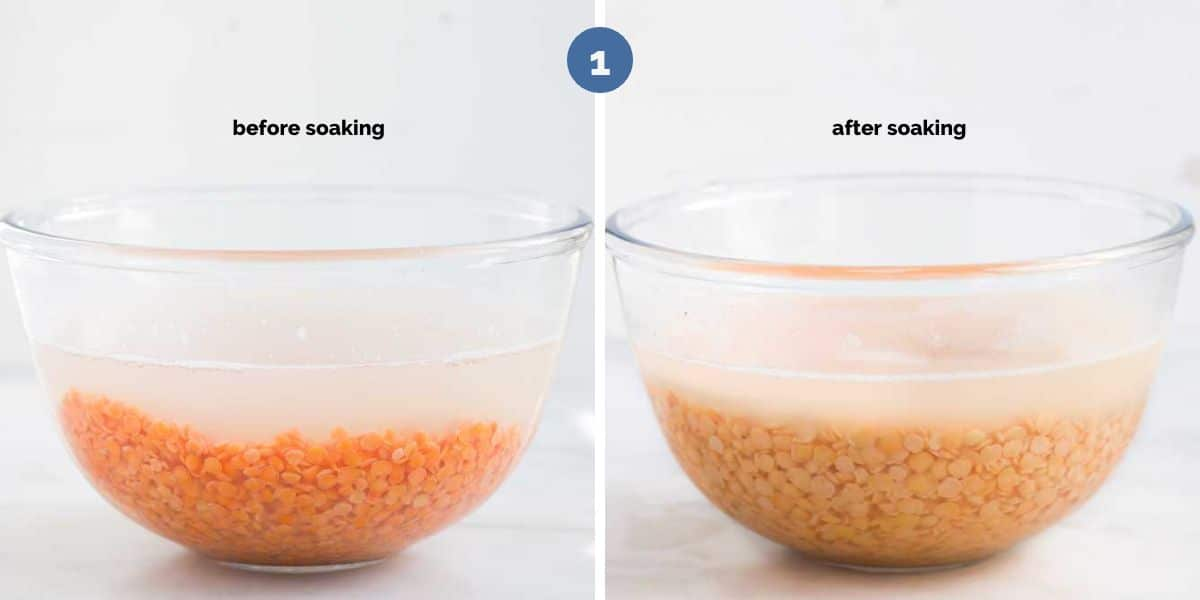
Kitchen Tip: Not every lentil needs to be soaked for hours. The soaking time should be determined based on the type of lentil. 30 minutes to 1 hour may be sufficient.

Benefits of soaking lentils before cooking
Why Soaking Dal Before Cooking Is Important: Dal is an essential part of everyday meals, but sometimes, even after cooking, it doesn't cook properly. Some lentils cook quickly, while others yield better results when soaked first. Especially for whole lentils and some coarse-grained lentils, soaking them in water for a short time instead of cooking them directly is beneficial. This can reduce the cooking time and make them easier to cook.
However, not every lentil requires hours of soaking. The soaking time should be determined based on the type of lentil. For some split lentils, 30 minutes to 1 hour may be sufficient, while whole lentils may require more time.
What is the benefit of soaking for 30 minutes?
Soaking lentils in water allows the grains to absorb water. This softens them, allowing water and heat to penetrate them more easily during cooking. Consequently, the lentils cook faster and more evenly. Split lentils will usually cook evenly if cooked directly without soaking, but soaking them for a short time can make the cooking process easier. Soaking may be especially beneficial if the lentils are older or the grains are a little tougher.
Which pulses can be soaked for 30 minutes?
Washed and split pulses generally don't require long soaking. Some quick-cooking pulses, like mung beans, can easily be cooked without soaking. However, if you pre-soak them, 30 minutes to 1 hour may be sufficient. For masoor dal and other split pulses, soaking for a shorter period, as needed, may be helpful. If the pulses are older or you think they won't cook quickly, soaking them may be beneficial.
Whole pulses require more time.
Whole urad, whole masoor, or other whole pulses are harder than split lentils. Therefore, soaking them for just 30 minutes may not always be sufficient. Whole pulses can be soaked for about 2 hours or more. This allows the grains to absorb water better and makes them easier to cook. Whole beans like kidney beans and chickpeas typically require several hours of soaking. Soaking them overnight or for about 8 to 12 hours is a common method. Therefore, 30 minutes should not be considered sufficient for them.
What is the correct way to soak lentils?
First, sort the lentils thoroughly and remove any pebbles or damaged grains. Then, wash them thoroughly with water. It's best to change the water and wash them gently two or three times. Now, put the lentils in a clean container and fill them with enough water. Keep in mind that lentils can swell as they absorb water, so don't use too little water. For split lentils, soaking for about 30 minutes to an hour may be sufficient, while whole lentils may require more time. After soaking, drain the water and rinse the lentils again with clean water.
Why do we throw away the soaked water?
Lentils and beans contain certain natural compounds that may be linked to digestive problems or gas. Some of these may be released into the water during soaking. This is why many people discard the soaking water and cook the lentils in fresh water. However, this doesn't mean that soaking lentils is a surefire solution for every digestive problem. It's simply a common method of food preparation.
No need to soak for long
It's not necessary to soak lentils in water for longer than necessary. Especially in hot weather, soaking for too long can affect their quality. Therefore, adjust the time based on the weather and type of lentil. If the lentils are going to cook quickly, a short soak may be sufficient. However, whole lentils and legumes like chickpeas require more time.
What if the lentils still don't get cooked?
Sometimes, even after proper soaking, lentils take longer to cook. One reason for this could be that they are old. Older lentils can become harder and take longer to cook. Therefore, when purchasing lentils, avoid buying very old stock and store them tightly sealed in a dry, clean place.