LIFESTYLE
Kitchen Wall Cleaning Tips: Is the wall behind the stove sticky? Shine it up with this one trick.
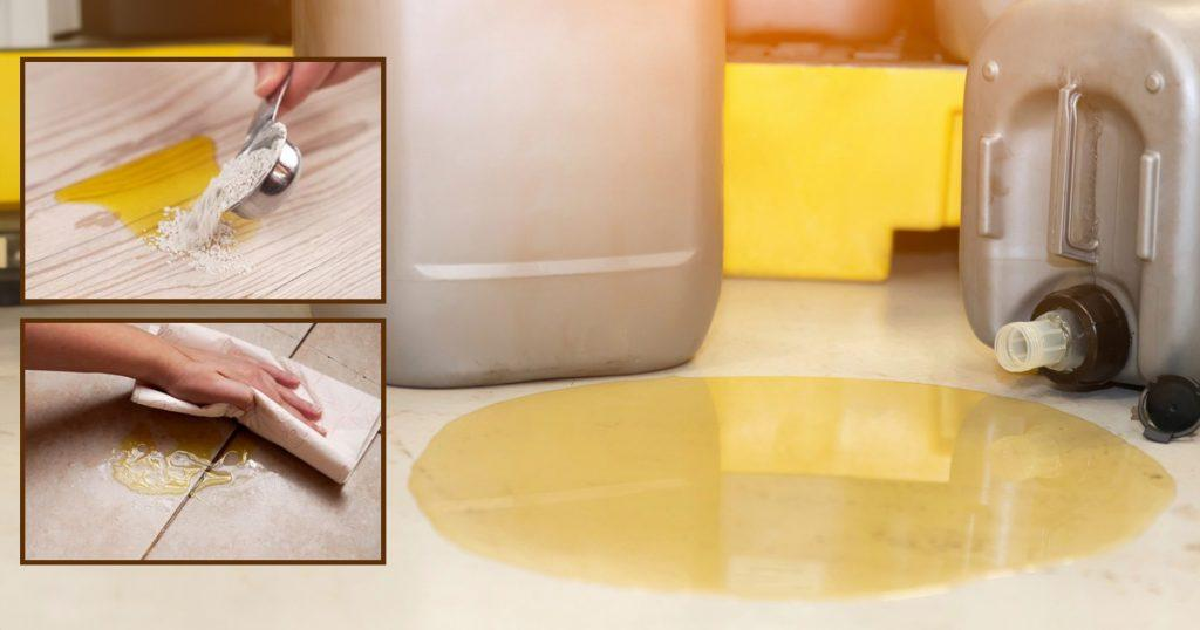
Clean Oil: If you've just spilled oil on a wall while cooking, the easiest way to clean it up is to soak a clean cloth in lukewarm water and wring it out well.
How to remove oil and grease from kitchen walls?
Remove Grease From Walls Behind Gas Stove: If you cook at home every day, it's common for oil and grease to accumulate on the walls around the gas stove. Especially when frying is a frequent activity, small oil splatters from the stove and reach the surrounding walls. Initially, these stains appear very light, but over time, dust and dirt begin to stick to them. This then forms a sticky layer on the wall, which is difficult to clean.
Avoid vigorously scrubbing the wall. Excessive scrubbing can damage the color, especially on walls with light or matte paint. Always start gently to remove grease and check the type of paint or finish on the wall.
If there are fresh oil stains, start with warm water.
If you've just spilled oil on a wall while cooking, the easiest way to clean it is to do so immediately. Soak a clean cloth in lukewarm water and wring it out thoroughly. Then, gently wipe the oil off the wall. It may be difficult to completely remove old grease with just water, but wiping fresh oil immediately will prevent it from setting and forming a thick layer on the wall. If you make it a habit to gently wipe the wall behind the stove once every day after cooking, you'll save yourself the effort later.
Dish soap will clean the grease.
If the grease on the wall is a little old, dish soap can be helpful. Dish soap is commonly used to remove oil and grease, so it's a handy option for even light wall grease. Pour a few drops of dish soap into a bowl of warm water. Dip a microfiber cloth in the water and wring it out well. The cloth should not be too damp. Then, gently wipe the wall.
There's no need to rub vigorously to remove the grease. Move the cloth slowly and let the soap work into the grease for a few moments. Then, wipe the wall again with a clean, slightly damp cloth to remove any remaining soap residue.
Pay special attention to matte painted walls.
If the wall behind the stove is painted matte or flat, avoid excessive scrubbing. Applying too much pressure to this type of paint can fade the color or leave shiny marks. Use very little water on such a wall and try this method first in an inconspicuous area. If the wall is covered with wallpaper, check to see if it is washable. Excessive water can be harmful to the wallpaper.
Degreaser for very old grease
If dish soap doesn't remove the grease, a kitchen degreaser can be used. However, instead of spraying the degreaser directly on the wall, apply it to a microfiber cloth first. Then, use the cloth to wipe the greasy area. Let the degreaser work for a while, then gently wipe it from top to bottom. After cleaning, be sure to wipe the wall with a clean, slightly damp cloth. This will prevent any remaining cleaner from remaining on the wall. Any remaining cleaner can further encourage dust and grease to adhere.
Remove stubborn stains with baking soda.
If the grease is very old and stubborn, baking soda can also be used. Mix baking soda with a little water to form a thick paste. Apply it to the grease stain and leave it for about 10 minutes. Then, gently wipe it away with a soft cloth. Avoid rubbing too hard. After cleaning, remove any remaining baking soda with a clean, damp cloth.
Caution is necessary when using vinegar.
White vinegar can also be used to remove grease on some surfaces. However, be sure to perform a patch test on an inconspicuous area of the wall before using it. Be especially careful when using vinegar on matte paint or delicately finished walls. Diluted white vinegar can be used on tile or glossy, well-sealed surfaces. It's important to wipe the surface with clean water after cleaning.
How to prevent the wall from becoming greasy again?
The easiest way to prevent grease from accumulating on the wall behind the stove is to clean up any oil spills immediately. After cooking, take a few minutes to wipe down the walls around the stove with a lightly damp cloth. Most importantly, avoid using harsh chemicals or harsh abrasives to remove grease. Try gentle methods like warm water and dish soap first. If this doesn't remove the stain, use a degreaser or baking soda as needed. This can help remove grease without damaging the wall's finish.