LIFESTYLE
Kitchen Hacks for Winter: 7 Simple and Effective Ways to Keep Your Kitchen Warm During Freezing Cold
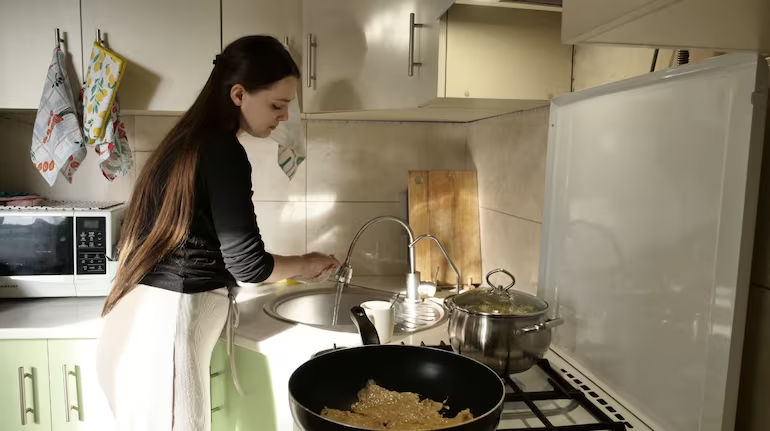
As winter tightens its grip, cold winds, fog, and dropping temperatures don’t just affect life outdoors—they also make their way inside our homes. The kitchen, in particular, becomes one of the coldest spaces, turning daily tasks like cooking, preparing lunch boxes, or washing utensils into an uncomfortable challenge. Standing on a cold floor for long hours can feel exhausting, and running heaters or blowers continuously can significantly increase electricity bills.
The good news is that you don’t need expensive appliances to make your kitchen warm and comfortable during winter. With a few smart, budget-friendly adjustments, you can retain warmth, block cold air, and create a cozy cooking space. Here are seven easy and effective kitchen hacks that can help you beat the biting cold this winter.
1. Keep Doors and Windows Properly Closed
One of the most common reasons kitchens feel freezing is uncontrolled air flow. In high-rise buildings especially, cold winds can easily enter through windows and doors. While it’s a good idea to open windows during sunny daytime hours to let in natural warmth, they should be closed once temperatures drop.
When cooking, keep doors and windows shut to trap heat inside. At the same time, turn on the exhaust fan to allow smoke and odors to escape without letting in cold air. This simple balance helps maintain warmth while keeping the kitchen ventilated.
2. Seal Small Gaps and Wall Openings
Many homes have small holes or gaps near the top of kitchen walls that allow cold air to seep in. These openings can also invite insects during certain seasons. Blocking these gaps can make a noticeable difference in indoor temperature.
You can easily cover them using rolled newspapers, old cloth pieces, cardboard, or plastic sheets. This quick fix prevents cold drafts and helps retain heat inside the kitchen.
3. Close Gaps Around Sliding Windows and Frames
Sliding windows and doors often have small gaps along the edges that continuously let in cold air. Even a narrow opening can reduce the room temperature significantly.
Use adhesive tape, foam strips, or rubber seals to close these gaps. This low-cost solution is highly effective in preventing cold air leakage and maintaining a warmer kitchen environment.
4. Use Thick, Dark-Colored Curtains
Curtains play a crucial role in insulation during winter. Thin fabrics allow cold air to pass through, making the room feel chilly. Switching to thick, heavy curtains—especially in darker shades—can help block cold air and retain warmth.
Installing such curtains in the kitchen and nearby areas reduces heat loss and creates a more comfortable atmosphere for cooking and household work.
5. Lay Carpets or Floor Mats
Cold floors are one of the biggest discomforts during winter, especially in kitchens where people stand for long periods. Stone or tile floors tend to remain icy cold throughout the day.
Placing carpets, rugs, or thick mats on the floor helps insulate your feet from the cold surface. Keeping a mat near the cooking area or sink makes standing and working far more comfortable.
6. Choose Warm Lighting Wisely
Lighting can subtly influence how warm a space feels. Cool white lights may make the kitchen feel colder, while warm-toned bulbs add a cozy effect.
Opt for warm lighting in your kitchen during winter. While these lights don’t significantly raise the temperature, they enhance comfort and create a welcoming environment that psychologically feels warmer.
7. Use Heaters Smartly, Not Continuously
Instead of keeping a heater or blower on all day, use it strategically. Turn it on about 20–30 minutes before cooking so the kitchen warms up in advance. Once the space feels comfortable, switch it off and rely on trapped heat.
This method reduces electricity consumption while ensuring that the kitchen stays warm when you need it the most.
Final Thoughts
Surviving winter in the kitchen doesn’t have to mean discomfort or high power bills. Simple steps like sealing gaps, using thick curtains, placing floor mats, and managing airflow can significantly improve warmth. Smart use of heaters and warm lighting further enhances comfort without unnecessary expenses.
With these easy kitchen hacks, you can transform your cold kitchen into a cozy and functional space—even during bone-chilling winter days. A few thoughtful changes can make daily cooking and household tasks far more pleasant throughout the season.