LIFESTYLE
Kidney Stone Prevention: Everyday Habits That May Help Lower Your Risk of Developing Stones
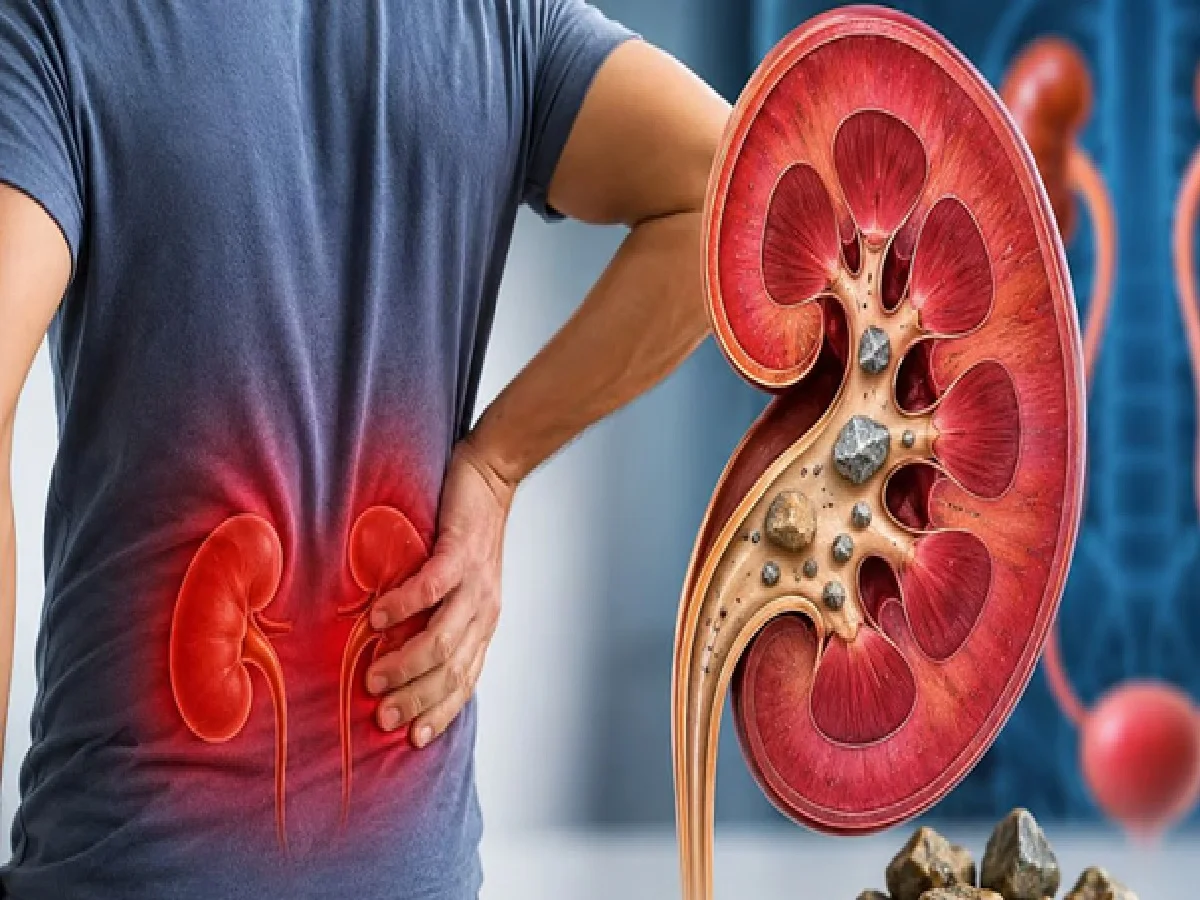
Kidney stones are hard mineral deposits that form inside the kidneys and can cause severe pain when they move through the urinary tract. Although they can develop at any time of the year, the risk often increases during hot weather when excessive sweating and inadequate fluid intake can lead to dehydration.
When the body loses more water than it takes in, urine becomes more concentrated. This increases the likelihood that minerals and salts in the urine may crystallize and eventually form stones. Fortunately, adopting healthy lifestyle habits and making dietary adjustments can help reduce the risk for many people.
Here's what you should know about kidney stones and practical steps that may help prevent them.
What Causes Kidney Stones?
Kidney stones form when minerals and other substances in urine become highly concentrated and stick together to form crystals. Over time, these crystals can grow into stones of varying sizes.
While dehydration is one of the most common risk factors, several other conditions and lifestyle habits can also increase the likelihood of developing kidney stones.
Common risk factors include:
- Not drinking enough water.
- Diets high in salt.
- Excessive consumption of animal protein, particularly red meat.
- Recurrent urinary tract infections.
- A family history of kidney stones.
- Obesity or certain metabolic disorders.
- Previous episodes of kidney stones.
- Taking calcium or vitamin C supplements without medical advice in some individuals.
The exact cause and type of stone vary from person to person, so medical evaluation is important for recurrent cases.
Stay Well Hydrated Throughout the Day
Drinking enough fluids is considered one of the most effective ways to reduce the risk of kidney stones.
Rather than consuming large amounts of water all at once, experts recommend drinking fluids consistently throughout the day.
Some practical hydration habits include:
- Drinking water after waking up.
- Carrying a water bottle while traveling or working.
- Increasing fluid intake during hot weather or after exercise.
- Drinking enough so that urine remains pale yellow in color, unless otherwise advised by a healthcare professional.
People with heart disease, kidney disease, or other medical conditions should follow their doctor's advice regarding fluid intake.
Reduce Excess Salt Consumption
A diet high in sodium may increase calcium levels in the urine, which can contribute to certain types of kidney stones.
To reduce sodium intake, consider limiting:
- Packaged snacks.
- Chips.
- Pickles.
- Processed foods.
- Fast food.
- Highly salted restaurant meals.
Preparing meals at home and reading nutrition labels can help control daily salt intake.
Don't Eliminate Calcium Without Medical Advice
Many people mistakenly stop consuming milk and dairy products after being diagnosed with kidney stones.
However, experts generally recommend maintaining adequate dietary calcium unless a healthcare provider advises otherwise.
Getting too little calcium from food may actually increase the absorption of oxalate in the intestines, which can raise the risk of certain calcium oxalate stones.
Instead of avoiding calcium-rich foods, speak with your doctor or dietitian about the appropriate amount for your individual needs.
Include Citrus Fruits in Your Diet
Citrus fruits such as lemons and oranges contain citrate, a natural substance that may help reduce the formation of certain kidney stones.
Adding lemon to water or including citrus fruits as part of a balanced diet may be beneficial for some individuals.
However, citrus intake alone cannot prevent all types of kidney stones, and overall dietary habits remain important.
Limit Excessive Red Meat Intake
Eating large amounts of red meat or organ meats may increase uric acid levels in some people, potentially raising the risk of uric acid stones.
A balanced diet that includes:
- Plant-based proteins.
- Whole grains.
- Fruits.
- Vegetables.
- Moderate portions of lean protein.
may support overall kidney health while reducing stone risk.
Additional Tips to Support Kidney Health
Along with proper hydration and a healthy diet, these habits may also help:
- Maintain a healthy body weight.
- Exercise regularly.
- Avoid excessive consumption of sugary soft drinks.
- Follow your doctor's advice if you have previously had kidney stones.
- Undergo medical evaluation if stones recur frequently.
People with recurrent kidney stones may benefit from laboratory testing to identify the specific type of stone and receive personalized dietary recommendations.
Know When to See a Doctor
Seek prompt medical attention if you experience:
- Severe pain in the back or side.
- Blood in the urine.
- Fever or chills with urinary symptoms.
- Persistent nausea or vomiting.
- Difficulty passing urine.
These symptoms may indicate a kidney stone or another condition requiring immediate medical care.
Final Thoughts
Kidney stones can be extremely painful, but many cases may be preventable through healthy daily habits. Staying well hydrated, reducing excess salt, maintaining a balanced diet, consuming adequate dietary calcium, and limiting excessive red meat intake can all contribute to lowering the risk of stone formation.
If you have a history of kidney stones or develop symptoms suggestive of one, consult a qualified healthcare professional for appropriate evaluation, diagnosis, and individualized treatment.