NEWS
Iran Protests: Which religion ruled Iran before Islam? What is the condition of these people now?
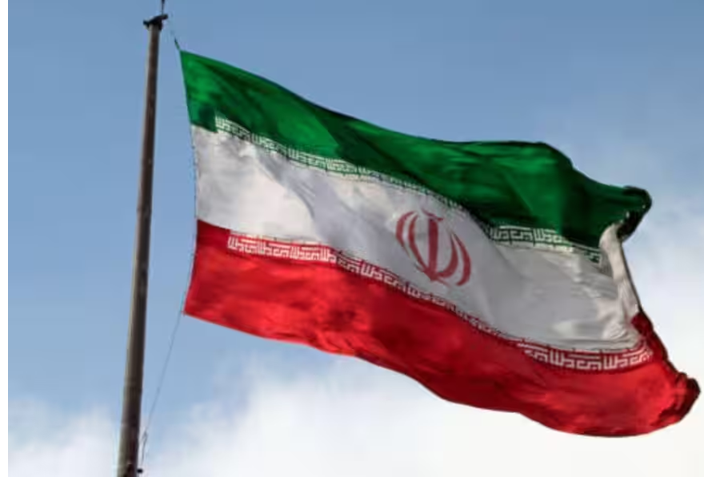
Iran Protests: A major protest is currently underway in Iran. Meanwhile, let's explore the religion that ruled there before Islam and the current state of these people.

Iran Protests: In early 2026, violent protests spread across more than 50 Iranian cities, fueling public anger over economic collapse, inflation, and unemployment. Internet services have been shut down in many areas, and clashes between protesters and security forces have escalated. Amid this unrest, let's examine the religions that ruled Iran before Islam and how they are faring now.
Iran's original state religion
Zoroastrianism was the official religion of Iran for over 1000 years before the arrival of Islam in the seventh century. It is one of the oldest monotheistic religions in the world. Founded by the prophet Zoroaster, Zoroastrianism was the official religion during the Achaemenid Empire, the Parthian Empire, and later the Sassanian Empire. It ruled Iran until the Arab conquest.
Religiously diverse ancient Iran
Although Zoroastrianism dominated state affairs, ancient Iran was not religiously homogeneous. Manichaeism, Mazdakism, and indigenous belief systems also existed. Jewish, Christian, and Buddhist communities also existed in various places.
Decline after the Arab conquest
Following the Arab conquest of Iran in the seventh century, Islam gradually became a major religion. Over the centuries, most Zoroastrians converted, emigrated, or were socially marginalized. A significant and large group migrated to India to escape persecution. Their descendants are known today as Parsis.
The situation of Zoroastrians in Iran today
Zoroastrians are officially recognized as a protected religious minority under the Iranian constitution until 2026. However, their numbers are quite small. Current estimates place the Zoroastrian population in Iran at between 15,000 and 25,000 individuals. Official censuses in 2011 and 2016 put the number at approximately 23,000 and 25,000.
Parsis are fully permitted to practice their religion openly and maintain their religious institutions. A seat is permanently reserved for them in the Iranian parliament, giving them a chance to participate in formal political representation. However, legal restrictions remain. They are strictly prohibited from converting to other religions, cannot build fire temples, and are barred from holding high-ranking government or military positions, such as the presidency.