Iran, in collaboration with Oman, is planning to build a new shipping corridor near the Strait of Hormuz. Under the new rules, this entire area will be designated a "restricted zone." This will also impact India.
Fear of new crisis in the Strait of Hormuz
Crude oil prices are already hovering around $100 per barrel. Meanwhile, Iran has announced a new "restricted zone" in the Strait of Hormuz.
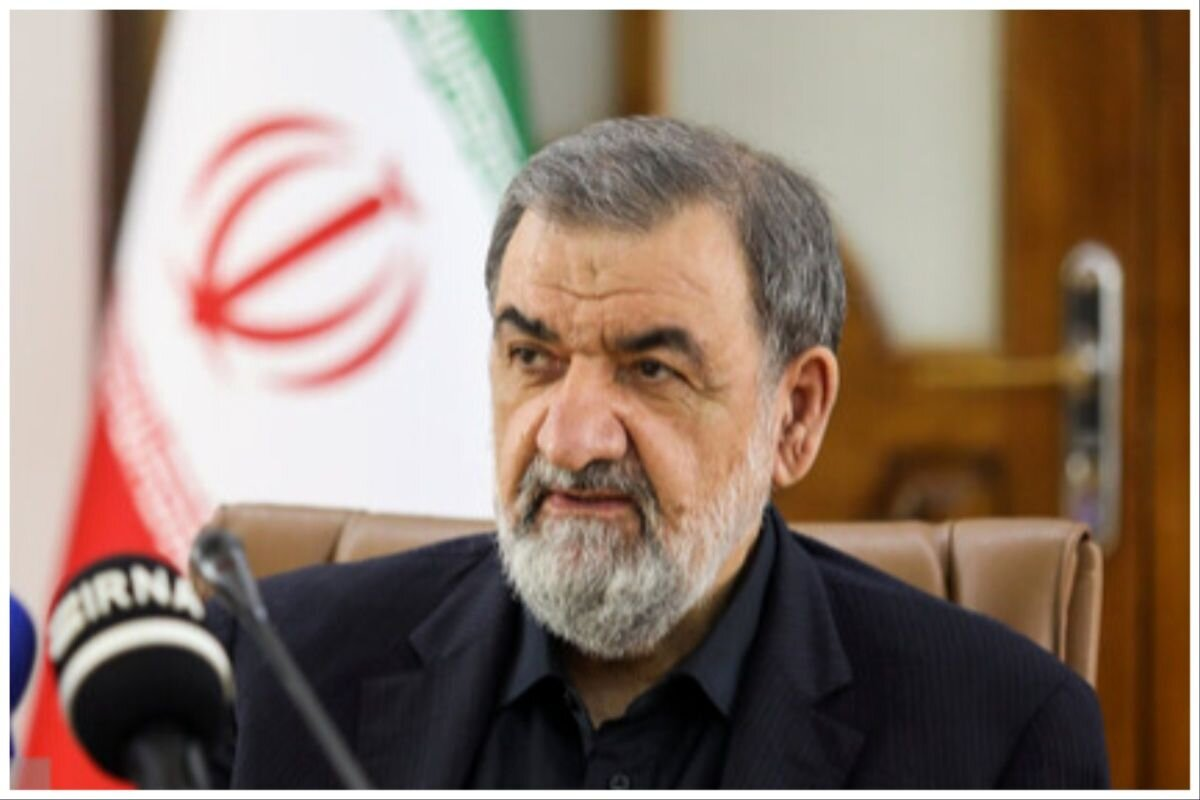
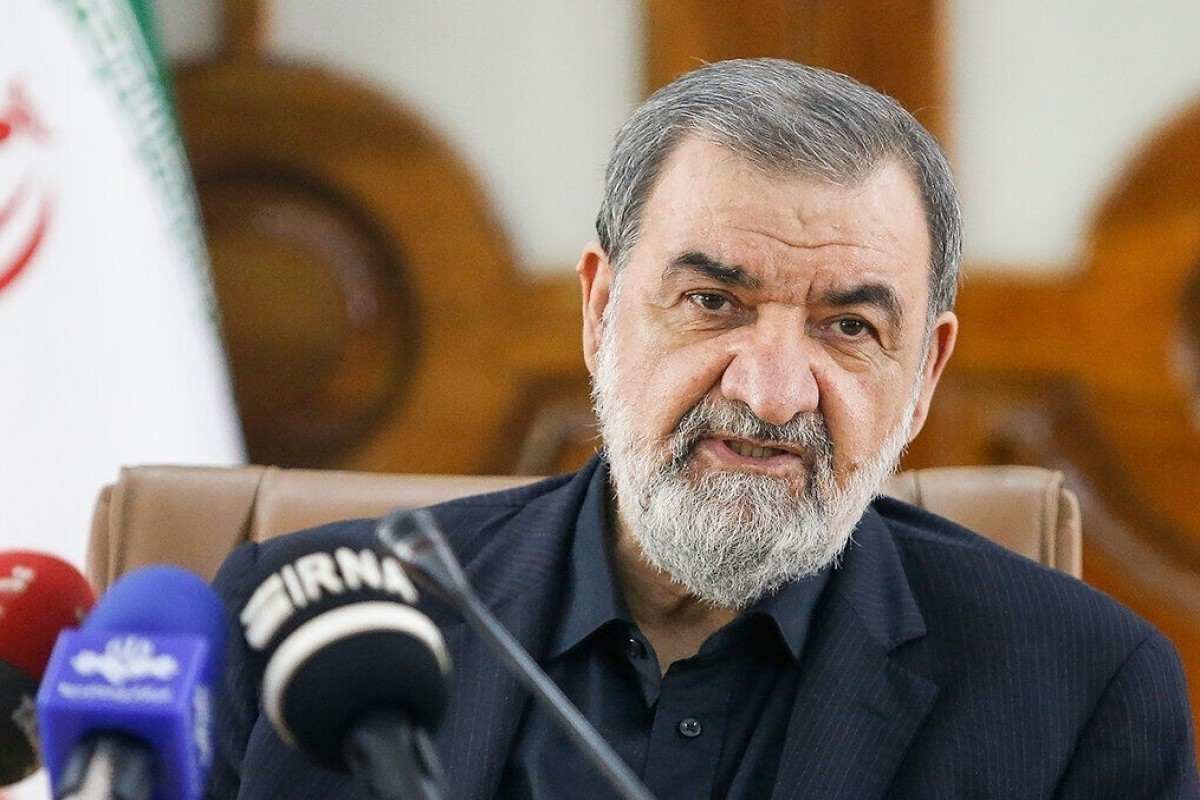
Mohsen Rezaei, secretary of Iran's Supreme National Security Council, said on Sunday that the restricted zone will begin at the US naval blockade and extend through the Strait of Hormuz to the Persian Gulf. The announcement comes after a series of attacks between the US and Iran in the region. Iran is working with Oman on this zone and has jointly outlined a "new shipping route."
What is Iran's new plan?
Iran says that ships transiting this area will now have to coordinate with Iran. Ships that operate without permission or outside their designated routes will be banned.
Within this restricted zone, Iran is developing a system to control the movement of ships, which is being compared to the transit visas available at international airports. This means that ships cannot even stop there without authorization. Iran is preparing to manage this entire route and charge a service fee or toll tax from ships passing through it, with Oman as its partner.
What was the deal between the two?
Iran and Oman agreed on a temporary sea route in late August, with Iranian officials stating that they would only discuss the future of the waterway directly with Oman, indicating that Iran does not want to tolerate interference from any third country (such as the US or European countries).
Now, with the recent landmark trade agreement (CEPA) between India and Oman, this direct engagement between Iran and Oman could be a welcome relief for India. India can easily ensure safe passage for its ships through this new corridor via Oman.
What will be the impact on India?
India imports approximately 90% of its crude oil needs, a significant portion of which comes from Gulf countries via the Strait of Hormuz. Along with crude oil, LNG, LPG, and other petrochemicals are also imported via this route. If Iran were to levy expensive tolls on ships transiting this route, it could become a significant burden for India.
However, it's important to note that Iran has always considered India a friendly country and has never imposed any taxes, duties, or restrictions on any Indian ships transiting this route. During a briefing in April, Ambassador Mohammad Fathali told reporters, "You can ask the Indian government if we have charged any fees so far. Our relations are good during this difficult time. We believe that Iran and India have common interests and a common future."
Is India in the 'safe zone'?
Another silver lining for India is that it operates Iran's Chabahar port, which is crucial to Iran's own economy. Iran is co-managing this new corridor and restricted zone with Oman, and India recently signed a landmark Free Trade Agreement (CEPA) with Oman, under which Oman has completely waived taxes on 99% of goods exported from India.
Assuming Iran, like last time, exempts Indian ships from this new "toll tax" or strict restrictions, freight costs for Indian ships will not increase as much as they would for other countries. However, India will undoubtedly suffer the economic consequences of the surge in global crude oil prices.